Counting the waves…
Counting the waves…
A refined fusion of water purity, environmental stability, and communal vibrancy for Playa de La Griega.
View MethodologyAnalyzed via live sensors and environmental data.
Wave height, wind, and atmospheric stability.
Live footfall and crowd balance metrics.
Community reviews and curated sentiment.
“Nestled near the charming towns of Lastres and Colunga, Playa de La Griega offers more than just a stretch of sand. Here, ancient history meets modern relaxation, inviting you to explore prehistoric traces before a…”
Higher weekend density may affect water purity and crowd scores temporarily.
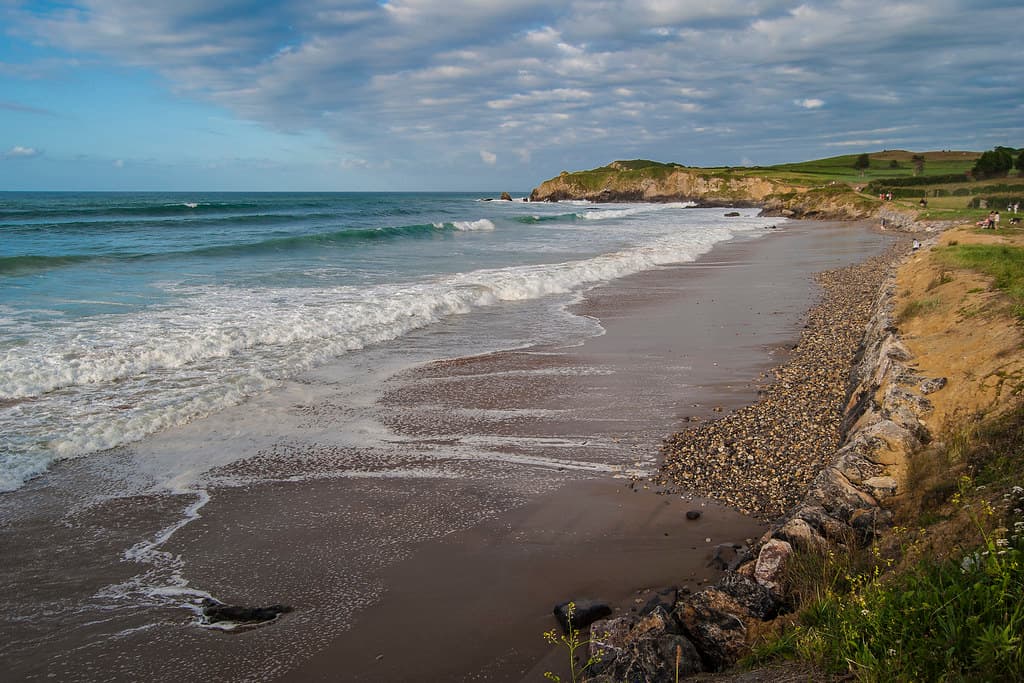
Playa de La Griega beckons with its unique blend of geological wonder and coastal charm. At low tide, the exposed rock platforms reveal well-preserved dinosaur footprints, a tangible link to the Jurassic period that captivates both young and old. Imagine standing where sauropods once roamed, the salty air a stark contrast to the ancient past.
The beach itself is a generous crescent of fine, golden sand, framed by verdant cliffs that tumble towards the Atlantic. The waters, while bracing, offer a refreshing respite from the summer sun, and the gentle slope into the sea makes it a welcoming spot for families. You'll find ample space to spread your towel, build sandcastles, or simply gaze out at the horizon.
Explore ancient tracks at low tide
Refresh in cool Cantabrian waters
Unwind on golden sands
Prime Visitation
Best Weather
Where it is
Playa de La Griega
Colunga, Asturias, Spain
43.506900°, -5.274200°
Weather
Loading…
Swell
—
Temp
Warm · Restorative
UV Index
Moderate
Wind
—
Tidal State
Last known
Max Sunlight
—
Ideal Shade
—
May - Sep (Peak)
Jan - Dec (Off-season)
Historical data suggests peak visibility and stable sea temperatures occur during the prime visitation window.
Select a category to load nearby places.
Unlock restaurants, luxury stays and curated maritime experiences within 2km
Playa de La Griega is generally considered safe for swimming, making it a good choice for families. The sandy type of the beach typically means a gentler entry into the water. However, as with any Atlantic coast beach, conditions can vary. It's always advisable to observe any posted flags or warnings regarding currents or tides. During peak season, lifeguards are often on duty, adding an extra layer of safety for swimmers of all ages.
The best time to visit Playa de La Griega is during the warmer months, typically from late spring through early autumn (June to September). This period offers the most favorable weather for enjoying the beach, swimming, and exploring the nearby attractions. While it can be visited year-round, the 'Best Weather' period ensures a more pleasant experience for beach activities. Expect more crowds during the peak summer months, especially on weekends.
Playa de La Griega is conveniently located near the towns of Lastres and Colunga in Asturias. Access is generally straightforward by car, with signage guiding visitors from the main roads. As an accessible beach, it typically offers parking facilities nearby, though these can fill up quickly during peak season. Public transport options might be limited, so driving is often the most practical way to reach the beach and explore the surrounding area.
Yes, being an accessible beach near the towns of Lastres and Colunga, Playa de La Griega benefits from nearby amenities. You can find various food options, from casual beachside kiosks to restaurants in the nearby towns offering local Asturian cuisine. For lodging, there are hotels, guesthouses, and rural accommodations available in Colunga, Lastres, and the surrounding areas, catering to different budgets and preferences for an extended stay.
Playa de La Griega is uniquely known for its proximity to dinosaur footprints, making it a fascinating spot for those interested in paleontology and a fun educational experience for families. These ancient tracks are often accessible at low tide, providing a distinctive natural attraction. Beyond this, the beach offers scenic views and a pleasant sandy environment, combining natural beauty with a touch of prehistoric wonder not commonly found elsewhere.