
Counting the waves…
Counting the waves…
A refined fusion of water purity, environmental stability, and communal vibrancy for Playa de Frejulfe.
View MethodologyAnalyzed via live sensors and environmental data.
Wave height, wind, and atmospheric stability.
Live footfall and crowd balance metrics.
Community reviews and curated sentiment.
“Playa de Frejulfe, near Navia, is a testament to Asturias's untamed coastline. This expansive sandy beach is cradled by a delicate ecosystem of dunes and a river mouth, creating a landscape of raw, natural appeal. It's…”
Limited recent visitor reports — live OBI telemetry is your best guide for current conditions.
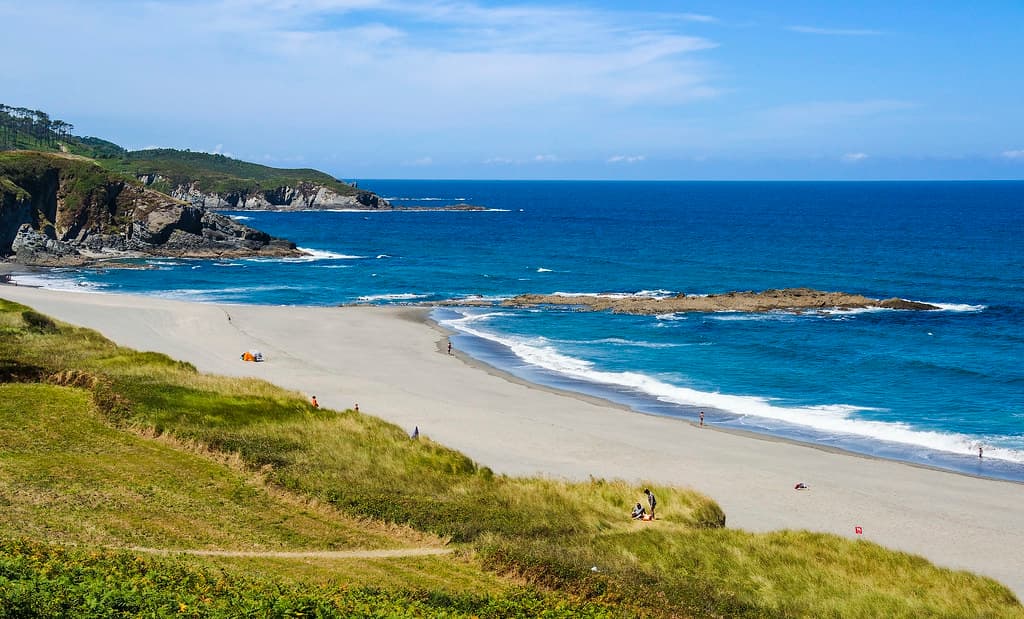
Step onto Playa de Frejulfe and immediately feel the embrace of a truly wild Asturian landscape. This isn't just a beach; it's a protected natural monument, a sprawling canvas of golden sand, shifting dunes, and the gentle meander of the Frejulfe River as it meets the Cantabrian Sea. The air here is crisp with salt and the scent of coastal vegetation, a refreshing balm for the senses.
The beach's unique character is defined by its pristine environment. The dunes, a fragile ecosystem, provide a natural barrier and a home for diverse flora and fauna, making it a fascinating spot for nature observation. The river mouth creates calm, shallow areas perfect for younger swimmers, while the open ocean beckons surfers with its consistent, powerful waves.
Consistent Atlantic swells
Protected natural habitat
Find ocean treasures
Prime Visitation
Best Weather
Where it is
Playa de Frejulfe
Navia, Asturias, Spain
43.555300°, -6.692800°
Weather
Loading…
Swell
—
Temp
Warm · Restorative
UV Index
Moderate
Wind
—
Tidal State
Last known
Max Sunlight
—
Ideal Shade
—
May - Sep (Peak)
Jan - Dec (Off-season)
Historical data suggests peak visibility and stable sea temperatures occur during the prime visitation window.
Select a category to load nearby places.
Unlock restaurants, luxury stays and curated maritime experiences within 2km
Playa de Frejulfe is generally suitable for swimming, but like many Atlantic beaches, it can experience strong currents and waves, especially on windy days. Families should exercise caution and always supervise children closely. During the peak summer season, lifeguard services are typically available, which adds to safety. The beach's natural setting means fewer immediate facilities, so it's wise to be prepared. Always observe any warning flags or local advisories.
The ideal time to visit Playa de Frejulfe for pleasant weather is during the summer months, from June to September, when temperatures are mild and sunny days are more frequent. This period is perfect for enjoying the beach and its scenic surroundings. To experience its natural beauty with fewer crowds, consider visiting in late spring (May-June) or early autumn (September-October). The vibrant green landscape combined with the sandy beach is particularly striking then.
Playa de Frejulfe is accessible by car, typically via well-marked routes from Navia. There is usually a designated parking area near the beach, though it can fill up quickly during peak season. From the parking, a short walk, often through a natural path or boardwalk, leads to the sand. While generally accessible, visitors with mobility challenges might find the natural terrain and walk to the beach a bit demanding. Public transport to the immediate vicinity is limited.
Playa de Frejulfe is a protected natural beach, so direct food and lodging facilities on the sand are minimal to non-existent. Visitors should plan to bring their own refreshments. For dining and accommodation, the nearby town of Navia offers a good selection of restaurants, bars, and various lodging options, including hotels and guesthouses. It's a short drive from the beach, making it convenient for pre- or post-beach amenities.
Playa de Frejulfe is designated as a protected natural beach primarily due to its significant dune system and rich ecological value. This protection helps preserve its pristine condition and biodiversity. Unique features include its extensive golden sands, the surrounding lush greenery, and the impressive natural landscape that creates a sense of seclusion and tranquility. The dunes are a fragile ecosystem, so visitors are encouraged to stay on marked paths to help conserve them.