Counting the waves…
Counting the waves…
A refined fusion of water purity, environmental stability, and communal vibrancy for Playa del Cochino.
View MethodologyAnalyzed via live sensors and environmental data.
Wave height, wind, and atmospheric stability.
Live footfall and crowd balance metrics.
Community reviews and curated sentiment.
“Playa del Cochino is a rugged, untamed stretch of Lanzarote's west coast, where the island's volcanic heart meets the powerful Atlantic. This beach is a haven for those seeking raw natural beauty, dramatic landscapes,…”
Limited recent visitor reports — live OBI telemetry is your best guide for current conditions.
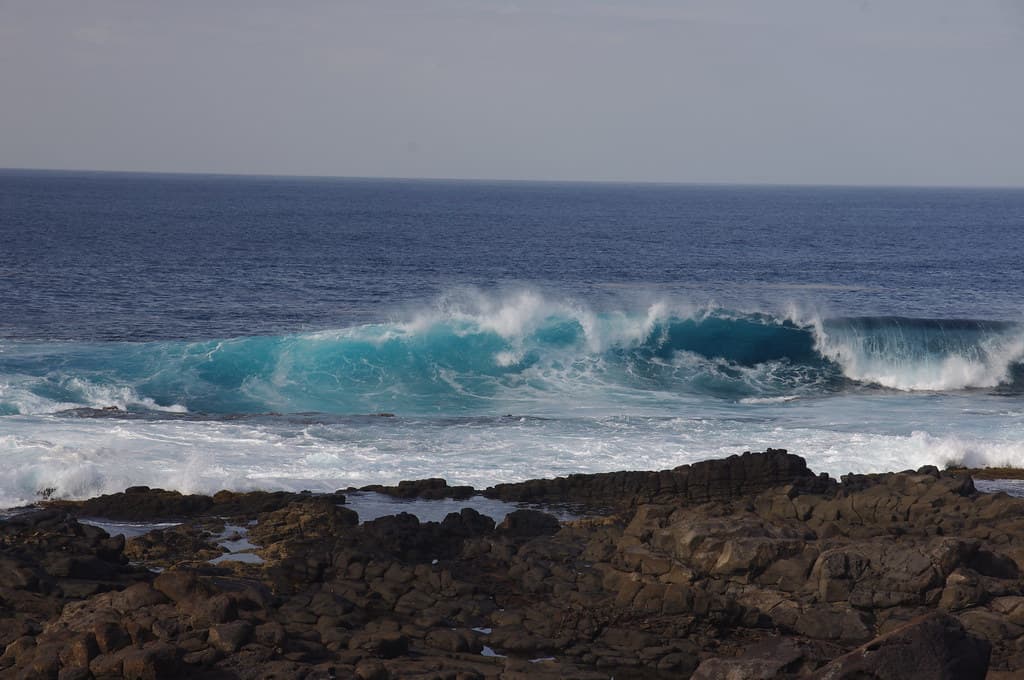
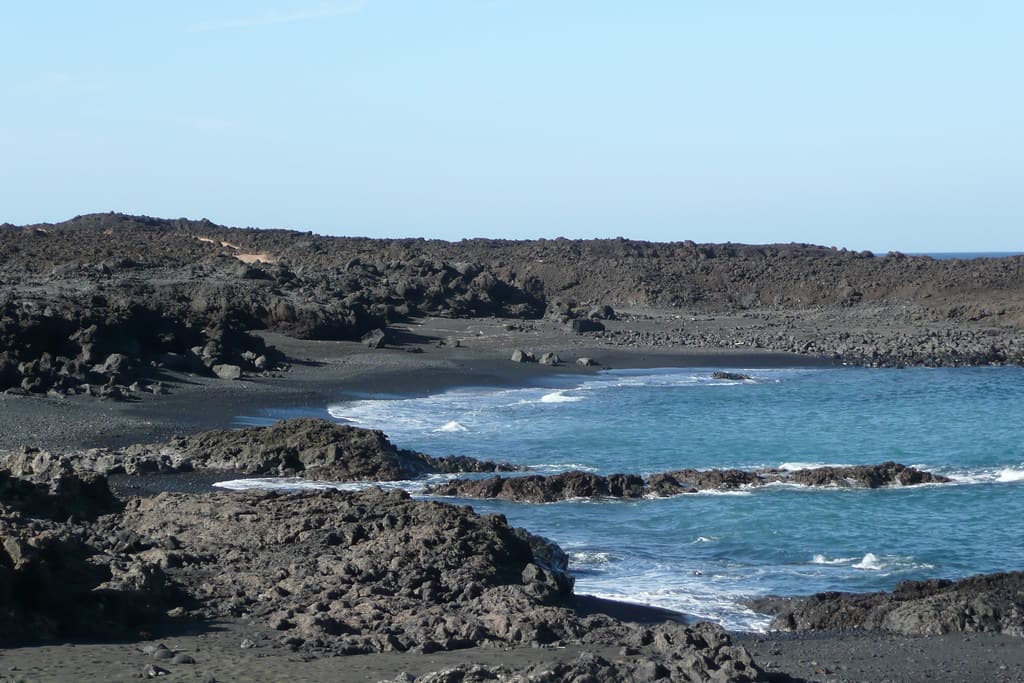
Tucked away on Lanzarote's wild western edge, near the surf-centric village of La Santa, Playa del Cochino is a testament to the island's untamed spirit. This isn't a beach for gentle dips; it's a powerful, rocky expanse where the Atlantic Ocean asserts its dominance, carving intricate shapes into the ancient volcanic rock. The black, rugged shoreline is a dramatic canvas against the frothing white of the waves.
The air here is invigorating, charged with sea spray and the raw energy of the ocean. While primarily a rocky beach, its wild character and exposure to the Atlantic swell make it a compelling spot for experienced surfers seeking challenging, uncrowded waves. Even if you're not riding the breaks, the sheer spectacle of the ocean's power is captivating.
 Credit: Unsplash
a beach with blue water and green land
 Credit: Unsplash
a beach with palm trees
Conquer powerful waves
Capture wild landscapes
Wander rugged pathways
Prime Visitation
Less Crowds
Where it is
Playa del Cochino
Tinajo, Canary Islands, Spain
29.110000°, -13.683300°
Weather
Loading…
Swell
—
Temp
Warm · Restorative
UV Index
Moderate
Wind
—
Tidal State
Last known
Max Sunlight
—
Ideal Shade
—
May - Sep (Peak)
Jan - Dec (Off-season)
Historical data suggests peak visibility and stable sea temperatures occur during the prime visitation window.
Select a category to load nearby places.
Unlock restaurants, luxury stays and curated maritime experiences within 2km
Playa del Cochino is a wild, rocky beach on Lanzarote's west coast, primarily known for its scenic beauty and surf potential rather than swimming. The rocky nature of the shoreline and exposure to strong Atlantic swells mean that swimming can be challenging and potentially hazardous. There are no lifeguards or facilities. It's generally recommended for experienced surfers or those who prefer to enjoy the dramatic coastal views from the shore, exercising extreme caution if entering the water.
As a 'hidden' and wild west-coast beach, Playa del Cochino is inherently less crowded than more accessible tourist spots. To ensure maximum tranquility, visiting during the off-peak seasons (spring or autumn) or on weekdays is advisable. Mornings typically offer the calmest atmosphere. Its remote nature means you're likely to find a peaceful experience regardless, but avoiding major public holidays will further enhance solitude.
Playa del Cochino is located near La Santa in Tinajo, on Lanzarote's west coast. Access usually involves driving along local roads, followed by a potential walk over uneven terrain, as it is a wild and undeveloped area. Specific routes can vary, so consulting a detailed local map or GPS is recommended. Parking is typically informal, often along dirt tracks or designated clearings near the access points to the beach. Be prepared for a rugged approach.
Playa del Cochino is a natural, undeveloped beach, and as such, there are no food or lodging facilities directly on site. Visitors should plan to bring all necessary provisions, including water and snacks. For dining and accommodation, the nearest options would be in the nearby town of La Santa, which offers various restaurants, cafes, and different types of lodging. It's essential to be self-sufficient when visiting this remote location.
Playa del Cochino's uniqueness lies in its 'wild west-coast volcanic' character. It offers a dramatic, untamed landscape with rocky formations, showcasing Lanzarote's raw geological beauty. It's a prime spot for scenic appreciation, photography, and experiencing the powerful Atlantic surf, making it a draw for surfers seeking less crowded breaks. Its remote and undeveloped nature provides a stark contrast to the island's more commercialized beaches, offering a true sense of discovery.
Photos