

Pak Nakhon Beach is where the city exhales. Drive fifteen kilometers from Nakhon Si Thammarat's temple-filled center and you'll reach this strip of sand and pine, a recreational shore that serves locals far more than it courts outsiders. The beach is broad and flat, the sand a medium beige that darkens near the waterline. Casuarina trees provide dappled shade, their needles carpeting the ground, and concrete picnic tables sit at regular intervals. On weekends, the scene buzzes—kids splashing, grandparents dozing in hammocks, teenagers playing volleyball.
“The primary coastal gateway for one of the South's major cities, blending urban accessibility with unpretentious seaside ease.”
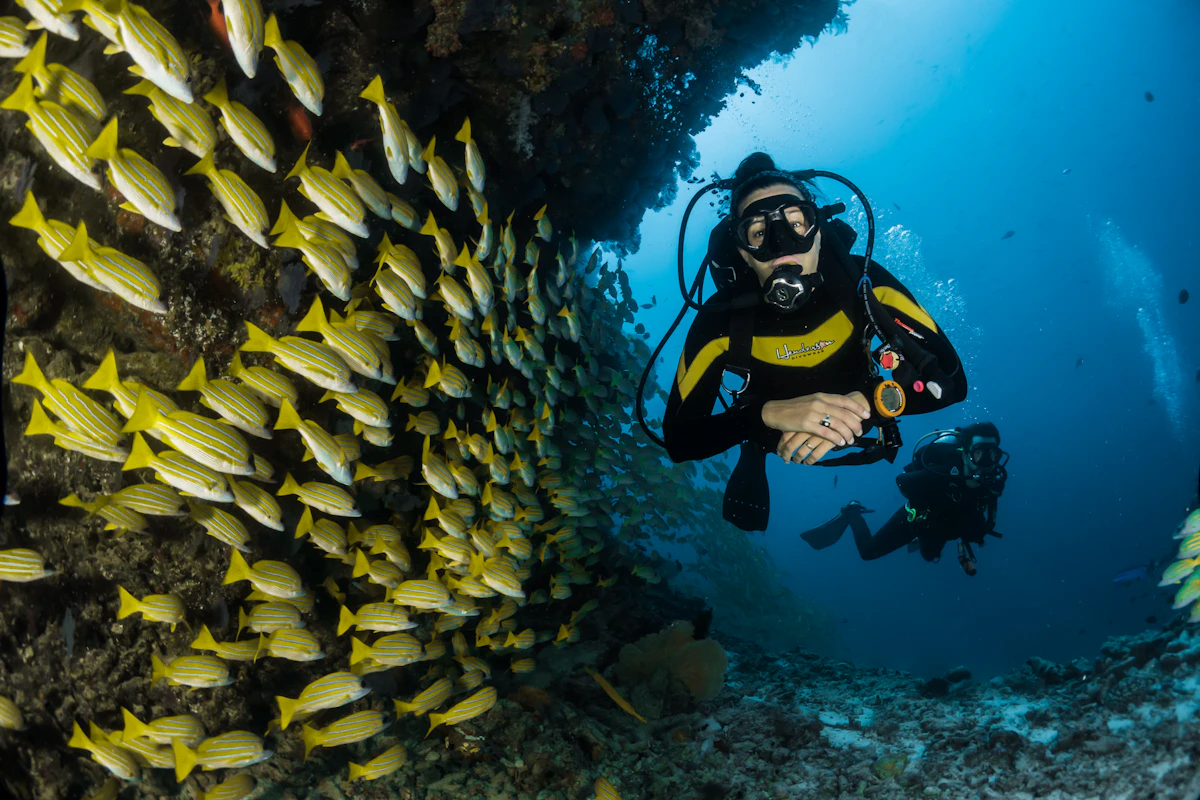 Credit: Unsplash
Palm trees framing a sunset shore
The water here is calm and shallow, safe for wading but too silty for serious swimming. Cargo ships pass on the horizon, their hulls dark against the pale sky, a reminder that this stretch of the Gulf is a working waterway. Food vendors cluster near the parking area, selling grilled corn, mango with sticky rice, bags of fried insects. A handful of small seafood restaurants operate from wooden shacks, their menus handwritten on chalkboards, offerings dependent on the morning's catch.
Pak Nakhon doesn't dazzle, and it doesn't try to. It's a functional beach, valued for proximity and ease rather than beauty. But watch it at dusk, when the families pack up and the light softens, and you'll see its quiet appeal. The trees go dark against the sky, the water turns silver, and for a brief moment the beach feels almost meditative, a threshold between city and sea.


