
Counting the waves…
Counting the waves…
A refined fusion of water purity, environmental stability, and communal vibrancy for Nariva River Mouth Beach.
View MethodologyAnalyzed via live sensors and environmental data.
Wave height, wind, and atmospheric stability.
Live footfall and crowd balance metrics.
Community reviews and curated sentiment.
“Discover a truly unique landscape at Nariva River Mouth Beach, where the freshwater currents of the Nariva River gracefully merge with the powerful Atlantic Ocean. This underrated spot offers a captivating blend of…”
Limited recent visitor reports — live OBI telemetry is your best guide for current conditions.
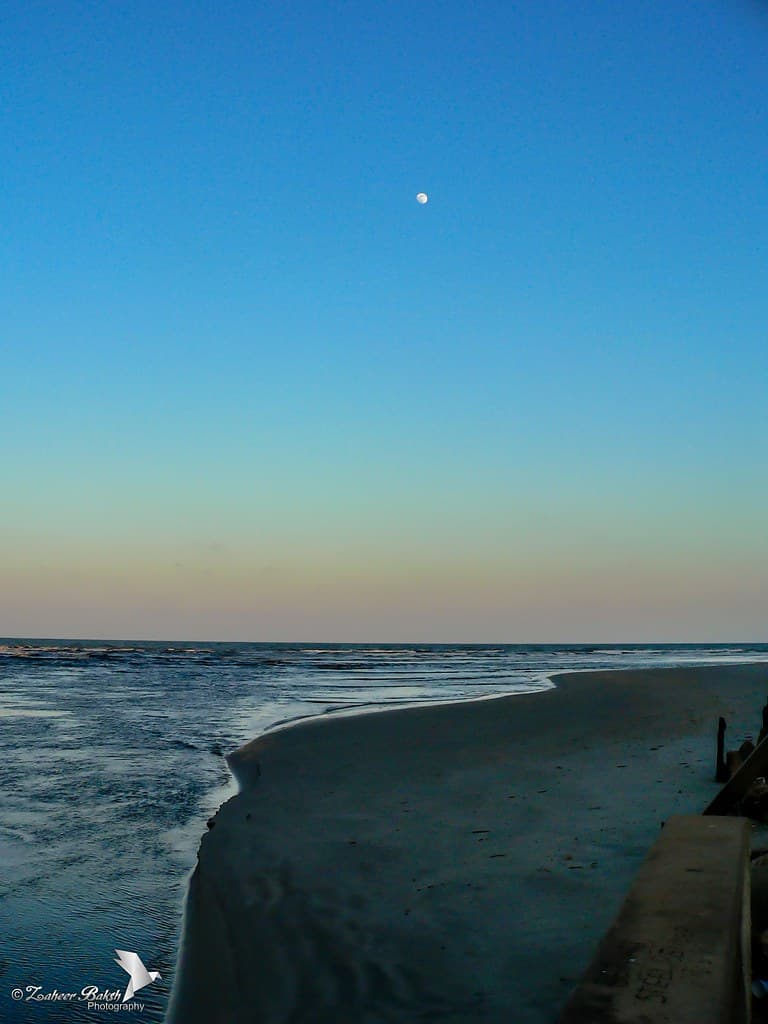
Nariva River Mouth Beach presents a fascinating ecological spectacle, a place where the calm, dark waters of the Nariva River, flowing from the vast Nariva Swamp, meet the vibrant, energetic expanse of the Atlantic Ocean. The contrast is striking: the gentle river current against the powerful ocean swell, the lush, verdant wetland vegetation giving way to the wide, sandy beach. This confluence creates a dynamic landscape that is both beautiful and ecologically significant.
As you explore, you'll notice the distinct shift in the environment, from the brackish waters near the river mouth to the pure saltwater of the open ocean. The area is a haven for birdlife, offering opportunities to spot various species that thrive in both freshwater and coastal habitats. The wide, open beach invites long walks, where you can feel the unique texture of sand mixed with river sediment beneath your feet.
Long-tail boats moored in clear water
Crystal lagoon with rocky outcrop
River-ocean confluence
Explore the Nariva
Walk the unique shoreline
Prime Visitation
Less Crowds|Best Weather
Where it is
Nariva River Mouth Beach
Manzanilla, Sangre Grande, Trinidad and Tobago
10.392900°, -61.038500°
Weather
Loading…
Swell
—
Temp
Warm · Restorative
UV Index
Moderate
Wind
—
Tidal State
Last known
Max Sunlight
—
Ideal Shade
—
Jan - Dec (Peak)
May - Nov (Off-season)
Less Crowds|Best Weather
Select a category to load nearby places.
Unlock restaurants, luxury stays and curated maritime experiences within 2km
Swimming at Nariva River Mouth Beach requires extreme caution. The confluence of the Nariva River with the Atlantic Ocean creates complex and often strong currents. The water can also be murky due to river sediment. While some visitors may wade or swim in very shallow areas, it is generally not recommended for recreational swimming, especially for children or inexperienced swimmers, due to unpredictable conditions and potential undertows.
The best time to visit Nariva River Mouth Beach for optimal weather and conditions is typically during Trinidad's dry season, from December to May. During these months, you can expect less rainfall, more sunshine, and potentially calmer ocean conditions, making it more pleasant for exploring the unique river-meets-ocean landscape. This period also offers clearer views for photography.
Nariva River Mouth Beach is located where the Nariva River meets the Atlantic. While it can be accessed by land, often involving a drive along the Manzanilla-Mayaro Road and then a more rugged path, boat access is a significant way to experience this unique spot. Local fishermen or tour operators in the Manzanilla area might offer boat trips, providing a different perspective of the river and coastline.
Nariva River Mouth Beach is a relatively undeveloped and natural area, focusing on its unique ecological features. Therefore, there are typically no formal food stalls, restaurants, or accommodation options directly at the beach. Visitors should plan to bring all necessary supplies, including food, water, and any other essentials. Lodging would be found in nearby towns like Manzanilla or Mayaro.
Nariva River Mouth Beach is underrated due to its unique ecological blend where the lush Nariva Swamp wetlands meet the expansive Atlantic Ocean. This creates a dramatic and picturesque landscape, perfect for photography. The contrasting textures of the river, ocean, and surrounding vegetation, along with the potential for wildlife sightings, make it highly 'Instagrammable' for those seeking unique natural beauty.
Photos