
Counting the waves…
Counting the waves…
A refined fusion of water purity, environmental stability, and communal vibrancy for Patara Beach.
View MethodologyAnalyzed via live sensors and environmental data.
Wave height, wind, and atmospheric stability.
Live footfall and crowd balance metrics.
Community reviews and curated sentiment.
“Step onto Patara Beach, a magnificent 18-kilometer stretch of protected golden sand, where ancient Lycian ruins meet the Mediterranean Sea. This vast, dune-backed expanse near Kaş is renowned for its sheer scale,…”
Limited recent visitor reports — live OBI telemetry is your best guide for current conditions.
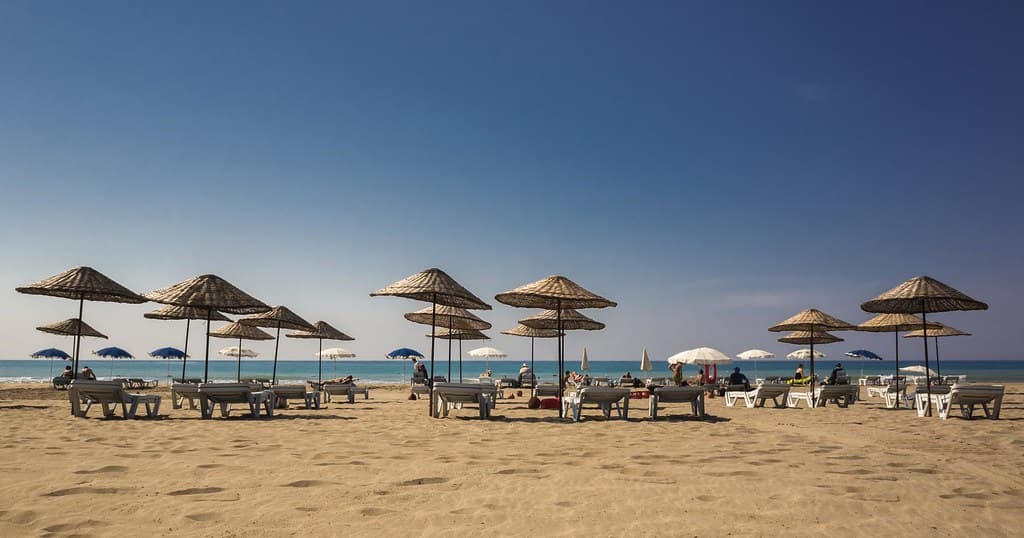
Patara Beach is a truly monumental stretch of coastline, an 18-kilometer ribbon of golden sand that feels boundless. Located near Kaş on Turkey's Western Mediterranean Coast, it's not just a beach; it's a protected national park, a nesting ground for loggerhead sea turtles, and the ancient port of the Lycian city of Patara. The sheer scale of the beach means you can always find a secluded spot, even during peak season, offering an unparalleled sense of freedom and space.
The soft, fine sand stretches inland, forming a dramatic landscape of rolling dunes that invite exploration and provide a stunning backdrop for photography. The Mediterranean water here is typically warm and shallow near the shore, making it ideal for families and casual swimmers. Beyond the immediate beach, the ancient ruins of Patara — including a restored theater, a Roman bath, and a monumental arch — are just a short walk away, offering a fascinating blend of history and natural beauty.
Expansive golden sand
Warm, shallow water
Spectacular evening views
Prime Visitation
Best Weather|Less Crowds
Where it is
Patara Beach
Kaş, Antalya, Turkey
36.262500°, 29.292100°
Weather
Loading…
Swell
—
Temp
Warm · Restorative
UV Index
Moderate
Wind
—
Tidal State
Last known
Max Sunlight
—
Ideal Shade
—
May - Sep (Peak)
Jan - Dec (Off-season)
Best Weather|Less Crowds
Select a category to load nearby places.
Unlock restaurants, luxury stays and curated maritime experiences within 2km
Patara Beach is generally safe for swimming, known for its long, shallow waters, which are ideal for families. However, as it's an open sea beach, conditions can vary. Always be mindful of any currents, especially on windy days. Lifeguard presence may be seasonal, so it's advisable to check local information upon arrival. The extensive sandy stretch provides ample space for relaxation and play.
The best time to visit Patara Beach for pleasant weather and fewer crowds is typically during the shoulder seasons, such as late spring (May-June) or early autumn (September-October). During these months, the temperatures are comfortable for swimming and sunbathing, and the peak summer crowds have not yet arrived or have dispersed. This allows for a more serene experience of its vast sandy expanse.
Patara Beach is easily accessible by car from nearby towns like Kaş and Kalkan, with a drive of approximately 20-30 minutes. There is usually ample parking available near the beach entrance, though a small fee may apply. Dolmuş (minibus) services also operate from Kaş and Kalkan during the high season, offering a convenient alternative. The entrance to the beach is through the ancient city of Patara.
While Patara Beach itself is a protected area with limited development, you'll find various food and lodging options in the nearby village of Patara (Gelemiş). This charming village offers guesthouses, small hotels, and local restaurants serving traditional Turkish cuisine. For a wider selection of upscale hotels and diverse dining, the towns of Kaş and Kalkan are excellent choices, just a short drive away.
Patara Beach stands out due to its incredible length (over 18 kilometers), making it one of the longest beaches in Turkey. Its protected status as a national park and a nesting site for loggerhead sea turtles means it remains largely undeveloped and pristine. The backdrop of ancient Patara ruins adds a unique historical dimension, allowing visitors to combine beach relaxation with exploring significant archaeological sites.