Counting the waves…
Counting the waves…
A refined fusion of water purity, environmental stability, and communal vibrancy for Thurlestone Sands.
View MethodologyAnalyzed via live sensors and environmental data.
Wave height, wind, and atmospheric stability.
Live footfall and crowd balance metrics.
Community reviews and curated sentiment.
“Stretching along the South Devon coast, Thurlestone Sands is a beach of grand proportions, where the horizon feels boundless and the air is invigorating. Its soft, golden sand invites long barefoot strolls, while the…”
Limited recent visitor reports — live OBI telemetry is your best guide for current conditions.
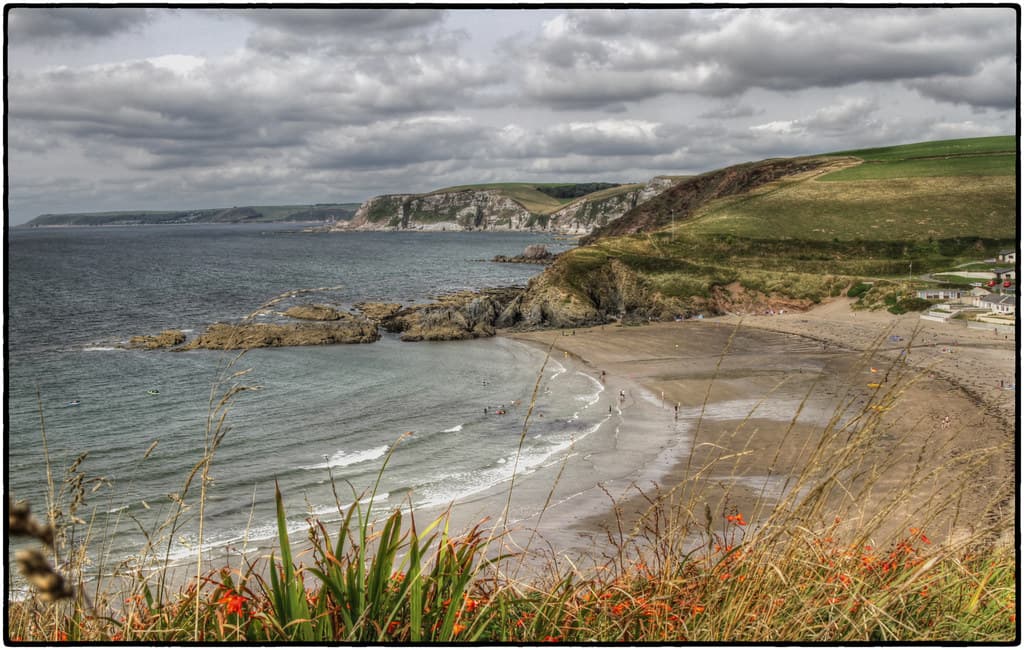
Thurlestone Sands unfurls itself as a magnificent canvas of golden sand, a broad and inviting expanse that stretches between the charming villages of Thurlestone and South Milton. What truly sets this beach apart is the majestic presence of Thurlestone Rock, a distinctive natural arch rising from the sea just offshore. This iconic landmark not only provides a dramatic focal point but also creates an irresistible draw for photographers and nature lovers alike, especially as the sun begins its descent, casting a warm glow through the arch.
The beach itself is a haven for families and those seeking ample space to spread out. The soft sand is perfect for building elaborate sandcastles, playing beach games, or simply lounging with a good book. The waters here are generally calm and inviting, making it suitable for swimming and paddling, particularly during the warmer months. The gentle slope into the sea ensures a safe environment for children to enjoy the refreshing waves.
Long-tail boats moored in clear water
Crystal lagoon with rocky outcrop
Iconic arch views
Relax on golden sand
Calm, inviting waters
Prime Visitation
Best Weather
Where it is
Thurlestone Sands
Thurlestone, Devon, United Kingdom
50.262000°, -3.861500°
Weather
Loading…
Swell
—
Temp
Warm · Restorative
UV Index
Moderate
Wind
—
Tidal State
Last known
Max Sunlight
—
Ideal Shade
—
May - Sep (Peak)
Jan - Dec (Off-season)
Historical data suggests peak visibility and stable sea temperatures occur during the prime visitation window.
Select a category to load nearby places.
Unlock restaurants, luxury stays and curated maritime experiences within 2km
Thurlestone Sands is generally suitable for swimming, with its wide sandy expanse providing a gentle entry into the water. The conditions are typically good, though as with any open beach, they can be subject to weather and tides. It's a popular spot for families, suggesting relatively safe waters. Always be mindful of any currents and keep an eye on children, especially around the rock formations.
The 'Best Weather' for visiting Thurlestone Sands is during the warmer months, from late spring to early autumn. This period offers ideal conditions for enjoying the 'scenic' beauty, sunbathing, and swimming. For photography enthusiasts, late afternoon can be particularly rewarding, as the light enhances the 'Instagrammable' qualities of the beach and the famous Thurlestone Rock, especially around 'sunset'.
Thurlestone Sands is generally accessible, often via paths leading down to the beach. Parking is usually available in designated car parks nearby, though these can fill up quickly during peak season. From the parking areas, there might be a short walk to reach the main sandy expanse. It's advisable to check local signage for specific parking information and any potential charges.
Near Thurlestone Sands, you'll find a charming village atmosphere with some local amenities. There may be a beach cafe or kiosk for refreshments, and the village of Thurlestone often has a pub or restaurant. For accommodation, there are guesthouses, hotels, and self-catering cottages in Thurlestone and the surrounding area, offering options for various budgets. Booking in advance is recommended, especially during busy periods.
The famous offshore Thurlestone Rock is the defining feature of Thurlestone Sands, giving the beach its distinctive 'scenic' and 'Instagrammable' quality. This natural arch formation, carved by the sea, is a geological marvel and a popular subject for photographers, especially at 'sunset'. It adds a dramatic focal point to the wide sandy beach and is a key landmark in the South Devon coastline, attracting visitors for its unique beauty.
Photos