
Counting the waves…
Counting the waves…
A refined fusion of water purity, environmental stability, and communal vibrancy for Reculver Beach.
View MethodologyAnalyzed via live sensors and environmental data.
Wave height, wind, and atmospheric stability.
Live footfall and crowd balance metrics.
Community reviews and curated sentiment.
“Reculver Beach is a site of profound historical significance, dominated by the striking remains of a Roman fort and a medieval abbey. This quiet pebble beach offers a unique blend of ancient history and serene coastal…”
Limited recent visitor reports — live OBI telemetry is your best guide for current conditions.
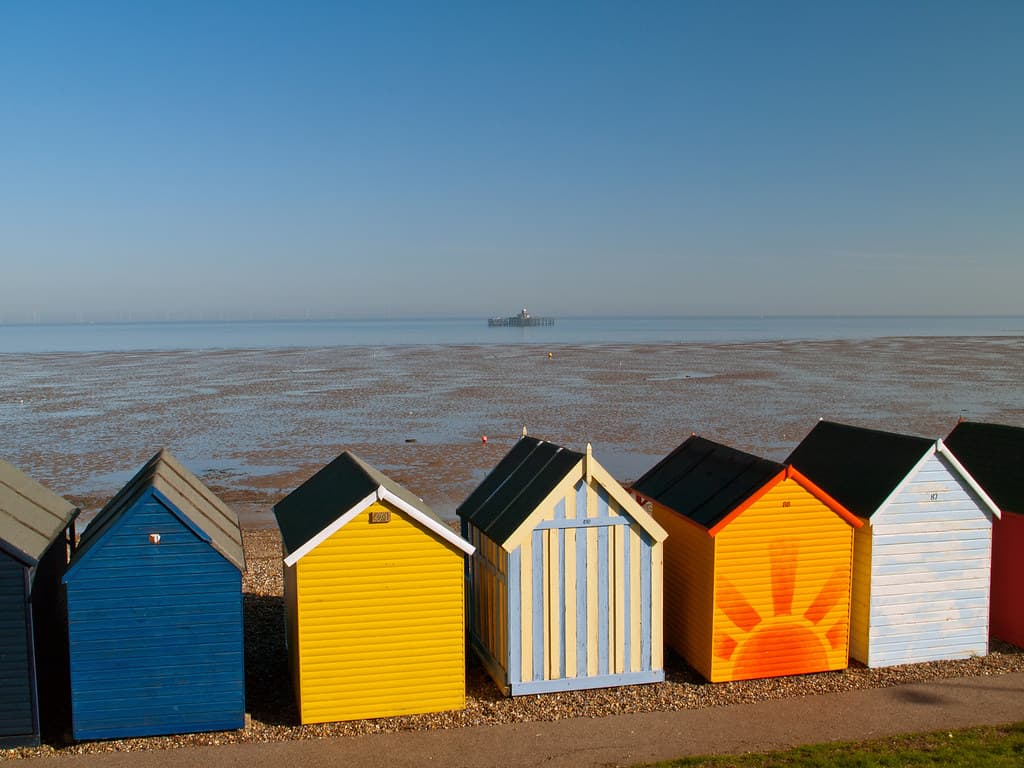
Arrive at Reculver Beach and be immediately struck by the dramatic silhouette of the twin towers, all that remains of a medieval abbey built upon the foundations of a Roman fort. These ancient sentinels stand proudly on the low cliff edge, overlooking a quiet stretch of shingle beach that gently slopes into the Thames Estuary. The air here carries the scent of salt and history, a tangible connection to millennia of human activity.
The beach itself is composed of smooth, grey pebbles, perfect for a contemplative walk. At low tide, the water recedes to reveal a vast expanse of mudflats, a vital feeding ground for numerous bird species, making it a haven for birdwatchers. The views across the estuary are expansive, with the distant shipping lanes providing a constant, subtle reminder of the modern world beyond this ancient site.
a group of people standing on top of a sandy beach
brown wooden dock on beach during daytime
Discover Roman ruins
Capture ancient landmarks
Spot estuary birds
Prime Visitation
Less Crowds
Where it is
Reculver Beach
Reculver, England, United Kingdom
51.379000°, 1.205000°
Weather
Loading…
Swell
—
Temp
Warm · Restorative
UV Index
Moderate
Wind
—
Tidal State
Last known
Max Sunlight
—
Ideal Shade
—
May - Sep (Peak)
Jan - Dec (Off-season)
Historical data suggests peak visibility and stable sea temperatures occur during the prime visitation window.
Select a category to load nearby places.
Unlock restaurants, luxury stays and curated maritime experiences within 2km
Reculver Beach is primarily a pebble beach, and while swimming is possible, it's not the main draw. The water quality can vary, and there are no lifeguards on duty. Visitors should be aware of the tides, as the shoreline can change significantly. It's generally a quieter spot, so caution is advised for any water activities. Many visitors prefer to enjoy the shore and the historic views.
To best enjoy Reculver Beach's scenic views and avoid crowds, consider visiting during the off-peak seasons (spring or autumn) or on weekdays. Early mornings or late afternoons are also excellent times for a peaceful experience and often offer beautiful light for photography, especially around the historic towers. Summer weekends can be busier, but the beach generally remains tranquil.
Reculver Beach is easily accessible by car, with a dedicated car park located near the Reculver Towers. The beach is also popular with cyclists and walkers, as it's part of the Viking Coastal Trail. Public transport options might be more limited, so driving is often the most convenient way to reach this location. The car park provides direct access to the towers and the beach.
Reculver itself is a small village, and while there might be a local pub or cafe, extensive dining and lodging options are limited directly at the beach. Visitors typically find a wider range of restaurants, cafes, and accommodation in nearby towns such as Herne Bay or Birchington-on-Sea, which are just a short drive away. It's advisable to plan meals and stays in advance.
The Reculver Towers are the remains of a 12th-century monastic church, built within the walls of a 3rd-century Roman fort. They stand as a prominent landmark and offer a fascinating glimpse into the area's rich history. While visitors can walk around the base of the towers and explore the surrounding area, access to climb the towers themselves is generally restricted for preservation and safety reasons. Information boards provide historical context.
Photos