Counting the waves…
Counting the waves…
A refined fusion of water purity, environmental stability, and communal vibrancy for Donna Nook Beach.
View MethodologyAnalyzed via live sensors and environmental data.
Wave height, wind, and atmospheric stability.
Live footfall and crowd balance metrics.
Community reviews and curated sentiment.
“Venture to Donna Nook Beach, a truly wild and untamed corner of the Lincolnshire coast where nature takes center stage. This remote stretch of sand and saltmarsh is globally renowned for its grey seal breeding colony,…”
Limited recent visitor reports — live OBI telemetry is your best guide for current conditions.
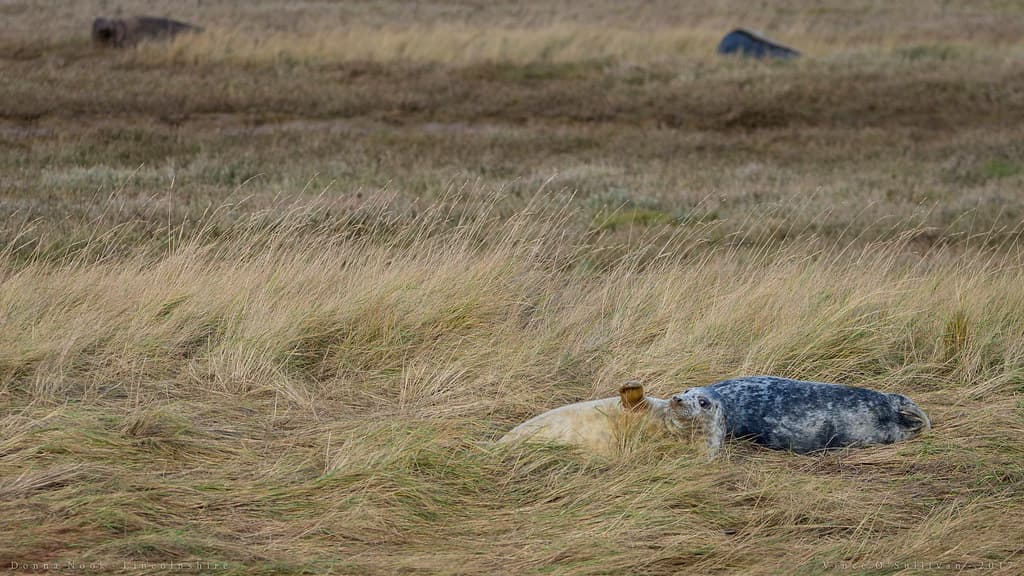
Donna Nook Beach is not just a beach; it's a living, breathing natural spectacle. This remote and windswept expanse of sand and saltmarsh on the Lincolnshire coast is famous worldwide as a breeding ground for grey seals. During the autumn and winter months, the dunes become a nursery for thousands of seal pups, offering an incredibly rare and moving opportunity to observe these magnificent creatures up close (from designated viewing areas, of course).
Beyond the captivating wildlife, Donna Nook offers a landscape of stark, dramatic beauty. The vast, flat sands give way to intricate saltmarsh creeks and distant mudflats, creating a dynamic environment that shifts with the tides and seasons. The air is crisp and wild, carrying the scent of the sea and the calls of numerous bird species that also call this unique habitat home. It’s a photographer's dream, with endless vistas and ever-changing light.
Long-tail boats moored in clear water
Crystal lagoon with rocky outcrop
Grey seal colony (autumn/winter)
Remote saltmarsh trails
Seals and birdlife
Prime Visitation
Less Crowds
Where it is
Donna Nook Beach
Donna Nook, Lincolnshire, United Kingdom
53.474000°, 0.154500°
Weather
Loading…
Swell
—
Temp
Warm · Restorative
UV Index
Moderate
Wind
—
Tidal State
Last known
Max Sunlight
—
Ideal Shade
—
May - Sep (Peak)
Jan - Dec (Off-season)
Historical data suggests peak visibility and stable sea temperatures occur during the prime visitation window.
Select a category to load nearby places.
Unlock restaurants, luxury stays and curated maritime experiences within 2km
Donna Nook Beach is primarily known for its wildlife, particularly the seal colony, rather than swimming. The waters here can be cold, and currents may be present. There are no lifeguards on duty, and the remote nature of the beach means facilities are limited. Visitors should exercise caution and be aware of tide times, especially when exploring the saltmarsh areas. It's generally recommended for walking and wildlife observation rather than water-based activities.
The best time to visit Donna Nook Beach for fewer crowds is generally outside of the peak seal pupping season (late October to December). During this period, the beach can become very busy, especially on weekends. Visiting during weekdays or in the shoulder seasons (spring or early autumn) can offer a more tranquil experience, allowing for better appreciation of the remote saltmarsh scenery and other wildlife without the large numbers of visitors.
Donna Nook Beach is located in a relatively remote part of Lincolnshire. Access is typically by car, following local signage towards Donna Nook. There is usually parking available, though it can become very busy during the seal pupping season, sometimes requiring a short walk to the main viewing areas. Public transport options are very limited, so driving is generally the most practical way to reach this wild coast.
Due to its remote and wild nature, Donna Nook Beach itself has very limited facilities. There are typically no direct food vendors or accommodation options right at the beach. Visitors usually find lodging and dining in nearby towns and villages such as North Somercotes, Louth, or Grimsby, which offer a range of pubs, restaurants, and guesthouses. It's advisable to plan for food and drink before arriving at the beach.
Donna Nook Beach is uniquely famous for its large grey seal colony, particularly during the pupping season when hundreds of seals can be seen on the sands. It's a designated National Nature Reserve, offering a rare opportunity to observe these wild animals in their natural habitat. Beyond the seals, the remote saltmarsh scenery and expansive wild coast provide a distinctive landscape, making it a significant site for nature lovers and photographers alike.
Photos