Counting the waves…
Counting the waves…
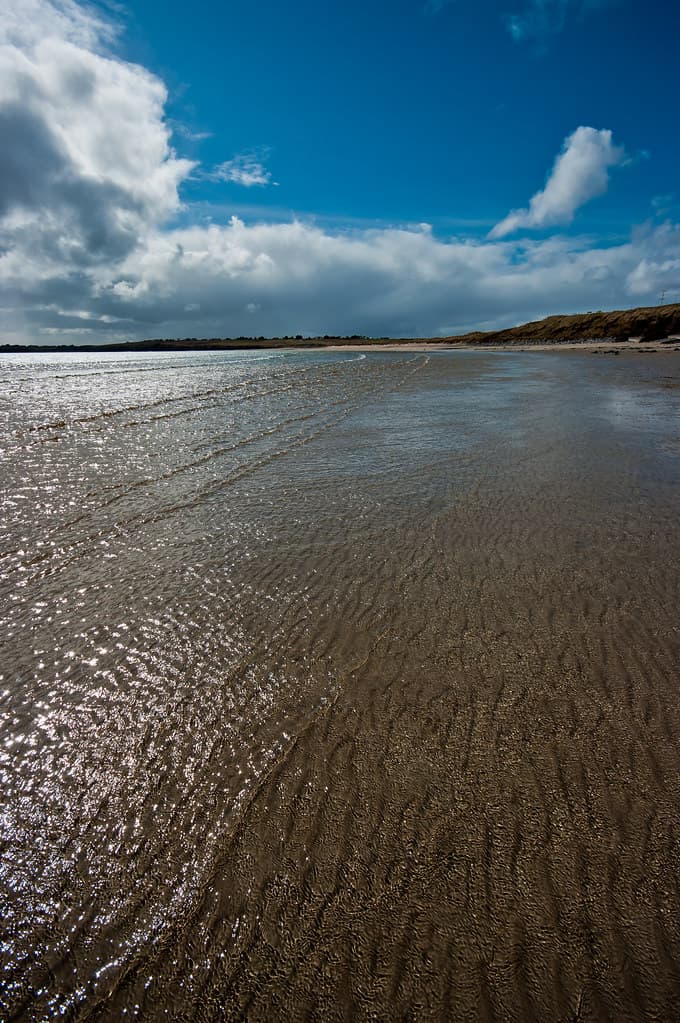
A refined fusion of water purity, environmental stability, and communal vibrancy for Dun Eistean Beach.
View MethodologyAnalyzed via live sensors and environmental data.
Wave height, wind, and atmospheric stability.
Live footfall and crowd balance metrics.
Community reviews and curated sentiment.
“Dun Eistean Beach on the Isle of Lewis is a dramatic testament to the raw power of the Atlantic. This isn't a place for sunbathing, but for invigorating exploration among ancient rock formations and churning waters.…”
Limited recent visitor reports — live OBI telemetry is your best guide for current conditions.
Forget soft sands and gentle waves; Dun Eistean offers a different kind of coastal allure. Here, the beach is a mosaic of dark, ancient rocks, sculpted by millennia of wind and sea. The air is often thick with the scent of salt and seaweed, and the sound of the ocean is a constant, powerful presence, a deep rumble that reverberates through the very stones beneath your feet.
What truly captivates at Dun Eistean is the sheer drama of its landscape. Jagged cliffs rise from the water, forming natural ramparts, while sea stacks stand like sentinels against the horizon. This is a place for the intrepid, for those who seek to connect with nature in its most untamed form. The opportunities for exploration are endless, from clambering over rocks to discovering hidden tidal pools teeming with marine life.
Palm trees framing a sunset shore
Powder beach beneath limestone cliffs
Explore rugged terrain
Capture wild seascapes
Spot marine life
Prime Visitation
Less Crowds
Where it is
Dun Eistean Beach
Isle of Lewis, Outer Hebrides, United Kingdom
58.081200°, -6.336700°
Weather
Loading…
Swell
—
Temp
Warm · Restorative
UV Index
Moderate
Wind
—
Tidal State
Last known
Max Sunlight
—
Ideal Shade
—
May - Sep (Peak)
Jan - Dec (Off-season)
Historical data suggests peak visibility and stable sea temperatures occur during the prime visitation window.
Select a category to load nearby places.
Unlock restaurants, luxury stays and curated maritime experiences within 2km
Dun Eistean Beach is primarily a rocky beach, which means swimming might be less comfortable than at sandy beaches due to the uneven terrain and potential for sharp rocks. While the waters can be clear, strong currents might be present, and there are no lifeguards. It's generally more suited for exploration and enjoying the dramatic scenery rather than traditional swimming. Exercise caution if entering the water, especially during rougher conditions.
To experience Dun Eistean Beach with fewer crowds, consider visiting during the shoulder seasons (spring or autumn) or outside of peak summer hours. Early mornings or late afternoons can also offer a more solitary experience. While it's already a 'hidden' gem, avoiding the busiest times ensures you can fully appreciate its dramatic views and opportunities for exploration without interruption. The weather can be more unpredictable during these times, but the solitude is often worth it.
Dun Eistean Beach is located on the Isle of Lewis. Access will typically involve driving to the general area, often requiring navigation along smaller, local roads. Specific directions can vary, so consulting a detailed map or GPS is recommended. Parking might be informal or limited to roadside pull-offs rather than a dedicated car park, given its 'hidden' nature. Be prepared for a short walk to the beach itself, potentially over uneven terrain.
As a 'hidden' and somewhat remote rocky beach, Dun Eistean Beach does not have immediate food or lodging facilities. Visitors should plan to bring their own refreshments. For accommodation and dining, you would need to travel to nearby villages or towns on the Isle of Lewis. It's always advisable to check local listings and book accommodations in advance, especially during busier travel periods, as options can be spread out across the island.
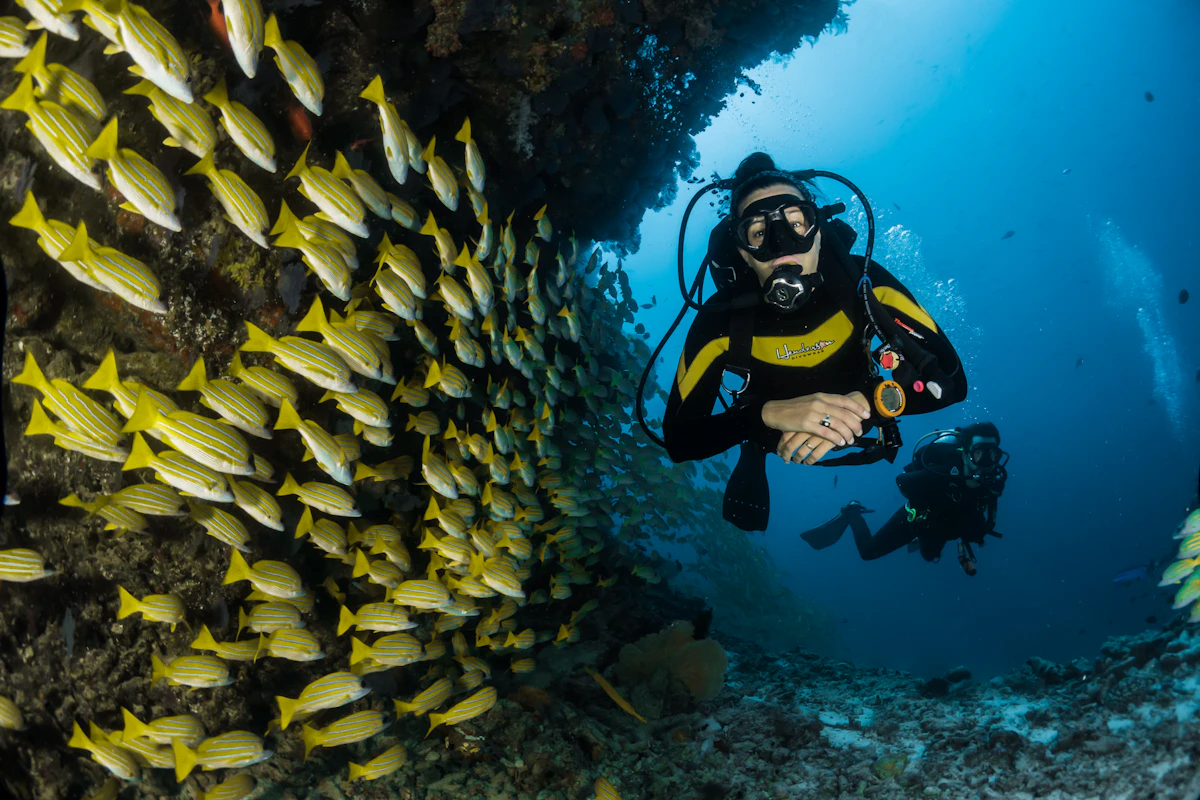
Dun Eistean Beach is unique for its dramatic rocky landscape and excellent opportunities for exploration and snorkeling. The rocky formations create interesting underwater environments for marine life, making it a great spot for those with appropriate gear and experience. Beyond snorkeling, visitors can enjoy exploring the rock pools, appreciating the rugged coastal scenery, and photography. Its 'hidden' tag promises a truly unspoiled and adventurous experience.
Photos