
North Beach Park occupies a compact stretch of shoreline where Fairhope's tree-lined downtown meets the bay. You park along the curb, cross a lawn dotted with magnolia shade, and descend a small slope to find a beach that never stretches more than fifty feet wide. The sand here is pale brown, packed firm near the waterline, and littered with broken oyster shells that glint when wet. The water itself stays shallow for yards—warm in summer, bracingly cold from December through February—and reflects the sky in shades of taupe and silver depending on how much sediment the Tensaw River has delivered that week.
“One of the few Gulf Coast sunset beaches facing due west across open bay, not sand-barrier islands or marsh.”
 Credit: Flickr
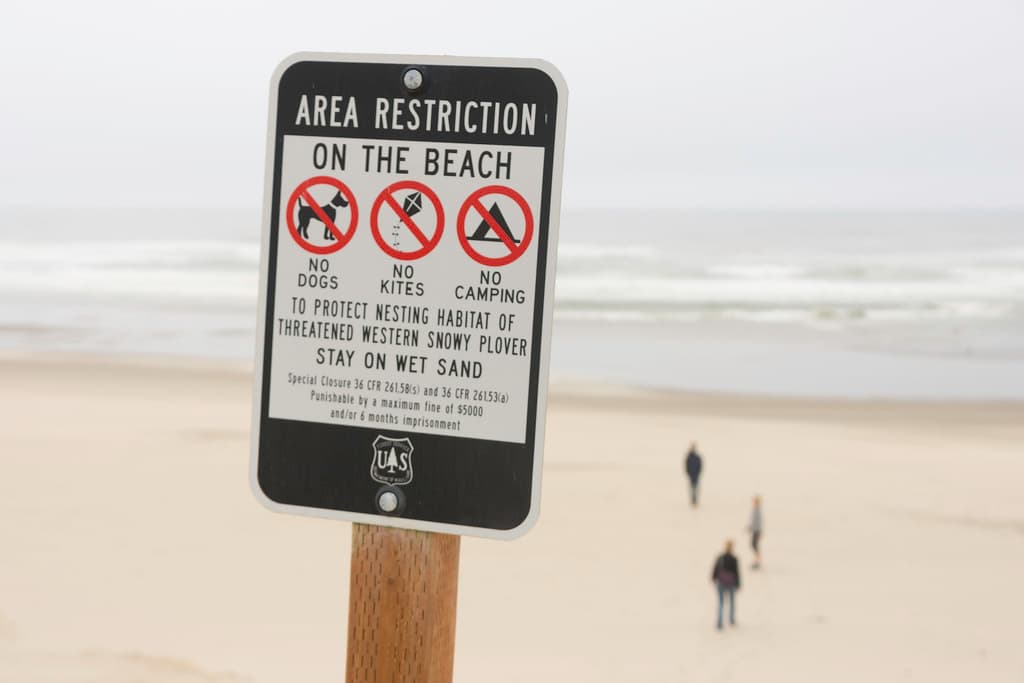
Oregon Dunes National Recreation Area, Oregon
Families arrive mid-afternoon and stake out territory near the municipal pier, a T-shaped wooden structure where teenagers dangle crab traps and older men cast lines for speckled trout. You'll hear the slap of small waves against pilings, the creak of rope swings hanging from beachside trees, and the constant chatter of gulls working the tideline. By late afternoon the western horizon becomes the main attraction: unobstructed, impossibly wide, and famous enough that locals schedule dinner plans around it.
The park itself is barely five acres, but that compression creates intimacy. You're never far from a covered pavilion, a clean restroom, or a family celebrating a birthday under a rented shelter. The roses planted along the walking path bloom in April and October. The live oaks are old enough that their lowest branches nearly touch the grass, creating shaded pockets where you can spread a blanket and watch the bay without ever touching the water.


