Counting the waves…
Counting the waves…
A refined fusion of water purity, environmental stability, and communal vibrancy for Point Woronzof Beach.
View MethodologyAnalyzed via live sensors and environmental data.
Wave height, wind, and atmospheric stability.
Live footfall and crowd balance metrics.
Community reviews and curated sentiment.
“You'll stand on gravel where beluga whales surface in summer and the Chugach Range unfurls across the eastern sky. The tide retreats up to half a mile here, exposing vast tidal flats stippled with shorebird tracks,…”
Limited recent visitor reports — live OBI telemetry is your best guide for current conditions.
Point Woronzof interrupts Anchorage's southwestern shoreline with a windswept promontory that juts into Cook Inlet, delivering unfiltered views of North America's tallest peak some 130 miles northwest. You'll walk a short path from the parking area to reach the bluff, where benches face the water and interpretive signs explain the bore tide's twice-daily surge. Below, the beach itself is a sprawl of sand, silt, and cobble that shifts with every tide cycle, exposing kelp tangles and clamshells when the water pulls back.
The Tony Knowles Coastal Trail threads past this spot, drawing runners, fat-tire cyclists, and dog walkers year-round. In winter, hoarfrost coats the beach grass and sea smoke rises off the inlet's open water; summer brings midnight sun and the chance to spot belugas cruising the shallows. You'll share the beach with locals who know to time their visits around the tidal chart—low tide reveals acres of gleaming mudflats, while high tide brings the water nearly to the bluff's base.
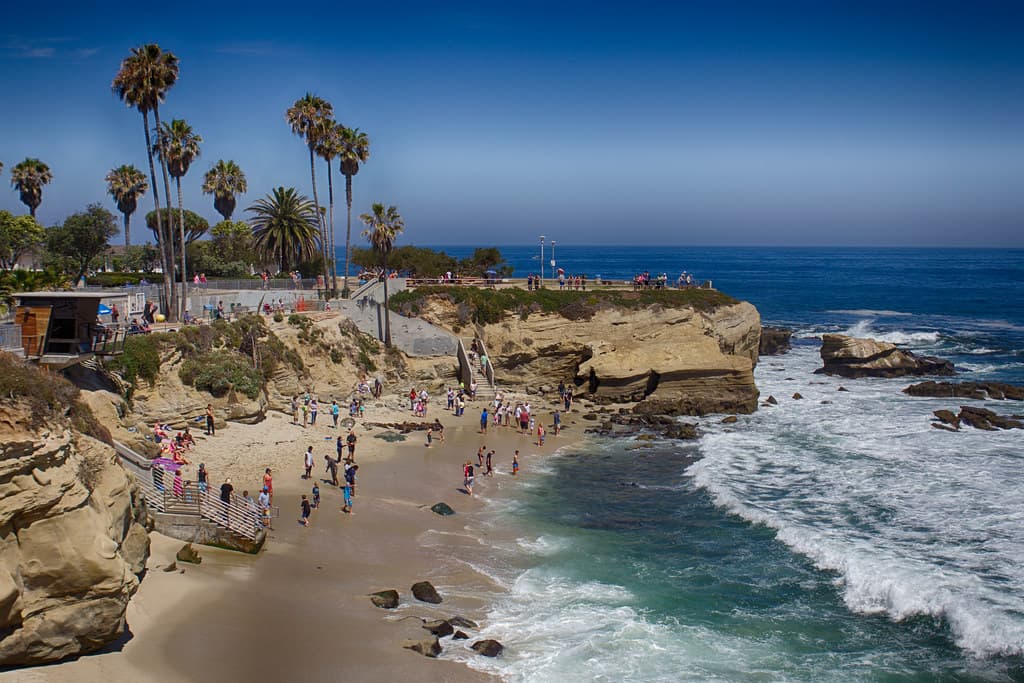
Cliff-edge cove with emerald water
Palm trees framing a sunset shore
Clear days reveal the summit
Paved eleven miles to downtown
July through September, binoculars essential
Where it is
Point Woronzof Beach
Anchorage, Alaska, USA
61.182400°, -150.018500°
Weather
Loading…
Swell
—
Temp
Warm · Restorative
UV Index
Moderate
Wind
—
Tidal State
Last known
Max Sunlight
—
Ideal Shade
—
May - Sep (Peak)
Jan - Dec (Off-season)
Historical data suggests peak visibility and stable sea temperatures occur during the prime visitation window.
Select a category to load nearby places.
Unlock restaurants, luxury stays and curated maritime experiences within 2km
Swimming is not recommended at Point Woronzof Beach. The waters of Cook Inlet are extremely cold year-round (typically 40-50°F), which poses serious hypothermia risks. Additionally, the inlet has dangerous tidal currents, significant tidal fluctuations of up to 30 feet, and mudflats that can trap waders. The beach is primarily used for walking, beachcombing, wildlife viewing, and watching planes land at nearby Ted Stevens Anchorage International Airport. Visitors should stay on firm sand and keep a safe distance from the water's edge.
Point Woronzof Beach is accessible year-round, with different seasonal highlights. Summer (June-August) offers the warmest weather, long daylight hours, and better chances to spot beluga whales offshore. Winter provides opportunities to see the Northern Lights and frozen coastal landscapes, though temperatures drop well below freezing. Spring and fall bring dramatic tidal changes and migrating birds. Sunset viewing is spectacular in summer months. The beach can be windy any time of year, so dress in layers. Low tide is ideal for beachcombing and exploring the shoreline safely.
Point Woronzof Beach is located about 10 minutes from downtown Anchorage via car. Take Minnesota Drive north, turn left on Point Woronzof Road, and follow it to the end. Free parking is available at the Point Woronzof Park parking lot. The beach is part of the Tony Knowles Coastal Trail system and can also be reached by bicycle or on foot along this scenic 11-mile paved trail. Public transportation options are limited, so driving or biking are the most practical access methods for most visitors.
Point Woronzof Beach has minimal amenities—there are restrooms and picnic tables at the parking area, but no food vendors or restaurants directly at the beach. Visitors should bring their own food, water, and supplies. The nearest restaurants, grocery stores, and gas stations are along Minnesota Drive, about 2-3 miles away. Downtown Anchorage, approximately 4 miles south, offers the closest full range of dining and lodging options. For overnight stays, numerous hotels are available in Anchorage proper, though none offer beachfront access at this location.
Yes, Point Woronzof Beach is one of the best shore-based locations in Anchorage to spot beluga whales. Cook Inlet hosts a population of endangered beluga whales that sometimes come close to shore, especially during summer months when salmon are running (typically July-August). Your best chances are during high tide periods. The whales appear as white shapes in the gray water and occasionally surface to breathe. Bring binoculars for better viewing. Check tide schedules in advance, and be patient—sightings aren't guaranteed but are relatively common during peak season.
Photos