

Chignik Lagoon Beach unfolds along a narrow spit separating the Pacific from a landlocked tidal basin, where the Aleutian Range rises abruptly from the waterline. The sand here carries the weight of ash and erosion—charcoal-gray stretches interrupted by driftwood logs bleached bone-white by salt and sun. When the wind drops, you'll hear the rhythmic slap of waves against the outer shore and the quieter lapping of lagoon water behind you, two entirely different conversations happening simultaneously.
“One of the only beaches in Alaska where a sheltered lagoon and wild Pacific surf exist within a hundred yards of each other.”
 Credit: Pexels
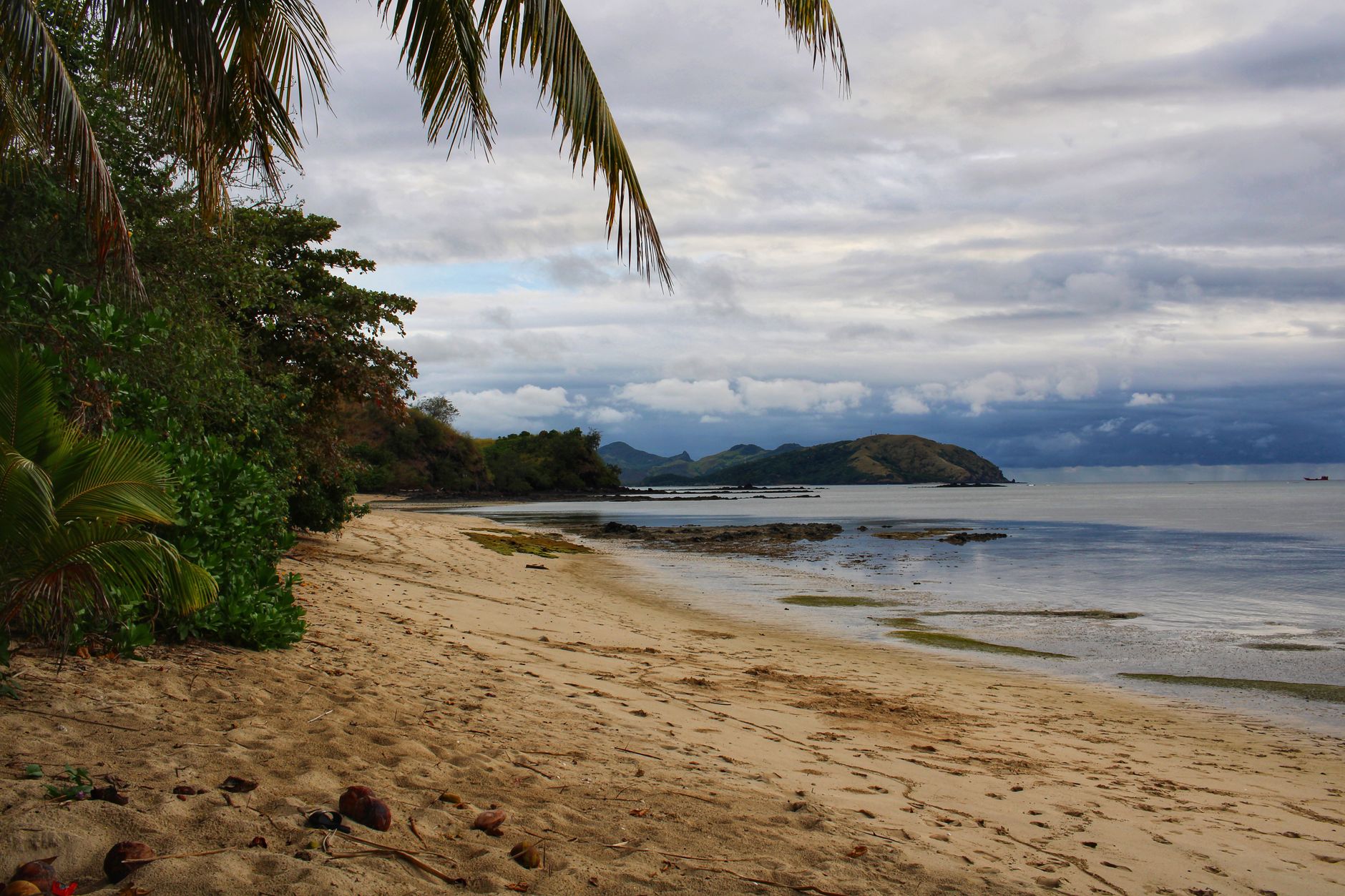
Serene tropical beach with palm trees, sand, and calm ocean waves under a cloudy sky.
The village of roughly seventy souls depends on salmon, and during July's sockeye runs the beach becomes a staging ground for skiffs and nets. You'll see aluminum boats pulled high above the tide line, orange buoys stacked in tangles, and the occasional brown bear lumbering along the surf at dawn. The weather shifts without warning—bluebird mornings dissolving into horizontal rain by lunch—so your rain shell stays within arm's reach even when the sun feels generous.
There are no boardwalks or concession stands, no lifeguards or cell service. What you get instead is a beach that operates on its own ancient schedule: tides ruled by the moon, fog banks rolling in from the Shelikof Strait, and the kind of solitude that reminds you how small your footprints really are. The lagoon's protected waters offer respite from the open ocean's force, creating a liminal zone where fresh and salt water negotiate terms twice daily.


