
You step onto charcoal-dark sand that crunches underfoot, each grain a fragment of ancient lava ground fine by centuries of Bering Sea fury. The wind doesn't gust here—it blows constant and serious, carrying the salt-smell of kelp beds and the distant bark of sea lions. Behind you, snow-dusted peaks rise above tundra grasslands; before you, gray-green waves thunder against the shore in rhythms that predate calendars.
“This is the only black-sand beach where you can watch brown bears fish for salmon while bald eagles outnumber tourists fifty to one.”
 Credit: Flickr
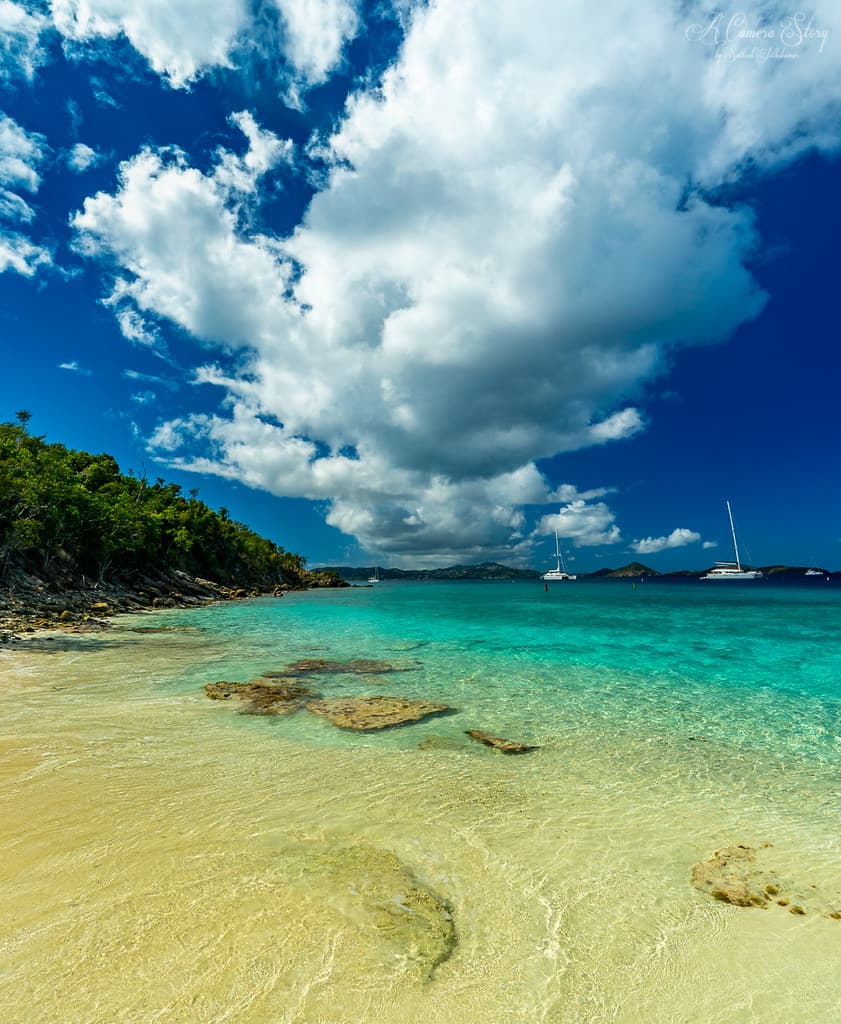
National Parks Journey - Virgin Islands
This is not a beach for towels and novels. You come here bundled in layers, binoculars swinging from your neck, scanning the surf line where humpback whales breach during summer migrations and sea otters float on their backs, cracking clams against their chests. Driftwood logs the size of shipping containers lie scattered like giant's bones, polished silver by sand and storm. The beach curves for miles in both directions, empty except for your footprints and the three-toed tracks of tundra-dwelling plovers.
Cold Bay sits at the end of the Alaska Peninsula, closer to Russia than to Anchorage, accessible only by prop plane. The beach reflects this remoteness—spectacular, severe, untouched. During winter, northern lights ripple green above the black sand. In summer's endless daylight, wildflowers blaze across nearby headlands while the Pacific continues its ancient conversation with the shore, speaking in whitecaps and wind.


