
Orca Beach curves along the eastern edge of Prince William Sound, a stretch of slate-colored sand hemmed by Sitka spruce and the jagged peaks of the Chugach Mountains. The water here runs cold and green, fed by glacial melt that clouds the shallows with silt. At low tide, tide pools reveal purple starfish clinging to barnacle-crusted rocks, while harbor seals bob offshore, their heads disappearing beneath the surface as you approach.
“This is Alaska's coast without cruise ships, accessible only by plane or ferry to a town that refuses to build a highway.”
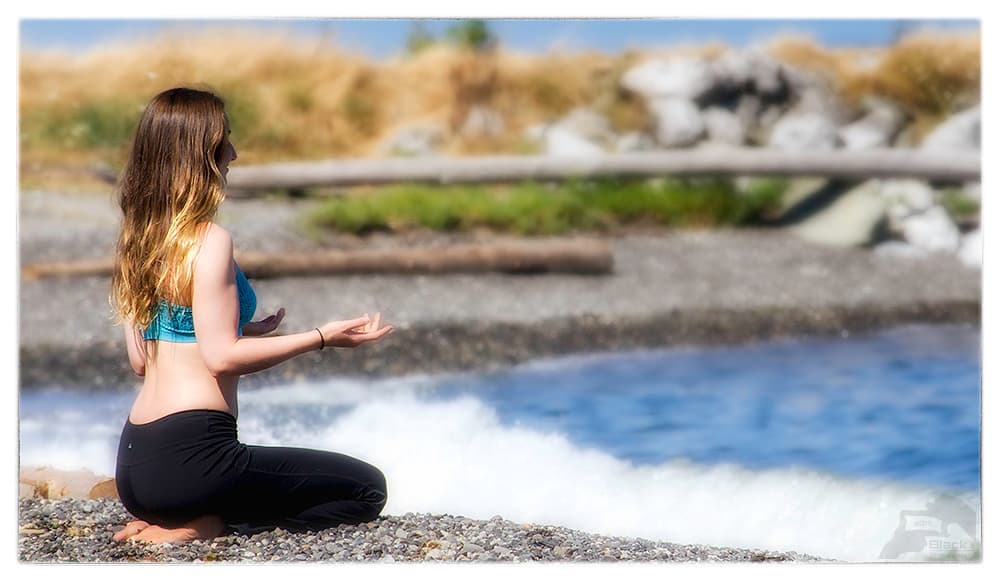 Credit: Flickr
usa_orcas_island
The beach takes its name from the orcas that patrol these waters in spring and summer, their dorsal fins slicing through the chop as they hunt salmon returning to spawn. You'll hear the huffs of their blows before you spot them, if the wind is right. Bald eagles perch in the skeletal branches of storm-felled trees, waiting for the tide to strand their next meal.
Cordova itself remains one of Alaska's most isolated communities—no roads connect it to the outside world—which means Orca Beach sees fewer visitors in a year than most beaches see in a weekend. The solitude is absolute. You'll find weathered picnic tables near the parking area, but the beach itself stretches empty in both directions, a place where the only soundtrack is the slap of waves and the occasional whistle of a river otter.


