
The beach announces itself with the crunch of rounded cobbles under your boots—no soft sand here, just millions of gray and rust-colored stones shaped by winter storms. Sitka spruce lean toward the water, their roots exposed where high tides have carved into the bluff. On calmer days, you'll watch harbor seals surface beyond the kelp beds, their dark heads appearing and vanishing like punctuation marks across the swells.
“One of the few accessible beaches in Kodiak where you can watch both brown bears fishing the creek mouth and sea otters rafting in the kelp.”
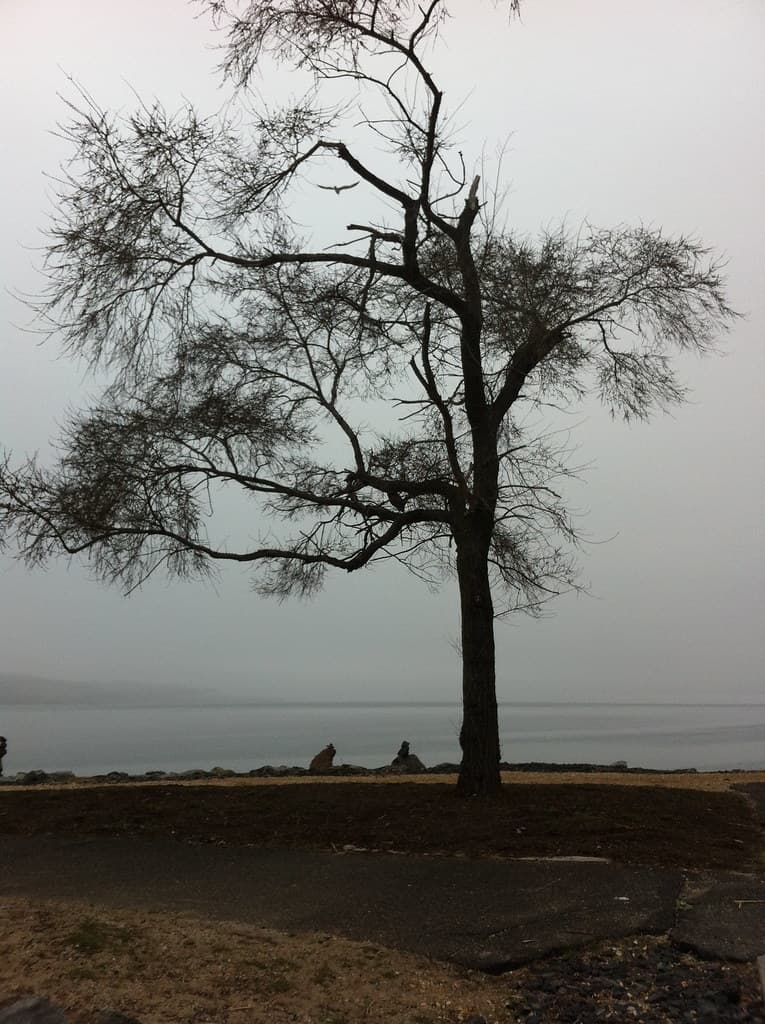 Credit: Flickr
Tappen Beach, Sea Cliff, Long Island, New York
Most visitors walk the tide line searching for Japanese glass floats that occasionally drift ashore, their aqua and amber spheres nested among the kelp wrack. The beach curves gently for a quarter mile, ending where Bear Creek spills into the bay. In summer, silver salmon stage at the creek mouth; in winter, Steller's sea lions haul out on the offshore rocks, their barking audible even through the wind.
You won't find facilities or lifeguards—this is Kodiak, where coastal access means accepting the shore on its own terms. Dress in layers: even July afternoons rarely crack sixty degrees. The reward is solitude that feels earned, the kind of quiet broken only by ravens and the rhythmic percussion of waves rearranging stones that have been smoothing themselves for centuries.


