
Counting the waves…
Counting the waves…
A refined fusion of water purity, environmental stability, and communal vibrancy for Cape Blossom Beach.
View MethodologyAnalyzed via live sensors and environmental data.
Wave height, wind, and atmospheric stability.
Live footfall and crowd balance metrics.
Community reviews and curated sentiment.
“You'll walk onto a shore where bleached driftwood logs pile like ancient bones against a backdrop of tundra hills. The Arctic wind carries salt and the distant cry of loons, while the midnight sun—or winter's…”
Limited recent visitor reports — live OBI telemetry is your best guide for current conditions.
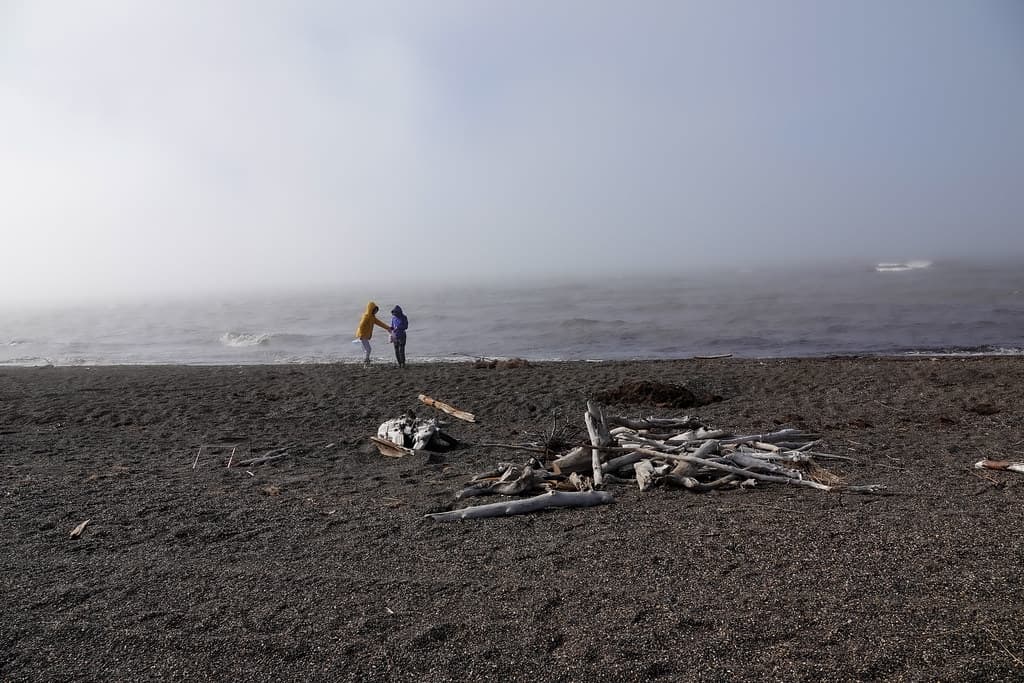
The drive out to Cape Blossom takes you along the northern edge of Kotzebue, where gravel roads give way to a shoreline littered with driftwood carried by the Noatak and Kobuk rivers. The logs, smoothed by decades of ice and tide, form natural benches where you can sit and watch ice floes drift across Kotzebue Sound in early summer or scan the horizon for beluga whales breaking the surface. The beach itself is a ribbon of coarse sand and smooth stones, bordered by low tundra shrubs that bloom briefly in June with tiny pink and white flowers.
In winter, the frozen sound becomes a highway for snowmobiles, and the beach transforms into a staging area for ice fishing and subsistence hunting. Summer brings nearly constant daylight, when the sun circles the horizon without fully setting, casting long amber light across the water at midnight. You'll feel the temperature drop sharply when the wind shifts, so layering is essential even in July. The silence here is profound—broken only by the rhythmic lap of waves or the occasional rumble of a bush plane overhead.
Capture golden hour at 2 a.m.
Scan for Arctic foxes and birds
Watch for beluga whales surfacing
Where it is
Cape Blossom Beach
Kotzebue, Alaska, USA
66.742100°, -162.091700°
Weather
Loading…
Swell
—
Temp
Warm · Restorative
UV Index
Moderate
Wind
—
Tidal State
Last known
Max Sunlight
—
Ideal Shade
—
May - Sep (Peak)
Jan - Dec (Off-season)
Historical data suggests peak visibility and stable sea temperatures occur during the prime visitation window.
Select a category to load nearby places.
Unlock restaurants, luxury stays and curated maritime experiences within 2km
Swimming at Cape Blossom Beach is generally not recommended due to extremely cold water temperatures year-round, typically ranging from 32-50°F even in summer. The Arctic waters can cause rapid hypothermia within minutes. Strong currents and ice floes during much of the year present additional hazards. The beach is better suited for scenic walks, wildlife viewing, and photography. If you do enter the water, wear appropriate cold-water gear and never swim alone. Always check local conditions and weather forecasts before visiting.
June through August offers the most accessible conditions with nearly 24-hour daylight, temperatures ranging from 45-65°F, and ice-free waters. July typically provides the warmest weather and best wildlife viewing opportunities. However, each season offers unique experiences: spring migration (April-May), summer midnight sun, fall northern lights (September-October), and winter aurora viewing. Weather can change rapidly year-round, so pack layers regardless of season. Winter visits require extreme cold preparation with temperatures dropping well below zero and limited daylight from November through January.
Kotzebue is accessible only by air, with daily flights from Anchorage (approximately 90 minutes). From Kotzebue town, Cape Blossom Beach is within walking or biking distance, about 1-2 miles from the center. There are limited informal parking areas if you rent a vehicle locally, though most visitors walk. No paved roads connect Kotzebue to other communities. The compact town makes most locations accessible on foot. Check with your lodging provider about vehicle rentals or guided transportation options to the beach area.
Kotzebue offers several hotels and lodges including Nullagvik Hotel and Bayside Inn, though options are limited and should be booked well in advance. Restaurants serve American fare and some local specialties; grocery stores stock essentials but prices are higher than mainland Alaska due to air freight. There are no facilities directly at Cape Blossom Beach itself—no restrooms, food vendors, or services. Plan to bring your own water, snacks, and supplies. Many visitors arrange meals through their accommodations or purchase groceries for self-catering.
Yes, Cape Blossom Beach offers excellent northern lights viewing from September through April, with peak aurora activity in March and September during the equinoxes. The beach's location above the Arctic Circle and minimal light pollution create ideal conditions. Winter months provide the most darkness for viewing, though temperatures can be extreme. August through mid-September offers milder conditions while still dark enough for aurora viewing. The open coastal landscape provides unobstructed views of the night sky. Download aurora forecast apps and check local conditions for best viewing opportunities.