
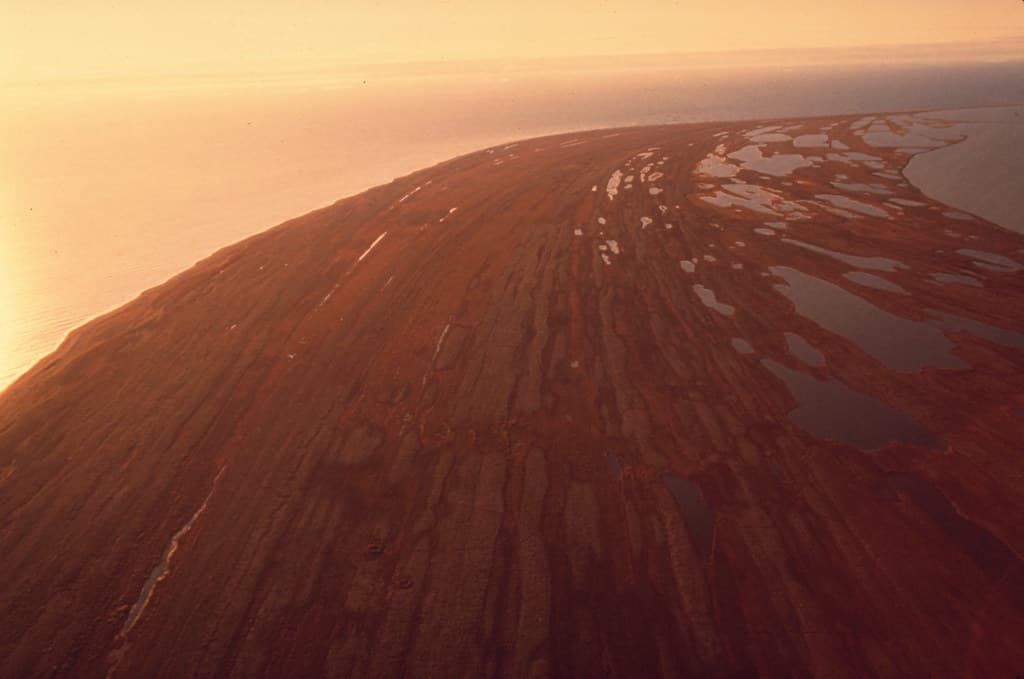
The Chukchi Sea laps against graphite-colored gravel at Cape Krusenstern, where each ridge of beach tells a chapter in Arctic archaeology. You walk among limestone outcrops and driftwood bleached silver by endless summer light, tracing the shoreline that once welcomed Inupiaq hunters tracking bowhead whales and bearded seals. The wind never stops here—it carries the scent of kelp and tundra flowers in brief July warmth, and the cry of Arctic terns diving for fish in shallows the color of slate.
“The only beach in America where every ridge beneath your feet is an archaeological layer cake spanning 4,000 years of continuous human habitation.”
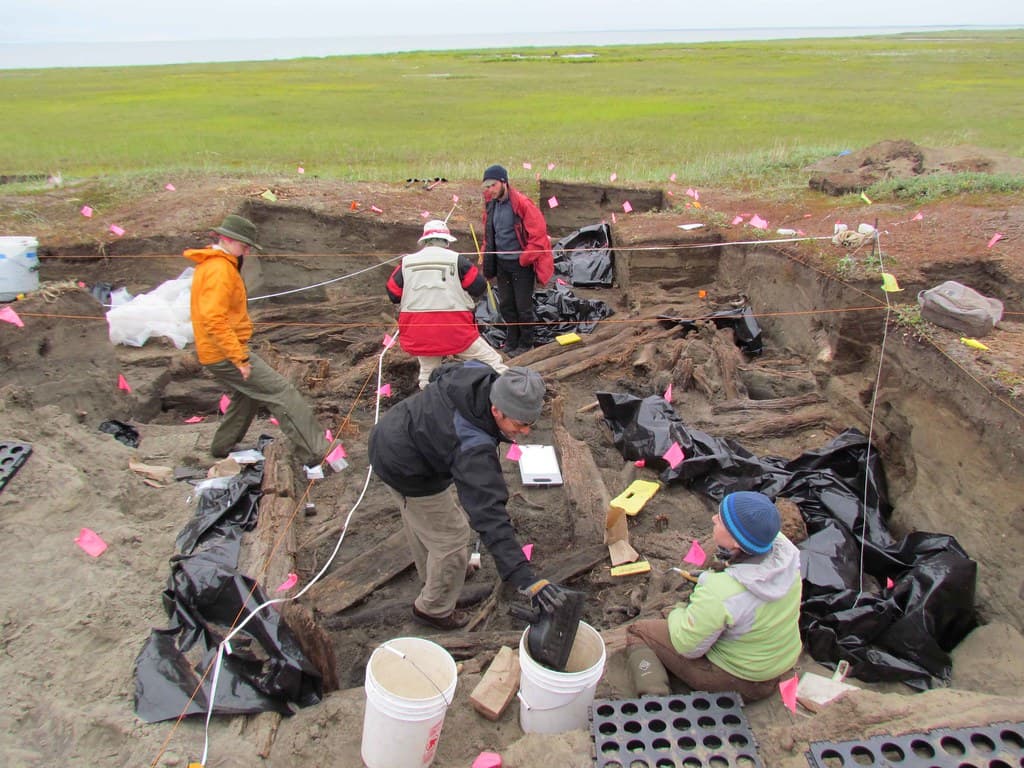 Credit: Flickr
Old House Uncovered
This isn't a beach for swimming or sunbathing. You come to witness geology in action, to understand how storm surges and sea ice have built 114 parallel ridges over millennia, each preserving tools, hearths, and stories of the people who lived here. The National Park Service protects this landscape, but you'll likely see only researchers and the occasional subsistence hunter. Temperatures hover near fifty degrees even in summer; pack layers and prepare for solitude.
Kotzebue, the gateway town twenty-five miles south, operates on Inupiaq time and rhythm. You charter a flight or arrange a boat when weather permits—there are no roads. Once you land, you're standing where ancestors monitored ice conditions and tracked seasonal migrations, where the beach itself is an archive written in stone and shells, constantly revised by the restless Arctic Ocean.


