
Counting the waves…
Counting the waves…
A refined fusion of water purity, environmental stability, and communal vibrancy for Ipiutak Beach.
View MethodologyAnalyzed via live sensors and environmental data.
Wave height, wind, and atmospheric stability.
Live footfall and crowd balance metrics.
Community reviews and curated sentiment.
“You'll feel the salt spray sting your cheeks as Arctic wind sweeps across cobblestone shingle and driftwood twisted silver by relentless tides. The beach at Point Hope stretches beneath cliffs where walrus hauled out…”
Limited recent visitor reports — live OBI telemetry is your best guide for current conditions.
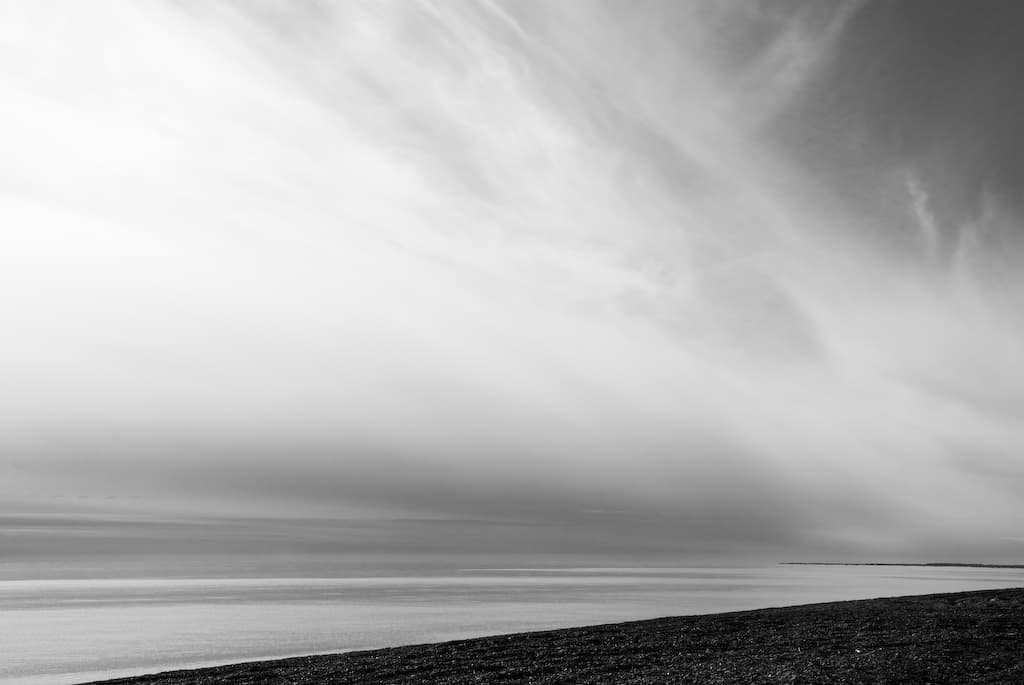
Ipiutak Beach unfolds along the narrow spit where Point Hope juts into the Chukchi Sea, a finger of land so far north that the sun refuses to set in summer and abandons the sky entirely come winter. You'll walk across stones smoothed by ice rather than sand, your boots crunching on kelp and the vertebrae of marine mammals that sustain the Iñupiat community still thriving here. The wind never stops—it shapes everything, from the driftwood sculptures piled against pressure ridges to the way you instinctively turn your face.
This is not a beach for swimming or sunbathing. You come for the humbling scale of the seascape, for ice floes drifting past in spring, for the possibility of spotting bowhead whales breaching offshore during their migration. The archaeological sites nearby—some of the oldest in Arctic Alaska—remind you that people have read these tides and hunted these waters for two thousand years. In autumn, the northern lights ripple green and violet above the surf.
Long-tail boats moored in clear water
Crystal lagoon with rocky outcrop
Spring breakup creates surreal seascapes
Driftwood and pressure ridge terrain
Bowheads pass spring and fall
Where it is
Ipiutak Beach
Point Hope, Alaska, USA
68.414000°, -166.448000°
Weather
Loading…
Swell
—
Temp
Warm · Restorative
UV Index
Moderate
Wind
—
Tidal State
Last known
Max Sunlight
—
Ideal Shade
—
May - Sep (Peak)
Jan - Dec (Off-season)
Historical data suggests peak visibility and stable sea temperatures occur during the prime visitation window.
Select a category to load nearby places.
Unlock restaurants, luxury stays and curated maritime experiences within 2km
Swimming at Ipiutak Beach is generally not recommended due to extremely cold Arctic Ocean temperatures that remain near freezing year-round, even in summer. The waters can cause hypothermia within minutes. Additionally, strong currents, unpredictable weather, and the remote location with no lifeguards or emergency services nearby make water activities risky. Visitors typically enjoy the beach for its scenic beauty, wildlife viewing, and cultural significance rather than swimming. Always check local conditions and never enter the water alone.
Summer months from June through August offer the most accessible conditions with 24-hour daylight, temperatures ranging from 35-50°F, and ice-free coastlines. This period provides the best opportunities for wildlife viewing and beach exploration. Winter brings extreme cold, total darkness in December, and challenging travel conditions. However, visiting during shoulder seasons offers unique experiences like the midnight sun or northern lights. Weather is unpredictable year-round, so prepare for wind, cold, and rapid changes regardless of season.
Point Hope is only accessible by air, with scheduled flights from Kotzebue on small aircraft operated by regional carriers. There are no roads connecting to other communities. Once in Point Hope village, Ipiutak Beach is within walking distance or a short drive. The community is small with minimal infrastructure, and parking isn't formalized but space is generally available near beach access points. Visitors should coordinate transportation and logistics with local contacts or tour operators before arrival.
Point Hope is a remote Iñupiat village with extremely limited visitor services. There are no hotels or restaurants catering to tourists. Lodging may be arranged through private home stays or by contacting the Native Village of Point Hope in advance. The village has a small store for basic supplies, but visitors should bring most provisions from Anchorage or Kotzebue. There are no amenities at the beach itself—no restrooms, shelters, or services. Plan completely self-sufficient visits with all necessary supplies.
Ipiutak Beach is named after the Ipiutak archaeological culture, whose major settlement site was discovered near Point Hope in 1939. This ancient people lived here approximately 2,000 years ago, and the site revealed remarkable artifacts including elaborate ivory carvings and unique burial practices. The area represents one of Alaska's most important archaeological discoveries, providing insights into ancient Arctic life. While artifacts are protected, the beach offers visitors a profound sense of walking through ancient Iñupiat territory with deep cultural significance.
Photos