

Counting the waves…
Counting the waves…
A refined fusion of water purity, environmental stability, and communal vibrancy for Teller Beach.
View MethodologyAnalyzed via live sensors and environmental data.
Wave height, wind, and atmospheric stability.
Live footfall and crowd balance metrics.
Community reviews and curated sentiment.
“You'll feel the salt spray carried on Arctic winds as you walk the black-sand shore where Norton Sound laps against Alaska's remotest coast. Seabirds wheel overhead, and in the distance, the Sawtooth Mountains cut…”
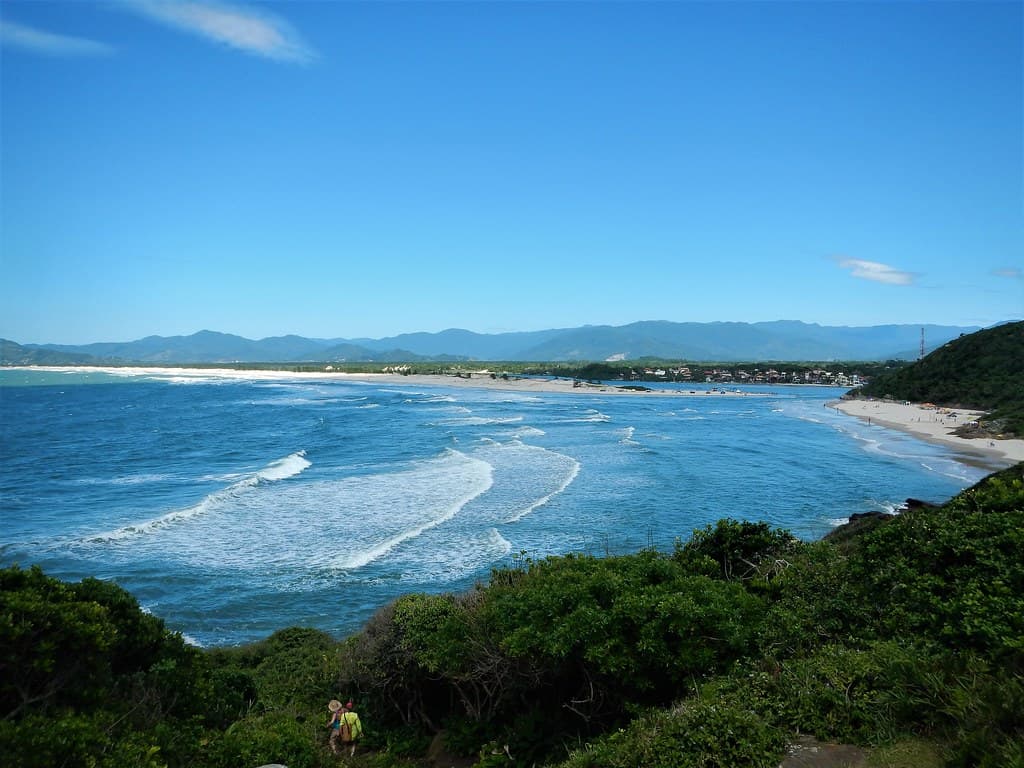
Limited recent visitor reports — live OBI telemetry is your best guide for current conditions.
Teller Beach stretches along Norton Sound's northern shore, 72 miles northwest of Nome, accessible only by small plane or winter ice road. You'll walk sand mixed with shale and pebbles, smoothed by the Bering Sea's relentless churn, while the wind—a constant companion here—carries the briny scent of kelp and the distant calls of murres nesting on offshore cliffs. The beach curves gently past the tiny village of Teller, population 250, where subsistence fishing nets dry on wooden racks and the rhythm of life follows the salmon runs and ice freeze.
This is not a beach for sunbathing. Summer temperatures hover in the fifties, and even in June, ice floes sometimes drift past the headlands. But what you trade in warmth, you gain in starkness: the Sawtooth Range rising to the south, their granite peaks dusted with permanent snow; the vast tundra rolling inland, spangled with wildflowers for six brief weeks; the horizon broken only by the occasional fishing skiff heading out for halibut.
Aerial view of turquoise tropical bay
Wide white-sand beach with footprints
Northern lights mirror in pools
June bloom carpets coastal plains
Murres nest on offshore rocks
Where it is
Teller Beach
Teller, Alaska, USA
65.264300°, -166.362000°
Weather
Loading…
Swell
—
Temp
Warm · Restorative
UV Index
Moderate
Wind
—
Tidal State
Last known
Max Sunlight
—
Ideal Shade
—
May - Sep (Peak)
Jan - Dec (Off-season)
Historical data suggests peak visibility and stable sea temperatures occur during the prime visitation window.
Select a category to load nearby places.
Unlock restaurants, luxury stays and curated maritime experiences within 2km
Swimming at Teller Beach is generally not recommended due to extremely cold water temperatures year-round, typically ranging from 32-50°F. The Bering Sea's frigid waters pose serious hypothermia risks within minutes of immersion. Strong currents and unpredictable weather can create hazardous conditions. The beach is better suited for walking, wildlife viewing, and photography rather than water activities. If you do enter the water, wear appropriate cold-water gear and never go alone. Always check local conditions and consult Teller residents about current safety concerns before visiting.
Summer months (June-August) offer the most accessible conditions with temperatures reaching 45-55°F, nearly 24-hour daylight, and calmer seas. This is prime time for wildlife viewing, including migrating seabirds and marine mammals. Winter brings extreme cold, darkness, and potential ice coverage, though adventurous visitors may witness spectacular northern lights and winter coastal landscapes. Spring and fall offer fewer crowds and unique seasonal transitions. Weather is unpredictable year-round, so prepare for wind, rain, and rapid changes regardless of season. The midnight sun in late June provides extraordinary photographic opportunities.
Teller is accessible only by air or sea, with no road connection to other communities. Bering Air operates regular flights from Nome (approximately 45 minutes). Once in Teller village, the beach is easily reached on foot or by ATV, as the community is small. There are no formal parking facilities or paved roads. Visitors typically walk from their lodging or park ATVs near beach access points. Plan transportation carefully, as weather can delay flights. Most visitors arrange their entire trip through Nome-based tour operators who coordinate flights and local logistics.
Teller is a remote village with very limited visitor infrastructure. There are no hotels, restaurants, or formal amenities. The small store carries basic supplies but has limited hours and inventory. Most visitors arrange homestays with local families or stay in rental cabins if available, which should be booked well in advance. Bring your own food and supplies from Nome or Anchorage. There are no ATMs or banking services. Cell phone service is limited. The community has around 250 residents, so respect local privacy and customs during your visit.
While Teller Beach sits on the Bering Sea relatively close to Russia, you cannot actually see the Russian mainland from here. Teller is about 90 miles from the nearest Russian territory across the Bering Strait. On exceptionally clear days, you might see distant islands, but atmospheric conditions rarely permit such visibility. The beach does offer stunning views across the Bering Sea and dramatic coastal landscapes. The proximity to the International Date Line and the sense of being at the edge of the continent creates a unique geographical experience, even without visible Russian shores.
Photos