
The trail drops 120 feet through sage and coyote brush, switchbacking twice before spilling you onto pale sand that stretches farther than any other beach in Big Sur. Driftwood logs—some as thick as your torso—lie scattered like fallen pillars, their surfaces sanded smooth by salt and time. You'll hear the surf before you see it: a low rumble that builds as waves stack up over the offshore reef, then collapse in white percussion along the shore.
“Big Sur's most expansive sand, where the continent meets the Pacific at its westernmost reach and winter storms sculpt a driftwood graveyard.”
 Credit: Flickr
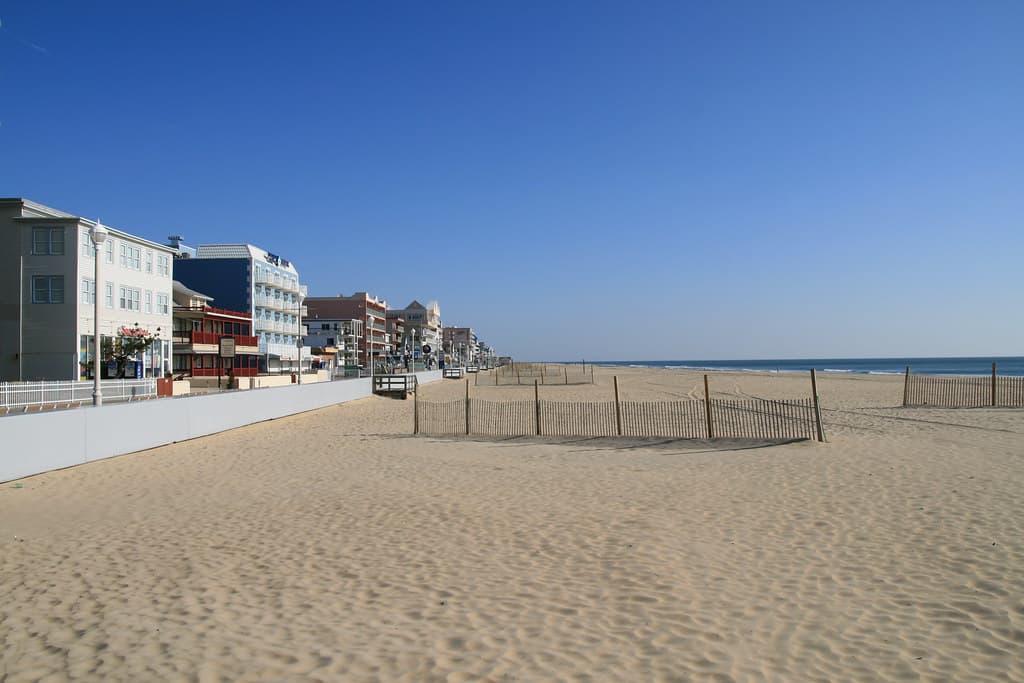
Ocean City, Maryland
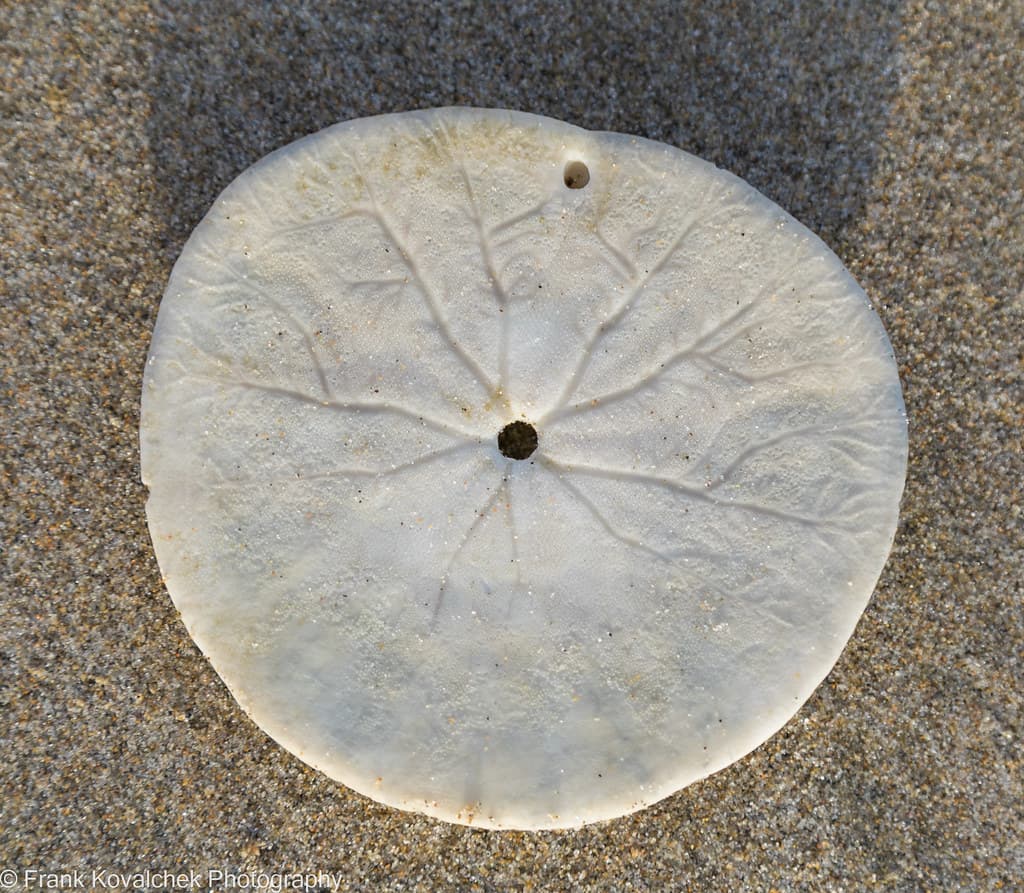
Midday light catches the spray as swells hit the outer break, and the wind carries the iodine scent of kelp beds mixing with the sharper note of crushed shells underfoot. Locals arrive at dawn with boards tucked under arms, studying the sets. By afternoon, families claim driftwood windbreaks while beachcombers trace the tide line, pockets filling with sand dollars bleached bone-white. The water stays cold year-round—fifty-five degrees even in August—so you'll want a wetsuit if you plan to do more than wade.
Stay through the golden hour and watch fog begin its creep over the Santa Lucia Range, rolling down ridges like slow-motion avalanches. The beach empties as shadows lengthen, leaving only the persistent surfers and the gulls wheeling overhead. Highway 1 hums faintly above the bluff, but down here, waves erase everything else.


