
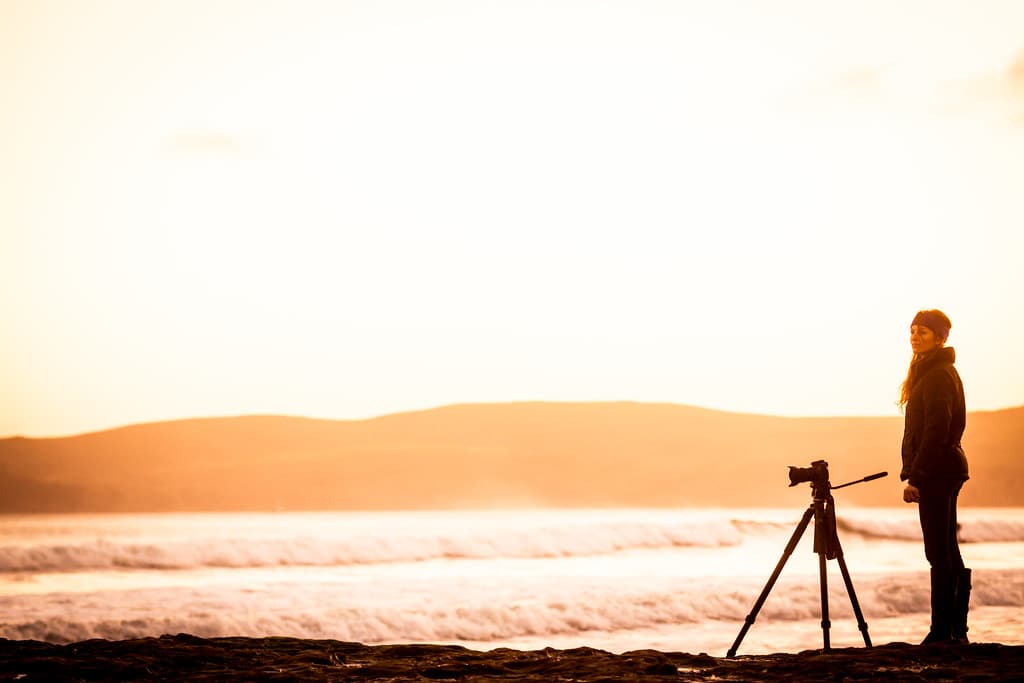
The first thing you notice at Drakes Beach isn't the surf but the silence—a hush that falls between the cliff face and the tideline, broken only by harbor seals barking offshore and cormorants drying their wings on rocks slick with kelp. The white sandstone escarpment behind you rises two hundred feet, a geological anomaly born when the Pacific Plate dragged this chunk of granite and marine sediment northward over twenty million years. Francis Drake may have careened his ship here in 1579; what's certain is that the same prevailing northwest winds that guided him still rake across this beach, carrying fog that turns the cliffs ghostly by mid-afternoon.
“The white cliffs are displaced geology—sandstone formed 80 million years ago hundreds of miles south and carried north by tectonic drift.”
 Credit: Flickr
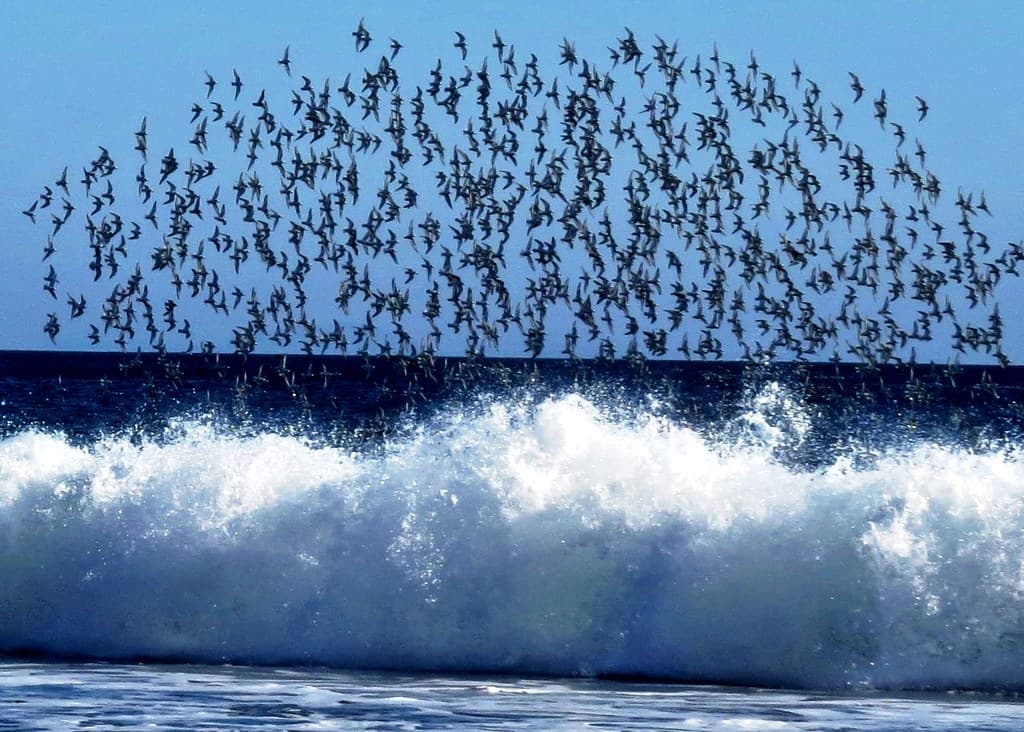
Sandpiper Shoreline
You'll walk the strand with cold sand giving way beneath your boots, scanning the wrack line for sand dollars and moon snail shells. Families cluster near the visitor center at the south end, but wander north and you'll find solitude even on summer weekends. The water stays numbingly cold year-round—fifty-two degrees in August—discouraging all but the wetsuit-clad.
Come at low tide when tide pools dimple the reef, or arrive as fog burns off to catch the cliffs in full sun. The beach cafe serves local oysters pulled from Drakes Estero, their brine a edible reminder that you're standing at the edge of a working wilderness, not a postcard.


