
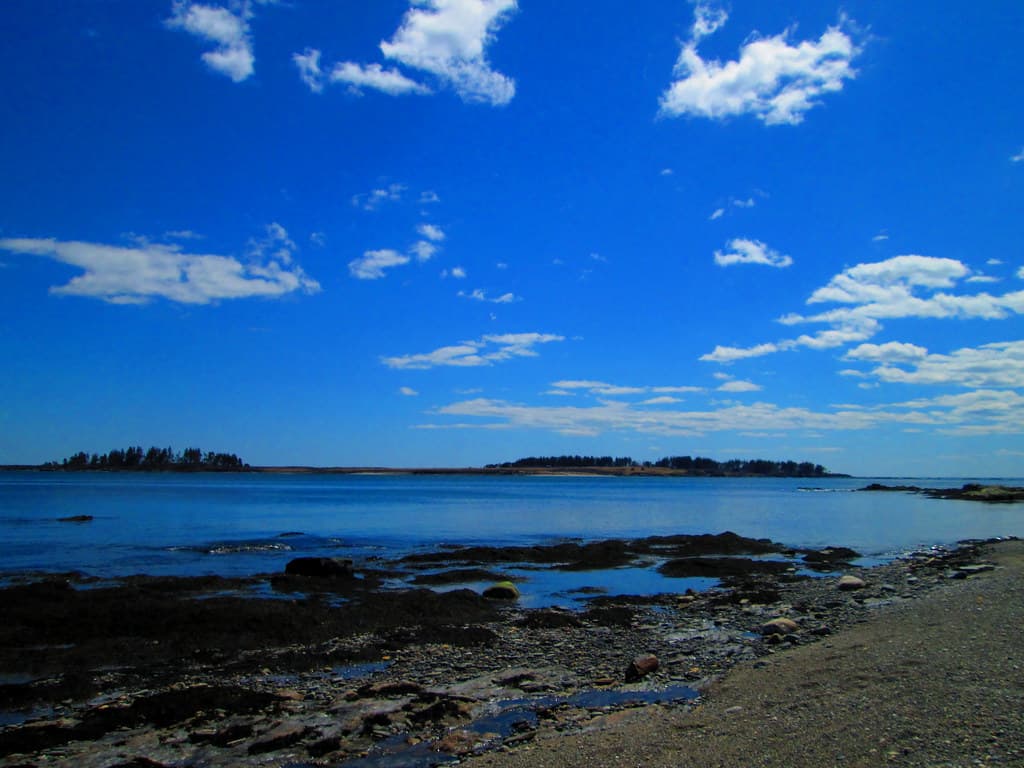
The staircase deposits you onto coarse golden sand no wider than a tennis court, hemmed in by craggy outcrops that glow rust-orange in late afternoon light. Locals claim the beach by seven a.m., towels staked near the north jetty where the rocks form natural armchairs above the waterline. You'll notice the silence first—no boardwalk hawkers, no volleyball nets—just the rhythmic slap of shore break and the occasional bark of a sea lion cruising the kelp beds fifty yards out.
“The horseshoe configuration creates a natural amphitheater where wave noise amplifies and morning fog lingers twenty minutes longer than neighboring beaches.”
 Credit: Flickr
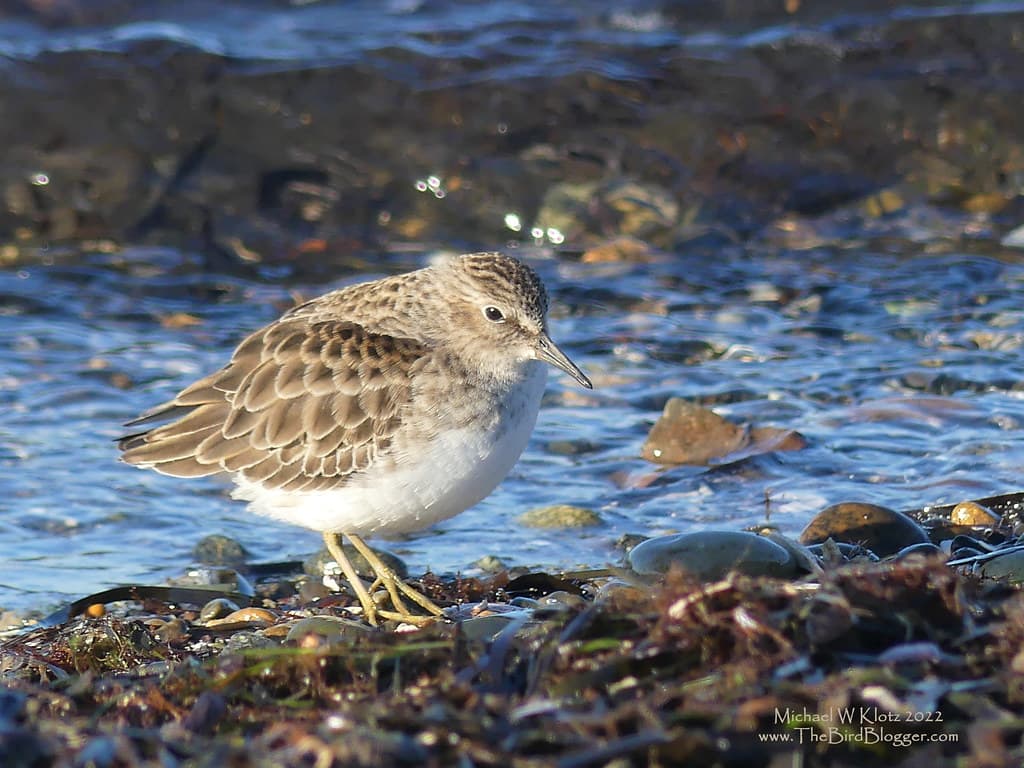
Least Sandpiper - Blackie Spit, BC
Snorkelers favor the south end, where submerged boulders create channels thick with garibaldi, California's neon-orange state fish. The water stays greenish-blue rather than tropical turquoise, cool enough in June to make you gasp on entry but clear to fifteen feet when swells calm. Low tide exposes a fringe of mussel-covered shelves; bring rubber-soled water shoes unless you enjoy barnacle scrapes.
By noon the cove fills with families who know to pack everything down those stairs—no snack shack, no rental stand, no restroom closer than the residential street above. Paddleboarders launch from the sand's midpoint, threading between the rock sentries toward open water. When the marine layer burns off, the bluffs frame a pocket of warmth that feels earned, not given, a reward for those willing to lug their cooler down sixty-three steps and back up again at dusk.


