
The Wedge exists because of an accident of engineering. When the west jetty was extended in the 1930s to protect Newport Harbor, it created a freak wave phenomenon: incoming south swells reflect off the granite and merge with the next incoming wave, forming peaks that rear up like liquid walls. On big summer south swells, you'll watch bodyboarders launch off lips taller than a two-story building, spinning through air thick with salt spray while onlookers gasp from the sand.
“The only beach in California where reflected wave energy regularly creates rideable thirty-foot closeouts mere yards from a spectator-packed shore.”
 Credit: Flickr
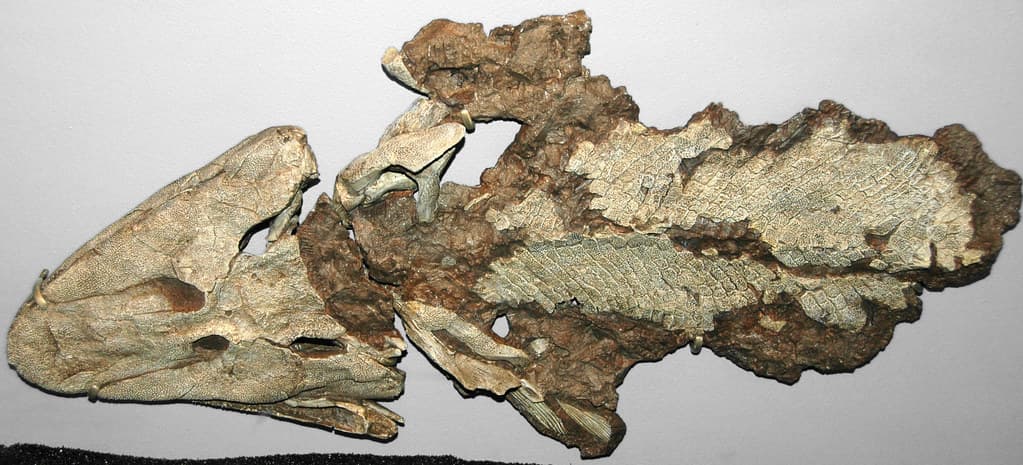
Tiktaalik roseae (fish to amphibian transitional fossil) (Fram Formation, Upper Devonian; Ellesmere Island, Arctic Canada) 1
The narrow crescent of beach fills with spectators during peak swells—August through September—turning the shore into an amphitheater of roaring water and snapping camera shutters. Between sets, you can walk to the jetty's base where barnacles cling to boulders and the smell of kelp mixes with sunscreen. The energy is tribal: coolers packed with ice, veteran wave-watchers narrating wipeouts, the unmistakable sound of foam exploding against rock.
When the swell drops, The Wedge becomes a different animal entirely—a mellow bay swim where families wade in bathwater-warm shallows. But the jetty remains, waiting. Locals check the buoy reports obsessively, knowing that somewhere in the South Pacific, the next groundswell is already marching north, ready to transform this sliver of sand into California's most photogenic proving ground.


