
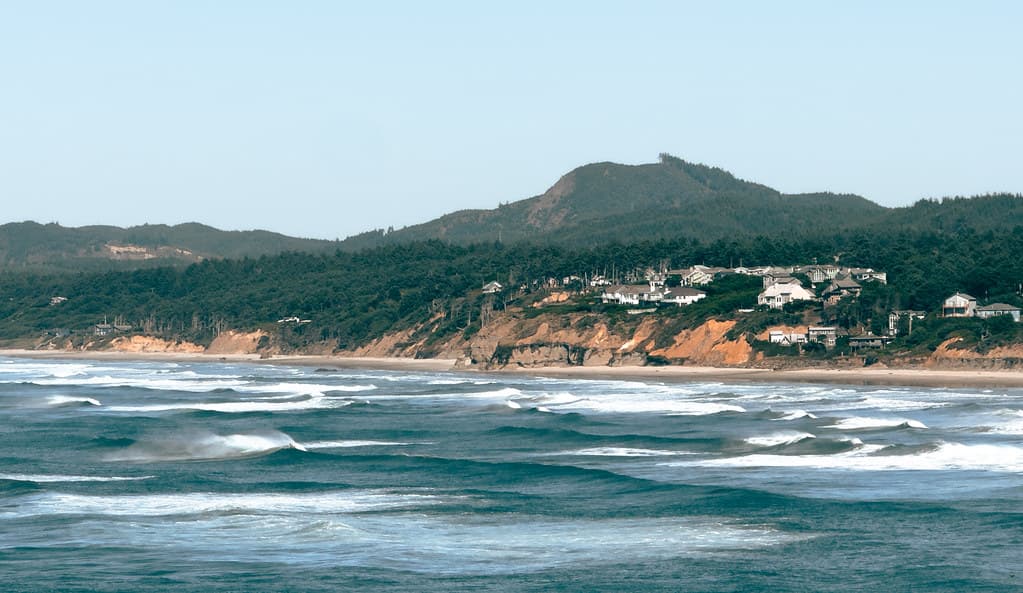
The staircase down from the parking pullout deposits you onto a narrow beach where the surf has been sorting stones for millennia. Your eyes adjust to the kaleidoscope underfoot: jade-green serpentine, rust-streaked jasper, milk-white quartz, and the namesake agates ranging from thumbnail-sized to palm-filling. The tide retreats twice daily to reveal tide pools stippled with ochre sea stars and purple urchins, while gray whales breach offshore during their spring and winter migrations.
“This is one of the few Northern California beaches where Yurok heritage, Roosevelt elk habitat, and world-class agate hunting converge on a single accessible shoreline.”
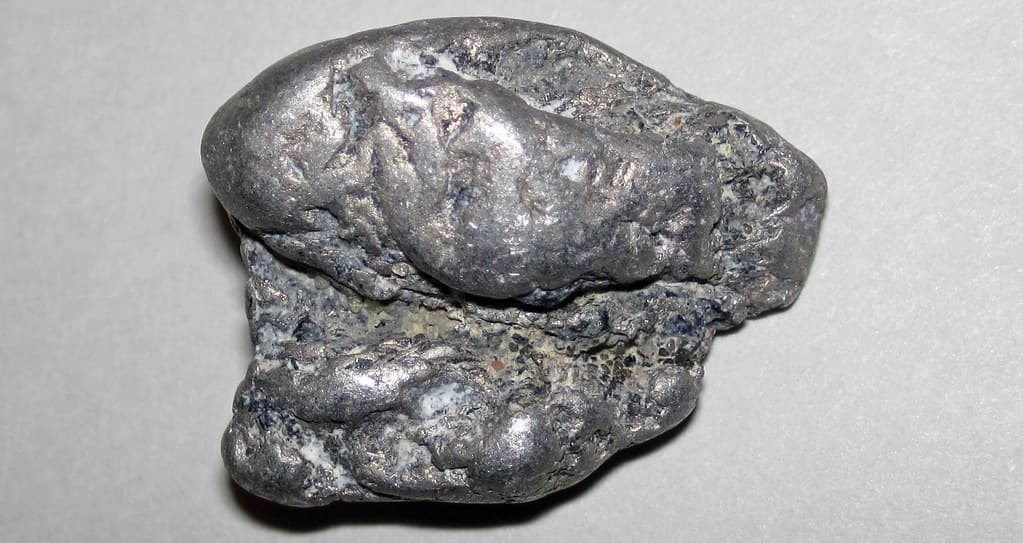 Credit: Flickr
Aluminum (Lake Superior shoreline, Upper Peninsula of Michigan, USA) 2
Above the beach, the Sue-meg village site—a Yurok ancestral place—reminds you this coastline has drawn people for thousands of years. Now a state park day-use area, the headland offers picnic tables where you can watch Roosevelt elk browse the coastal scrub, their tawny coats blending into the tawny grasses. Gulls wheel overhead, and the air tastes of salt and redwood sap carried down from the forests that begin just a mile inland.
The beach empties out by late afternoon even in summer, when fog rolls in and softens the edges of offshore rocks. You'll want sturdy shoes for the rocky shore, layers for the unpredictable weather, and a small bag for the stones that will inevitably follow you home—California law permits collecting a few pounds per person. Low tide exposes the widest stretch of hunting ground, and winter storms replenish the supply.


