
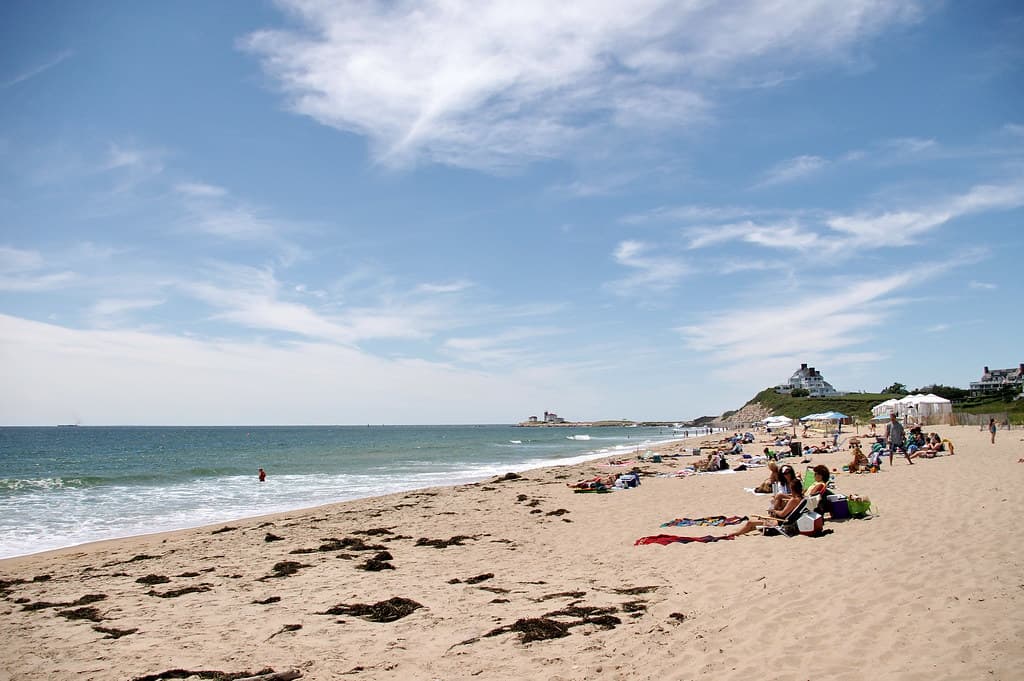
Watch Hill Beach unfurls in a gentle arc below the village's shingled mansions, where weathered beach roses cling to the dunes and sailboats tack across the sound toward Napatree Point. The sand here feels different underfoot—coarser than the powdery strands farther south, packed firm enough for barefoot walks when the tide pulls back. Families stake out spots near the pavilion, their striped umbrellas angled against the southwest breeze that keeps August afternoons bearable.
“One of the few New England beaches where a National Historic Landmark carousel sits steps from the tide line, its century-old horses still flying.”
 Credit: Pixabay
water watch, usa, america, california, beach, los angeles, venice beach, sand, pacific, pacific coast, nature, coast, west coast
The beach occupies a peculiar position in Stonington's geography, caught between the village's old-money discretion and the public access mandated by Connecticut law. You'll share the sand with day-trippers from Providence and New Haven, but also with multi-generational Watch Hill families whose great-grandparents summered in the same cottages. The water stays cool even in July—mid-sixties on a warm day—thanks to currents sweeping down from Block Island Sound.
Low tide reveals the beach's geological underpinnings: bands of slate and schist that stripe the nearshore like the pages of an open book. Sanderlings work these exposed flats in tireless sprints, chasing retreating waves for sand fleas. Behind you, the village maintains its studied reserve—no boardwalk, no arcades, just the carousel's painted horses rising and falling to their pneumatic organ, unchanged since Ulysses S. Grant was president.


