
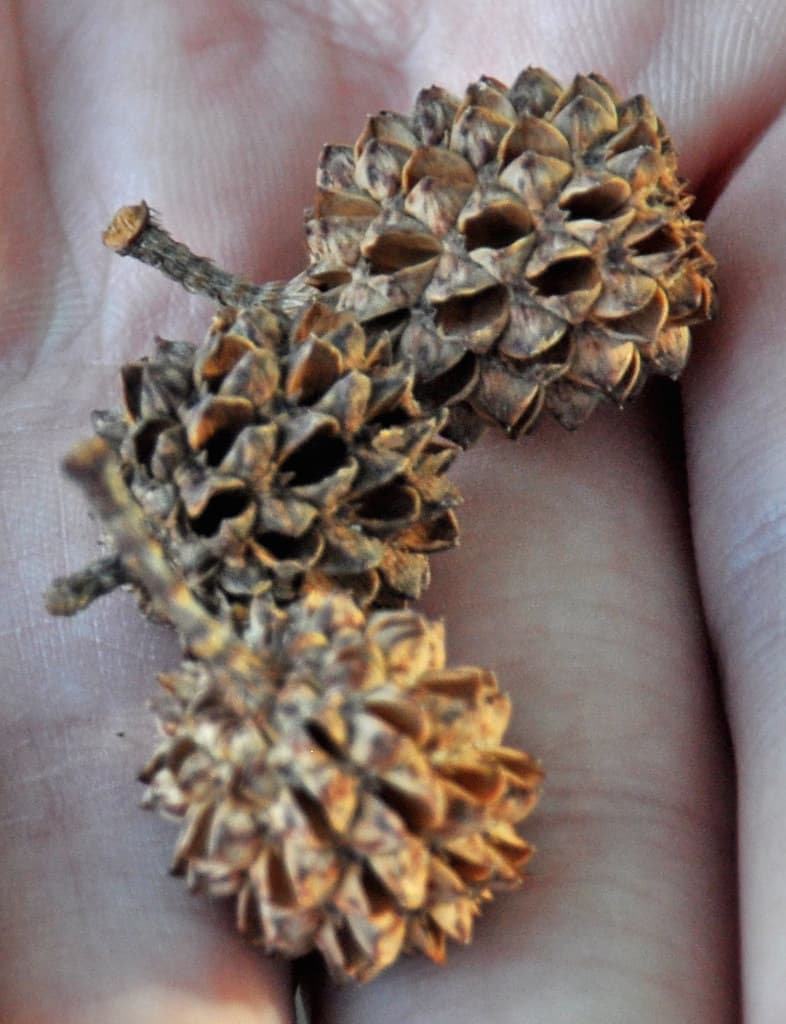
You reach the beach through a sandy clearing where Australian pines lean at improbable angles, their needles carpeting the approach. The shore itself is wide and forgiving, its gradient so gradual that wading out fifty feet still leaves you knee-deep in bathwater-warm Gulf water. Sandbars materialize and vanish with the lunar calendar, creating temporary lagoons where herons stalk mullet in the shallows.
“This is Captiva distilled: a democratic stretch where shelling, swimming, and sunset-watching unfold on a constantly reshaping canvas of sand and shell.”
 Credit: Flickr
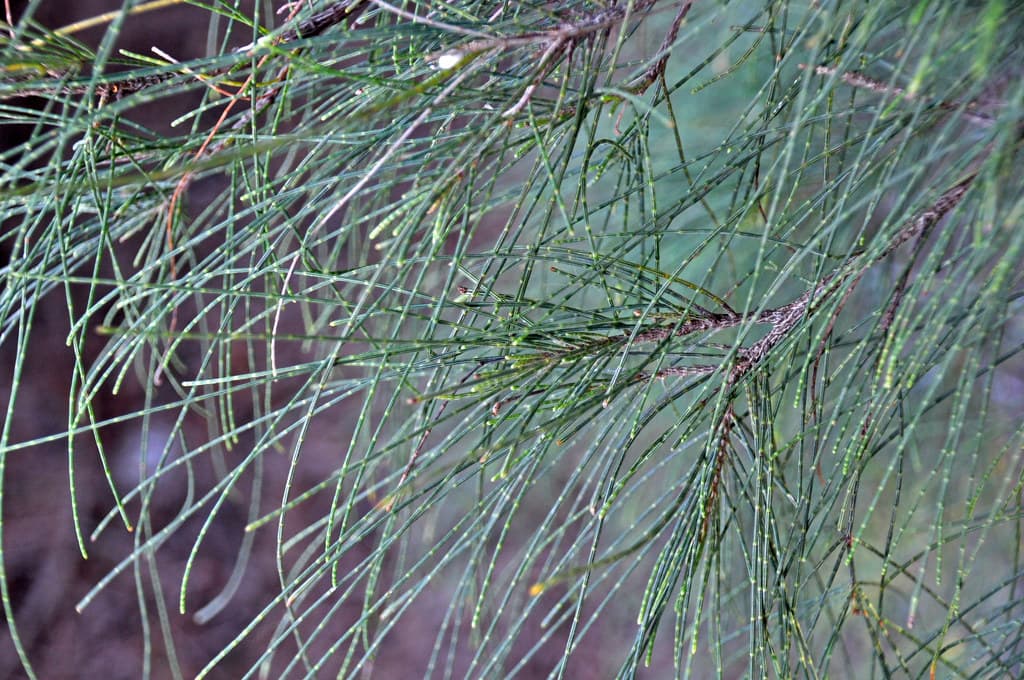
Casuarina equisetifolia (ironwood) (Captiva Island, Florida, USA) 2
This is Captiva's essential beachfront, the stretch that defines the island's unhurried character. Families stake out morning territory with umbrellas and coolers, while shell collectors work the tide line with the focused intensity of archaeologists. By afternoon, the light turns honey-thick, gilding the sea oats that punctuate the dune line and casting long shadows across sand rippled like corduroy.
Sunset draws the faithful—couples, solitary walkers, photographers with tripods—to witness the Gulf's nightly performance. The horizon swallows the sun in shades of persimmon and violet, while the first stars prick through the darkening east. You'll leave with sand in your shoes and salt on your skin, carrying the particular stillness that comes from watching water meet sky at the edge of a barrier island.


