
Pull into any of the angled parking spots along State Road A1A and you're ten steps from the tide line. The sand here runs rust-tinted from coquina shell fragments, and the shore slopes gently enough that toddlers wade while their parents unpack coolers on mismatched beach chairs. Surfers in faded wetsuits check the break near the pier's pilings, where swells bunch and peel with dependable shape. Pelicans skim the troughs. Salt hangs in the air thick enough to taste.
“One of the last unmanicured stretches of Northeast Florida shoreline where the highway, the sand, and the surf meet without a single condominium interrupting the sightline.”
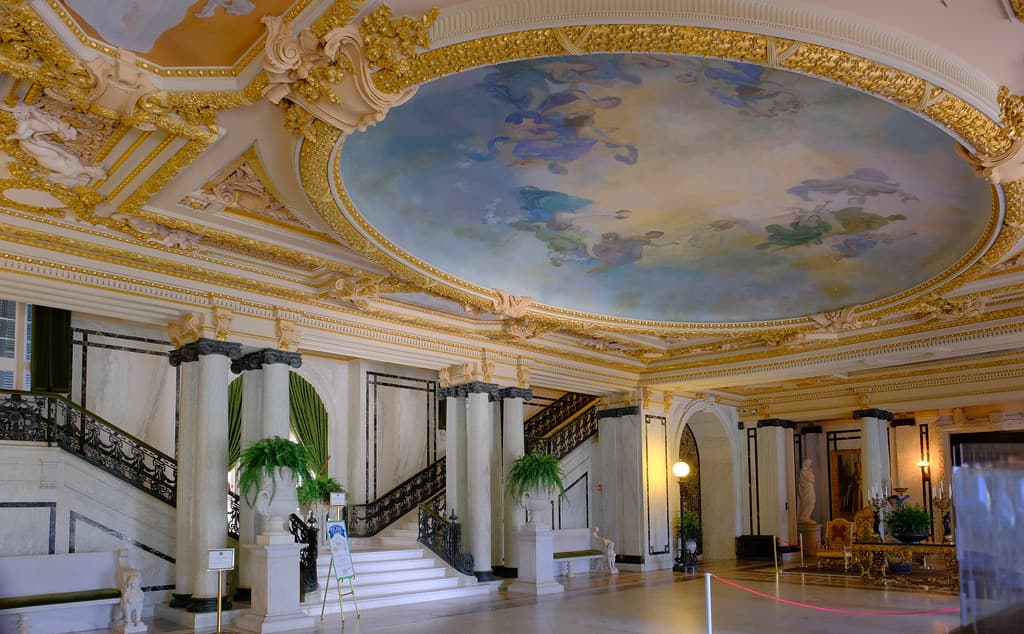 Credit: Flickr
Flagler Museum Palm Beach (5)
The town itself stretches thin and unhurried—a handful of blocks west of the highway, clapboard seafood shacks, a vintage arcade, surf shops selling wax and ding repair kits. You won't find cabanas for rent or tiki bars blasting Jimmy Buffett. Instead, locals prop fishing rods in PVC holders and crack open thermoses of coffee while the sun climbs over the Atlantic.
Come evening, the sky bruises purple and tangerine, best watched from the pier's end where tarpon fishermen reel in under the glow of overhead lamps. Families walk the hard-pack sand as the tide retreats, leaving ribbons of foam and scattered sand dollars. This is Florida's coast before the developers arrived—and somehow, it stayed that way.


