
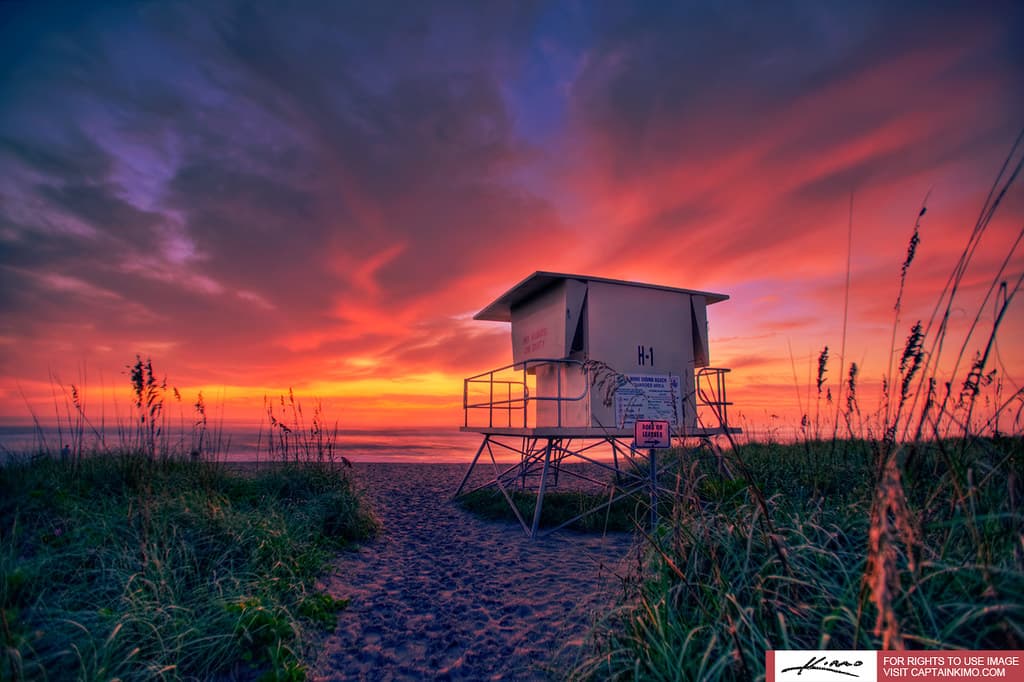
Hobe Sound Beach unfurls along a narrow barrier island, separated from the mainland by the Intracoastal Waterway and the pulse of U.S. Route 1. You'll park at modest public access points—no sprawling lots, no neon signage—and cross weathered dune walkovers to reach a shoreline that feels untamed. The Atlantic here is muscular: waves build over offshore sandbars, offering consistent breaks that attract surfers willing to read the tide charts and respect the locals already in the lineup.
“One of the last undeveloped barrier-island beaches on Florida's central Atlantic coast, protected by adjacent wildlife refuge lands.”
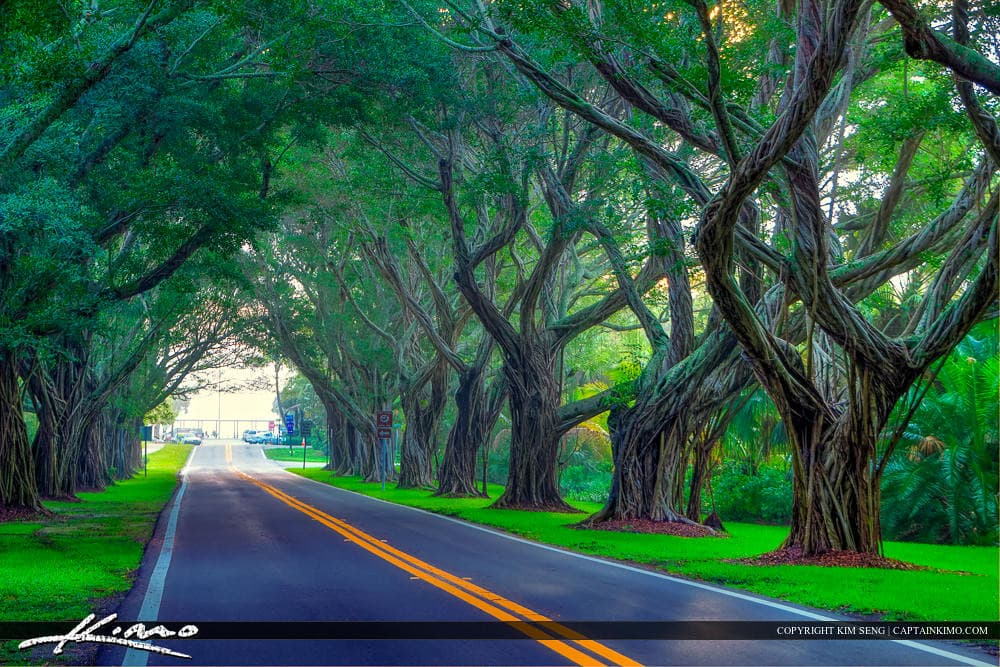 Credit: Flickr
Hobe Sound at Bridge Road with Tree Coverage to Beach
The shore itself is wide at low tide, revealing compacted sand ribbed by retreating water. Whelk shells and coquinas collect in the wrack line, and during summer evenings, you might spot the broad tracks of a loggerhead sea turtle returning to the ocean after nesting. The dunes behind you are protected, thick with salt-tolerant scrub and scattered cabbage palms that rattle in the onshore breeze.
Sunsets here are theatrical but unadorned—no tiki torches, no amplified music. The sky bruises purple over the water while pelicans skim the troughs between swells. You'll leave with sand in your shoes and salt on your skin, carrying the particular satisfaction of a Florida beach that hasn't been flattened into something easier to sell.


