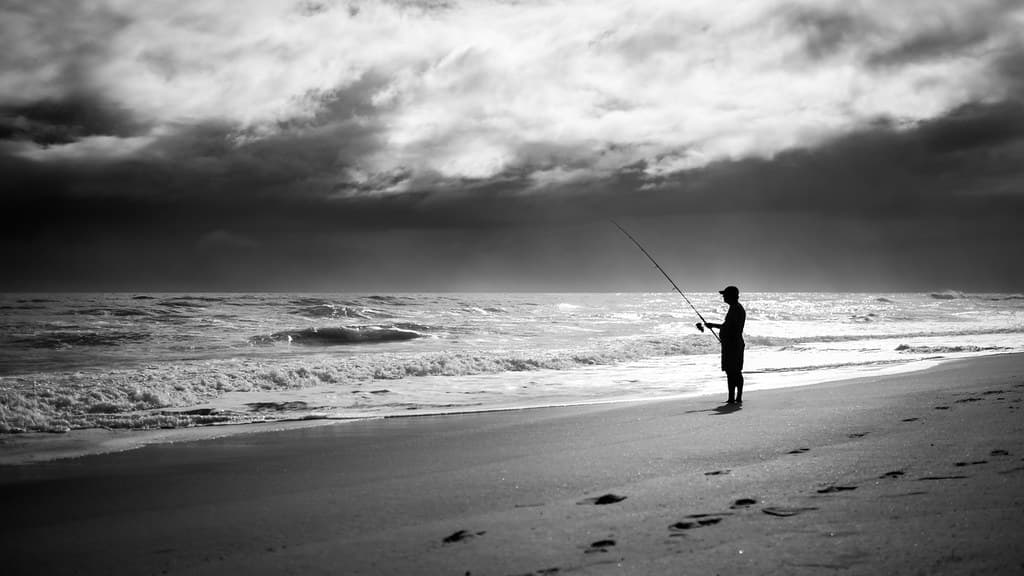
Counting the waves…
Counting the waves…
A refined fusion of water purity, environmental stability, and communal vibrancy for Sebastian Inlet State Park Beach.
View MethodologyAnalyzed via live sensors and environmental data.
Wave height, wind, and atmospheric stability.
Live footfall and crowd balance metrics.
Community reviews and curated sentiment.
“You'll hear the waves before you see them—the low rumble of swells wrapping around granite jetties, colliding with outgoing tidal current. Surfers dot the green water in the channel; tarpon roll just beyond the rocks.…”
Limited recent visitor reports — live OBI telemetry is your best guide for current conditions.
The inlet itself is a 500-foot breach connecting the Indian River Lagoon to the open ocean, and its two rock jetties create a natural funnel that shapes incoming swells into rideable walls. You'll watch longboarders carve down shoulder-high rollers on the north side while shortboarders attack steeper sections near the south jetty. The current is fierce—riptides are real here, especially on outgoing tides—so you'll want to stay aware of your position relative to the rocks.
Beyond the break, the beach itself stretches in both directions: hard-packed sand the color of wet cardboard, sea oats bending in the salt breeze, coquina shells crunching underfoot. Early mornings bring dolphin pods hunting mullet in the shallows. Sunset paints the jetties in amber and rose, and pelicans stack up on the granite, drying their wings. The park's three miles of Atlantic coastline feel remarkably uncommercialized—no high-rises, no beach clubs, just Australian pines and cabbage palms backing the dunes.
Person walking on a sand spit
Aerial view of turquoise tropical bay
Consistent swells near south jetty
Golden hour on granite rocks
Calm lagoon behind the inlet
Where it is
Sebastian Inlet State Park Beach
Melbourne Beach, Florida, USA
27.860800°, -80.447800°
Weather
Loading…
Swell
—
Temp
Warm · Restorative
UV Index
Moderate
Wind
—
Tidal State
Last known
Max Sunlight
—
Ideal Shade
—
May - Sep (Peak)
Jan - Dec (Off-season)
Historical data suggests peak visibility and stable sea temperatures occur during the prime visitation window.
Select a category to load nearby places.
Unlock restaurants, luxury stays and curated maritime experiences within 2km
Swimming conditions at Sebastian Inlet vary significantly by location. The inlet itself has strong currents, rip tides, and boat traffic, making it dangerous for swimming. However, the beaches on either side of the inlet offer safer swimming areas, particularly the north side near the jetty when conditions are calm. Always check posted flags and warnings before entering the water. The beach is extremely popular with surfers due to consistent waves, so be aware of surfboard traffic. Lifeguards are not always present, so swim cautiously and never alone.
Sebastian Inlet is a year-round destination with consistent conditions. For surfing, fall through spring (September to April) typically brings the best waves, with hurricane season (August-October) producing larger swells. Summer offers calmer seas ideal for families and swimming. Winter months provide cooler temperatures and fewer crowds, though water is chillier. Early morning visits offer the best lighting for photography and wildlife viewing, while sunsets are spectacular year-round. Weekdays are generally less crowded than weekends, especially during summer and spring break.
Sebastian Inlet State Park is located on State Road A1A, approximately 15 miles south of Melbourne Beach and 10 miles north of Vero Beach. The park has multiple parking areas on both the north and south sides of the inlet. There is an entrance fee of $8 per vehicle (prices subject to change). Parking fills quickly on weekends and holidays, especially near the popular surfing spots by the jetties. Arriving early morning is recommended for securing a spot. The park is easily accessible by car, with clear signage from A1A.
The park has a small concession stand offering basic snacks, drinks, and light meals, though hours vary seasonally. The marina-side restaurant provides more substantial dining options with waterfront views. Facilities include restrooms, outdoor showers, picnic areas, and a camp store. For more extensive dining and lodging, nearby communities like Melbourne Beach, Vero Beach, and Sebastian offer numerous restaurants, hotels, and vacation rentals within a 10-20 minute drive. Many visitors bring coolers and picnic supplies for all-day beach visits.
Sebastian Inlet's unique geography creates exceptional surfing conditions rarely found in Florida. The inlet's jetties and sandbars generate consistent, well-formed waves year-round, making it one of the most reliable surf breaks on the East Coast. The area produces both left and right breaks suitable for various skill levels. First Peak near the north jetty is particularly famous among experienced surfers. The inlet has hosted numerous surfing competitions and produced several professional surfers. Even when other Florida beaches are flat, Sebastian Inlet often has rideable waves.
Photos