
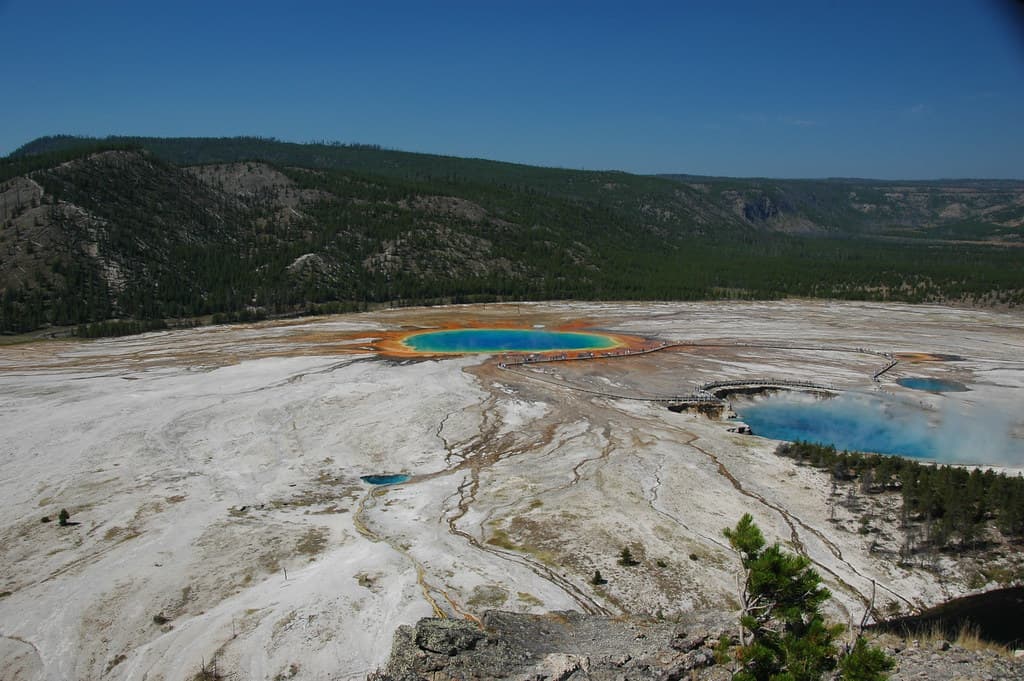
Tucked into the westernmost reach of the Gulf Islands National Seashore, Opal Beach feels like the Panhandle before the high-rises arrived. You'll cross a low wooden boardwalk through coastal scrub—saw palmetto, rosemary, and gnarled live oak—before the sand opens up in a wide, wind-smoothed crescent. The grains are so fine and pale they cool quickly in the shade, and the water glows jade-green in the shallows, deepening to cobalt where sandbars drop off.
“It's one of the few Gulf Islands beaches where federal protection keeps the shoreline undeveloped and crowd-free year-round.”
 Credit: Flickr
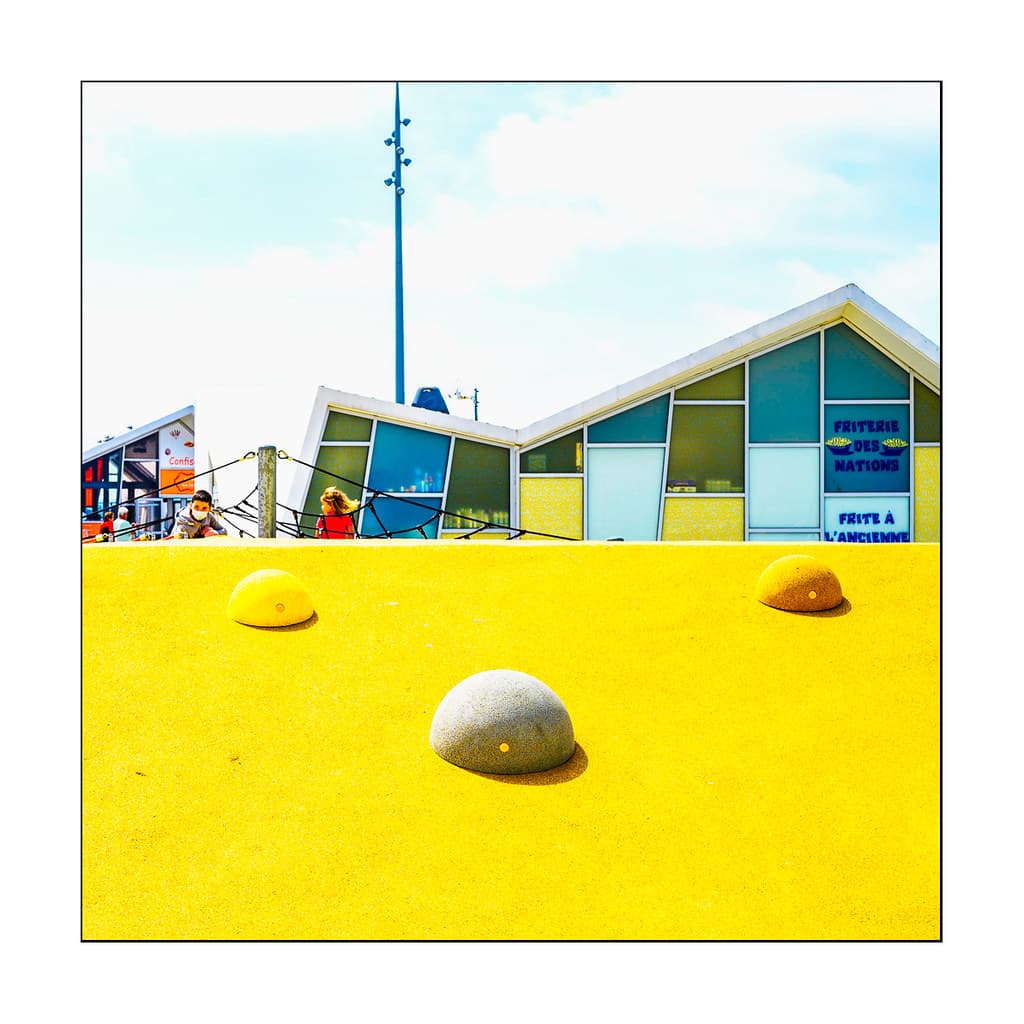
Clic Clac, Kodak. Souvenir d'une journée à la mer / Clic Clac, Kodak. Memory of a day at the sea
Because there are no hotels looming behind you, the beach holds a quiet you don't expect this close to Pensacola. Gulls and terns work the tideline. In the afternoon, the wind picks up and kiteboarders rig their gear near the jetty. By evening, the sun sinks behind the dunes in bands of tangerine and plum, and the handful of beachgoers still there spread blankets and open thermoses.
You'll find a single bathhouse, a few picnic shelters, and little else. The lack of infrastructure is the point. Opal remains undeveloped because it sits within protected federal land, which means the dunes stay tall, the sea oats sway uncut, and the stretch of sand between you and the next umbrella stays reassuringly wide.


