Counting the waves…
Counting the waves…
A refined fusion of water purity, environmental stability, and communal vibrancy for Cape San Blas.
View MethodologyAnalyzed via live sensors and environmental data.
Wave height, wind, and atmospheric stability.
Live footfall and crowd balance metrics.
Community reviews and curated sentiment.
“Your footprints sink into sand so fine it squeaks underfoot. The peninsula curves west into water that shifts from pale mint to deep teal as sandbars shelve away beneath the surface. By late afternoon, the sun hangs low…”
Limited recent visitor reports — live OBI telemetry is your best guide for current conditions.
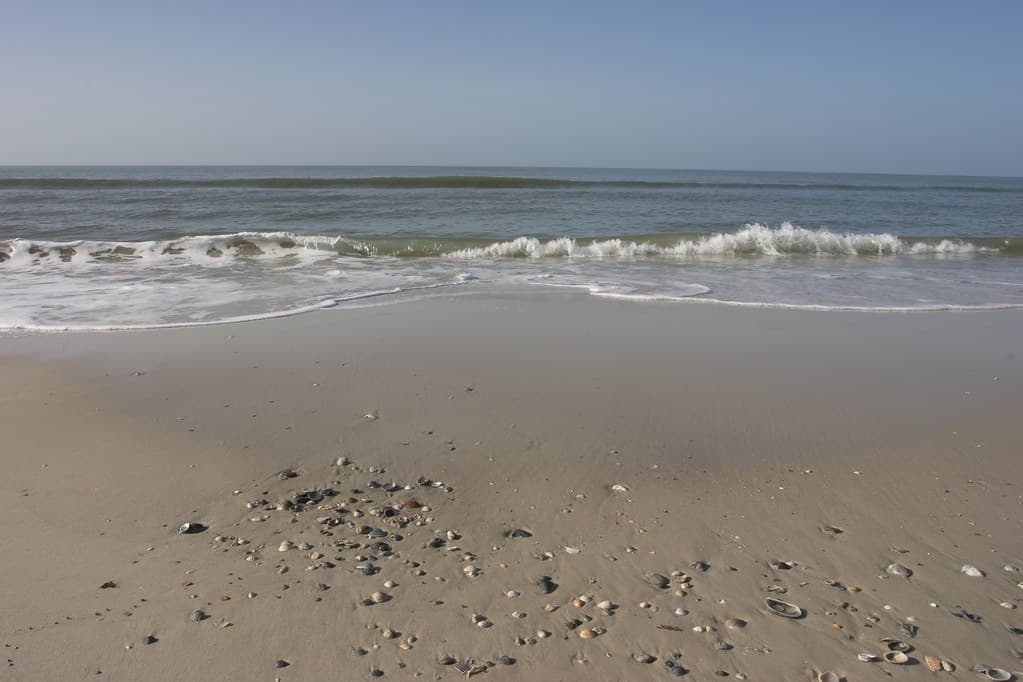
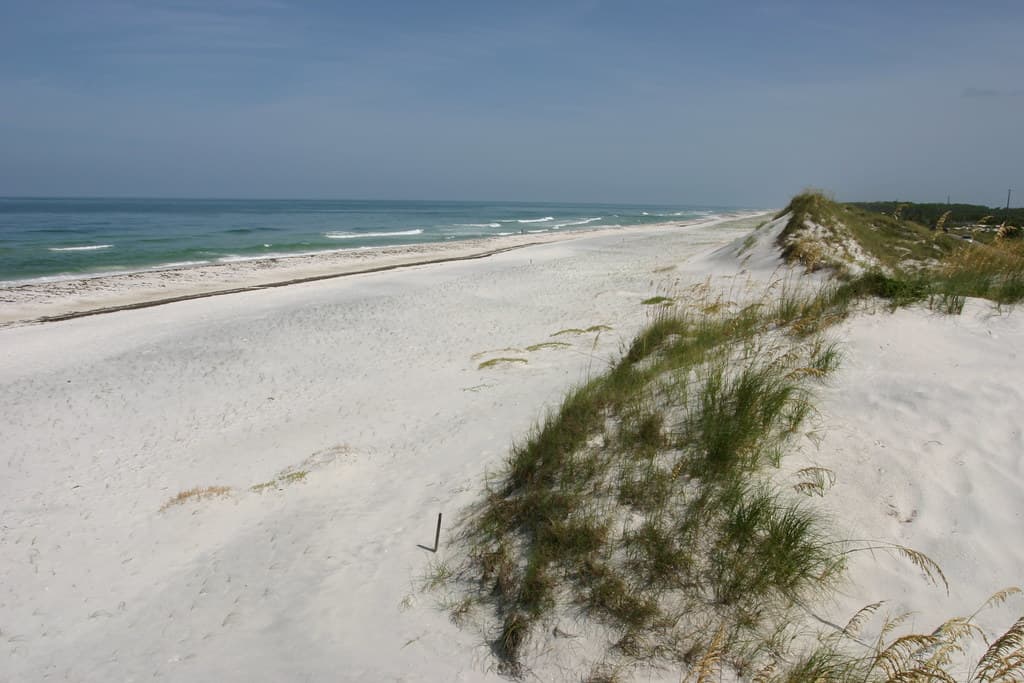
You'll drive the length of Cape San Blas on a two-lane road that hugs the shoreline, watching beach houses on stilts give way to scrub palmettos and stretches where no one has built anything at all. The sand here is pulverized quartz, blindingly white and cool underfoot even at midday, sloping gently into water so clear you can count the ridges on scallop shells six feet down. Sandbars emerge at low tide, creating shallow lagoons where children wade waist-deep a hundred yards from shore.
The cape's geography creates two waterfront experiences: Gulf side for rolling waves and open horizon, bay side for glassy calm and wading birds stalking the flats. Mid-peninsula, T.H. Stone Memorial St. Joseph Peninsula State Park protects eight miles of undeveloped shoreline where sea oats bend in the offshore breeze and loggerhead nests are marked with yellow tape each summer. You'll pass maybe a dozen people on an afternoon walk.
Knee-deep water stretches for yards
Gulf then bay in thirty minutes
Glassy flats and zero current
Where it is
Cape San Blas
Port St. Joe, Florida, USA
29.685000°, -85.357800°
Weather
Loading…
Swell
—
Temp
Warm · Restorative
UV Index
Moderate
Wind
—
Tidal State
Last known
Max Sunlight
—
Ideal Shade
—
May - Sep (Peak)
Jan - Dec (Off-season)
Historical data suggests peak visibility and stable sea temperatures occur during the prime visitation window.
Select a category to load nearby places.
Unlock restaurants, luxury stays and curated maritime experiences within 2km
Cape San Blas generally offers calm, shallow waters ideal for swimming, especially for families with children. The Gulf waters here are typically gentler than ocean beaches, with gradual depth increases. However, always check local flag warning systems before entering the water. Red flags indicate dangerous conditions, while yellow signals moderate surf and currents. Occasionally, rip currents can develop, so swim near lifeguarded areas when available and stay aware of posted conditions. Jellyfish may be present seasonally, particularly in summer months.
Cape San Blas enjoys pleasant weather year-round, though each season offers different advantages. Spring (March-May) and fall (September-November) provide warm temperatures, fewer crowds, and lower accommodation rates. Summer (June-August) brings hot weather perfect for swimming but also peak crowds and higher prices. Winter (December-February) offers mild temperatures in the 60s-70s°F, ideal for beachcombing and peaceful walks, though water may be too cool for extended swimming. Hurricane season runs June through November, with September-October being peak months.
Cape San Blas is located about 20 miles south of Port St. Joe via Highway 30E. The nearest major airport is Northwest Florida Beaches International Airport (ECP) in Panama City, approximately 45 minutes away. Parking is available at several public beach access points along Cape San Blas Road, including T.H. Stone Memorial St. Joseph Peninsula State Park, which charges a per-vehicle entrance fee. Free public parking areas exist at various beach access points, though spaces fill quickly during peak season. Most vacation rentals include dedicated parking.
Cape San Blas is relatively undeveloped, so dining and shopping options are limited directly on the peninsula. A few small markets, casual eateries, and an Indian Pass Raw Bar serve the area. Most visitors stock groceries in Port St. Joe before arriving. Lodging consists primarily of vacation rental homes and condos rather than hotels. Basic beach amenities like restrooms and outdoor showers are available at public access points and St. Joseph Peninsula State Park. The park also offers camping facilities. Many visitors appreciate the peaceful, uncommercialized atmosphere.
Yes, Cape San Blas is an excellent location for bay scallop harvesting during Florida's scalloping season, typically running from late June through September in Gulf County waters. The shallow grass flats on the bay side of the peninsula provide ideal scalloping habitat. You'll need a Florida saltwater fishing license and must follow daily bag limits (2 gallons of whole scallops per person or 1 pint of scallop meat). Snorkeling gear is essential, as scallops are found in shallow seagrass beds. Check current season dates and regulations before planning your trip.