Counting the waves…
Counting the waves…
A refined fusion of water purity, environmental stability, and communal vibrancy for Altamaha River Mouth Beach.
View MethodologyAnalyzed via live sensors and environmental data.
Wave height, wind, and atmospheric stability.
Live footfall and crowd balance metrics.
Community reviews and curated sentiment.
“You'll smell the Altamaha before you see it—salt marsh and river water mingling in the heavy coastal air. This is where Georgia's mightiest waterway meets the ocean across a wild, ever-shifting sand spit accessible only…”
Limited recent visitor reports — live OBI telemetry is your best guide for current conditions.
The boat ride from Darien threads through a labyrinth of spartina grass and winding channels, the marsh giving way to open water as you approach the river mouth. When you step onto the sand, you're standing at the frontier between freshwater and salt, where the Altamaha's brown current collides with Atlantic tides in visible swirls and eddies. Driftwood sculptures—bleached oak and cypress limbs—litter the upper beach like abstract art installations, deposited by storms and spring floods.
The beach itself refuses to sit still. Sandbars emerge and vanish with lunar regularity; channels deepen and fill; what was navigable last month may be dry ground today. You'll watch dolphins hunting in the surf line, their dorsals cutting through the merger of river and sea. Ospreys dive for mullet. Fiddler crabs scuttle across wet sand at low tide, and if you're quiet at dusk, you might spot the ears of a white-tailed deer picking its way along the dune line.
Paddle the Delta
Photograph Driftwood
Navigate tidal creeks and channels
Storm-sculpted cypress and oak logs
Track shifting sandbars at low
Where it is
Altamaha River Mouth Beach
Darien, Georgia, USA
31.365500°, -81.279400°
Weather
Loading…
Swell
—
Temp
Warm · Restorative
UV Index
Moderate
Wind
—
Tidal State
Last known
Max Sunlight
—
Ideal Shade
—
May - Sep (Peak)
Jan - Dec (Off-season)
Historical data suggests peak visibility and stable sea temperatures occur during the prime visitation window.
Select a category to load nearby places.
Unlock restaurants, luxury stays and curated maritime experiences within 2km
Swimming at Altamaha River Mouth Beach requires caution due to strong tidal currents where the river meets the ocean. The mixing waters can create unpredictable conditions and undertows. There are no lifeguards on duty at this remote beach. The water clarity varies depending on river discharge and tides. Many visitors prefer wading in shallow areas or simply enjoying the scenery rather than swimming. Always check tide schedules before visiting and never swim alone. The beach is better suited for beachcombing and wildlife viewing than serious swimming.
Spring (March-May) and fall (September-November) offer the most comfortable weather with mild temperatures and fewer insects. Summer brings heat, humidity, and biting flies that can be intense. Winter months are quieter with cooler temperatures but pleasant for beachcombing. Low tide is ideal for exploring tidal flats and observing wildlife. Early morning visits provide the best light for photography and bird watching. The beach is accessible year-round, but conditions vary seasonally. Consider visiting during weekdays to avoid any weekend crowds at this hidden gem.
Access to Altamaha River Mouth Beach typically requires a boat, as there's no direct road access to the river mouth area. Most visitors launch from boat ramps in Darien or nearby marinas along the Altamaha River. Altamaha Park in Darien offers boat ramp access with parking facilities. Some visitors arrange guided boat tours or kayak trips from local outfitters. The beach is part of a coastal barrier island system, making watercraft the primary access method. Check with Darien Welcome Center for current access information and local guide recommendations.
Darien, approximately 10 miles inland, offers several dining options including seafood restaurants featuring local shrimp and fish. Lodging options in Darien include small hotels, bed and breakfasts, and vacation rentals. There are no facilities, restrooms, or amenities at the beach itself, so bring all supplies. Nearby communities like St. Simons Island and Jekyll Island, roughly 30-45 minutes away, provide more extensive dining and accommodation choices. Plan to bring water, snacks, and sun protection for your beach visit, as services aren't available on-site.
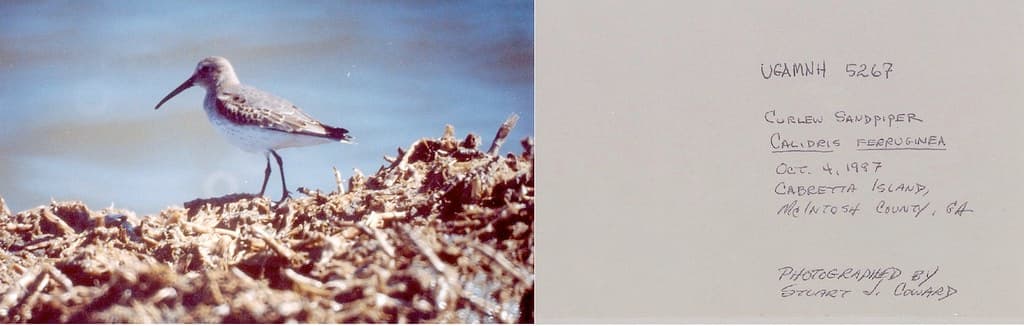
The Altamaha River delta is exceptionally rich in wildlife. Visitors commonly spot bottlenose dolphins, various shorebirds, and wading birds including herons and egrets. The area serves as critical habitat for nesting sea turtles in summer months. Manatees occasionally appear in warmer months. The mixing of river and ocean waters attracts diverse fish species. Marsh areas surrounding the beach support alligators, so maintain safe distances. Bird watchers particularly appreciate the variety of species during migration seasons. The pristine estuary ecosystem makes this one of Georgia's most important wildlife areas.
Photos