
Counting the waves…
Counting the waves…
A refined fusion of water purity, environmental stability, and communal vibrancy for Long Tabby Beach.
View MethodologyAnalyzed via live sensors and environmental data.
Wave height, wind, and atmospheric stability.
Live footfall and crowd balance metrics.
Community reviews and curated sentiment.
“You'll cross the Duplin River aboard a small passenger ferry, watching ospreys fish the marsh creeks, before stepping onto Sapelo Island's wild eastern shore. Long Tabby Beach stretches for miles beneath canopies of sea…”
Limited recent visitor reports — live OBI telemetry is your best guide for current conditions.
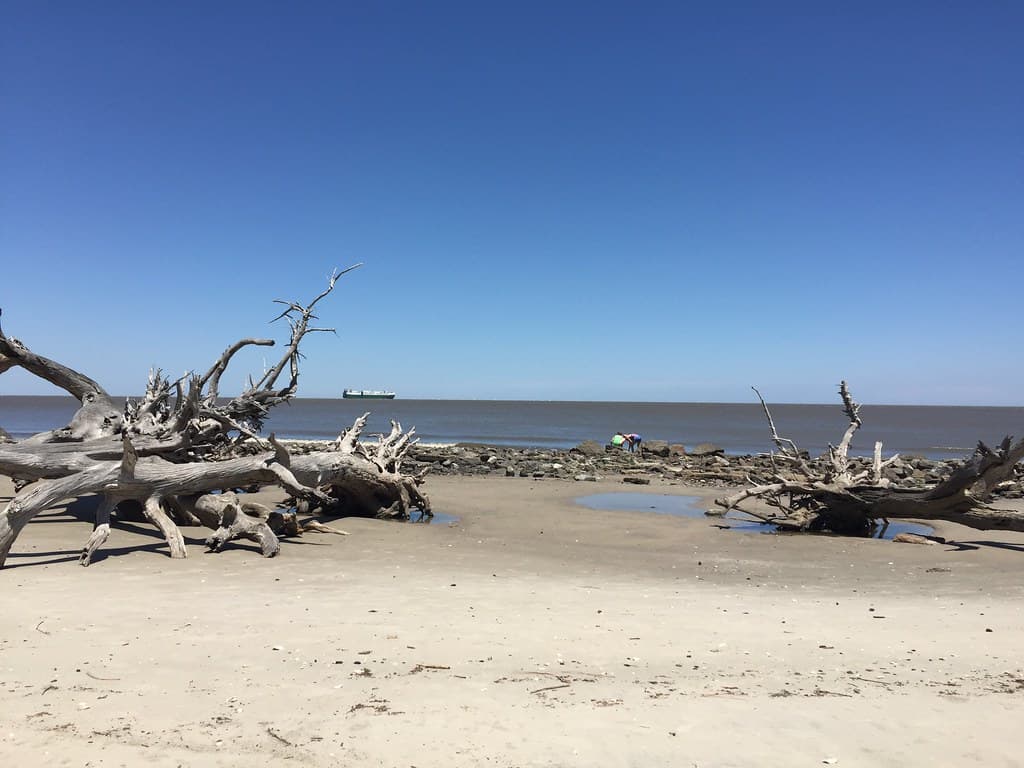
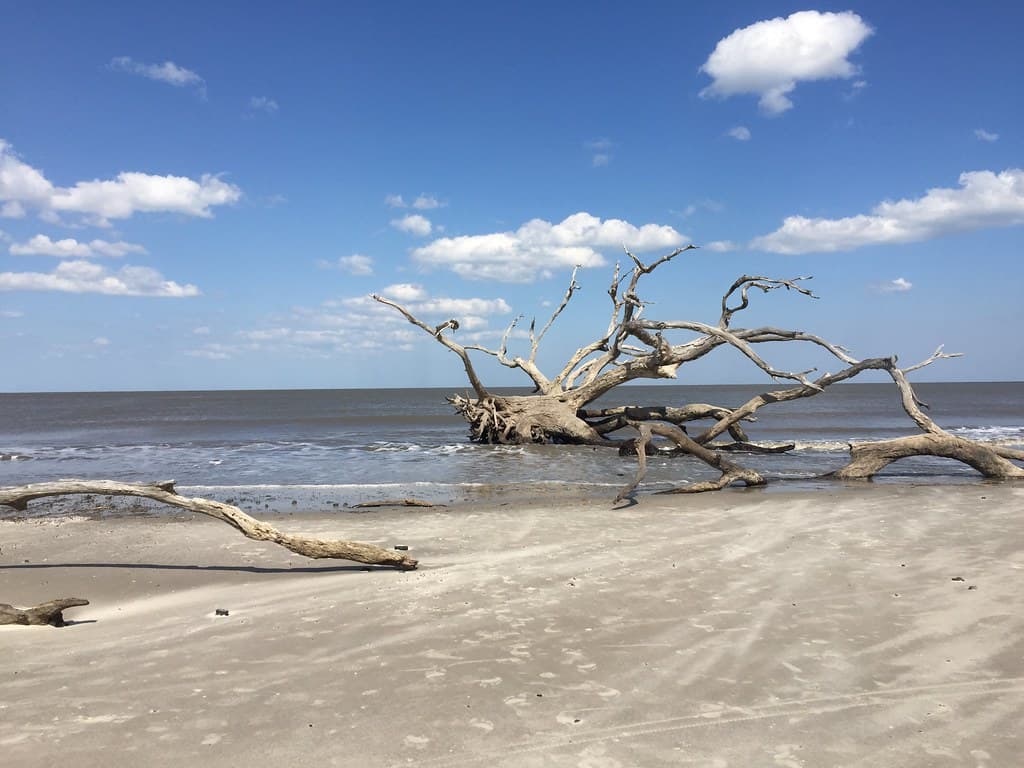
The 30-minute ferry ride from Meridian Landing sets the tone: no cars permitted, no bridge, no crowds. You arrive at Sapelo Island's dock and cross through maritime forest and salt marsh to reach Long Tabby Beach, where the Atlantic meets six miles of unbroken sand. The beach takes its name from the tabby ruins—a concrete made from oyster shells, lime, and sand—that occasionally surface near the dunes, ghostly traces of 19th-century structures reclaimed by wind and tide.
You'll walk for an hour without encountering another soul, watching laughing gulls ride thermals above the surf line and ghost crabs dart into their burrows. The sand firms at low tide, perfect for beachcombing expeditions that turn up olive shells, sand dollars, and the odd piece of driftwood sculpted silver by salt. Bottle-nosed dolphins patrol the nearshore waters, and if you're here between May and August, loggerhead turtles nest along these same stretches.
Credit: FlickrPhotograph Tabby Ruins
Oyster-shell concrete weathered by tides
Whelk shells and driftwood treasures
Strong currents—stay near shore
Where it is
Long Tabby Beach
Sapelo Island, Georgia, USA
31.457900°, -81.238800°
Weather
Loading…
Swell
—
Temp
Warm · Restorative
UV Index
Moderate
Wind
—
Tidal State
Last known
Max Sunlight
—
Ideal Shade
—
May - Sep (Peak)
Jan - Dec (Off-season)
Historical data suggests peak visibility and stable sea temperatures occur during the prime visitation window.
Select a category to load nearby places.
Unlock restaurants, luxury stays and curated maritime experiences within 2km
Swimming at Long Tabby Beach is generally safe, but exercise caution with strong currents and changing tides common along Georgia's barrier islands. The beach is relatively remote with no lifeguards on duty. Check tide schedules before swimming and stay close to shore. The Atlantic waters are warmest May through September. Since the island has limited emergency services, supervise children closely and avoid swimming alone. Wildlife like jellyfish may be present seasonally, particularly in summer months.
Long Tabby Beach is accessible year-round, with each season offering distinct experiences. Spring (April-May) and fall (September-October) provide mild temperatures, fewer crowds, and excellent conditions for beachcombing and wildlife watching. Summer brings warm swimming weather but higher humidity and occasional afternoon thunderstorms. Winter offers solitude and comfortable walking temperatures, though ocean water is cold. Keep in mind that ferry schedules to Sapelo Island are limited, so plan accordingly regardless of season.
Reaching Long Tabby Beach requires taking the Sapelo Island Ferry from Meridian, Georgia. The ferry departs from the Sapelo Island Visitors Center dock with limited scheduled trips (typically Wednesday, Friday, and Saturday; daily in summer). Parking is available at the visitors center. Once on Sapelo Island, you'll need to arrange transportation, either through a guided tour or by bicycle, as the beach is several miles from the ferry dock. Advanced reservations are strongly recommended.
Long Tabby Beach has no commercial amenities, restaurants, or public facilities. Sapelo Island is largely undeveloped with very limited lodging options—primarily The Weekender rental property or camping at designated areas by permit. Visitors should bring all food, water, and supplies for the day. Basic restrooms are available at the ferry dock and visitors center in Meridian. Most visitors take day trips, bringing picnics and planning bathroom breaks before heading to the beach.
Long Tabby Beach takes its name from visible tabby ruins—a colonial-era building material made from oyster shells, lime, sand, and water. These weathered structures are remnants of the antebellum period when Sapelo Island had active plantations. The tabby remains along the beach offer a glimpse into Georgia's coastal history. While fascinating to explore, please don't disturb or remove any materials, as these are protected historical resources on this state-managed island.
Photos