
Counting the waves…
Counting the waves…
A refined fusion of water purity, environmental stability, and communal vibrancy for St. Catherines Island Beach.
View MethodologyAnalyzed via live sensors and environmental data.
Wave height, wind, and atmospheric stability.
Live footfall and crowd balance metrics.
Community reviews and curated sentiment.
“You'll need a boat and permission to reach St. Catherines Island, where three miles of tawny sand stretch uninterrupted between salt marsh and sea. The Atlantic breeze carries the scent of cedar and spartina grass as…”
Limited recent visitor reports — live OBI telemetry is your best guide for current conditions.
St. Catherines Island exists in a time capsule you can visit only with prior arrangement. Owned by a private foundation and closed to casual tourism, this 14,000-acre barrier island requires coordination with the St. Catherines Island Foundation—but those who secure access discover a Georgia coast frozen before the first resort was ever built. You step off the boat onto sand the color of wet wheat, where the only footprints belong to white-tailed deer and the occasional researcher.
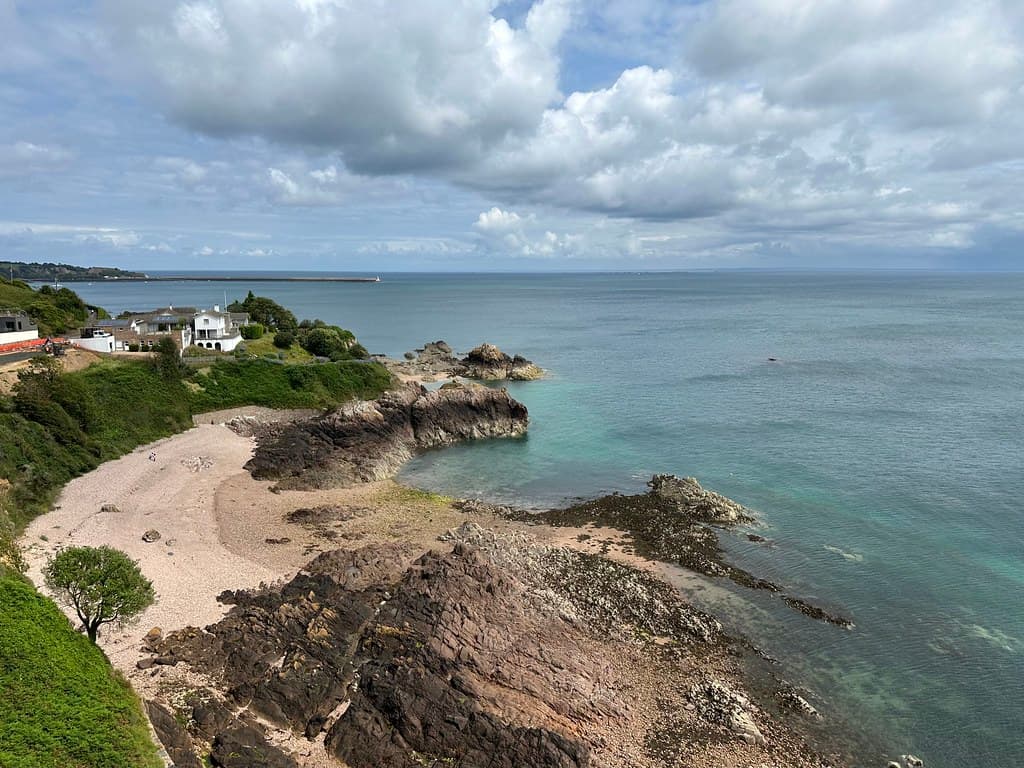
The beach runs for miles in both directions, backed by dunes thick with sea oats that rattle in the perpetual wind. Behind them, a maritime forest shelters the ruins of a 16th-century Spanish mission, and farther inland, descendants of tortoises and lemurs from a former wildlife breeding program still wander the grounds. The surf rolls in with a steady, hypnotic rhythm, flecked with foam and the occasional whelk shell worn smooth as soap.
Spanish colonial archaeology in forest
Follow deer paths through oats
Warm water, gentle summer surf
Where it is
St. Catherines Island Beach
St. Catherines Island, Georgia, USA
31.685200°, -81.144700°
Weather
Loading…
Swell
—
Temp
Warm · Restorative
UV Index
Moderate
Wind
—
Tidal State
Last known
Max Sunlight
—
Ideal Shade
—
May - Sep (Peak)
Jan - Dec (Off-season)
Historical data suggests peak visibility and stable sea temperatures occur during the prime visitation window.
Select a category to load nearby places.
Unlock restaurants, luxury stays and curated maritime experiences within 2km
St. Catherines Island Beach is NOT open to the public. The entire island is privately owned and operated as a research and conservation center by the St. Catherines Island Foundation. Access is restricted to researchers, scientists, and invited guests only. Swimming and general beach access are prohibited without explicit permission. If you're looking for accessible beaches in the area, consider nearby options like Jekyll Island, Sea Island, or Sapelo Island, which offer public beach access.
St. Catherines Island is a private research facility with extremely limited access year-round. The island is not open for tourism, so there is no recommended visiting season for the general public. The Georgia coast typically enjoys mild winters and warm summers, but visiting this specific island requires advance authorization from the St. Catherines Island Foundation, usually granted only for educational or research purposes. Public tours or visits are rarely permitted.
Access to St. Catherines Island is strictly controlled and available only by private boat or authorized ferry. The island has no bridge connection and no public ferry service. Located between Ossabaw Island and Blackbeard Island off Georgia's coast, it's approximately 10 miles from the mainland. Visitors must obtain advance permission from the St. Catherines Island Foundation before attempting any access. Unauthorized landings are prohibited. There are no parking facilities since public access is not permitted.
St. Catherines Island has no public restaurants, hotels, or commercial amenities. The island operates solely as a private wildlife preserve and research station. Limited accommodations exist only for authorized researchers and foundation guests. Visitors seeking coastal Georgia lodging should look to nearby communities like Midway, Sunbury, or the resort islands of Jekyll Island and Sea Island, which offer full tourist amenities including hotels, vacation rentals, and restaurants within 30-45 minutes of the mainland departure points.
St. Catherines Island is renowned for archaeological and conservation significance. The island contains Native American shell rings dating back 4,000 years and was once a Spanish mission site. Today, it's famous as a wildlife preserve hosting endangered species breeding programs, including several non-native animals like lemurs and tortoises. The New York Zoological Society and American Museum of Natural History have conducted extensive research here. Its protected status has preserved pristine maritime forests and undisturbed archaeological sites, making it invaluable for scientific study.