
The passenger ferry from St. Marys docks at Sea Camp, but Little Greyfield Beach lies farther north, beyond the day-tripper radius. You'll trek through maritime forest dense with live oaks draped in Spanish moss, their gnarled branches forming tunnels overhead. When the canopy breaks, you're deposited onto a shoreline that stretches uninterrupted, backed by grass-tufted dunes and the occasional palmetto.
“One of the few Atlantic beaches in the continental U.S. where wild horses still wander the tideline freely.”
 Credit: Flickr
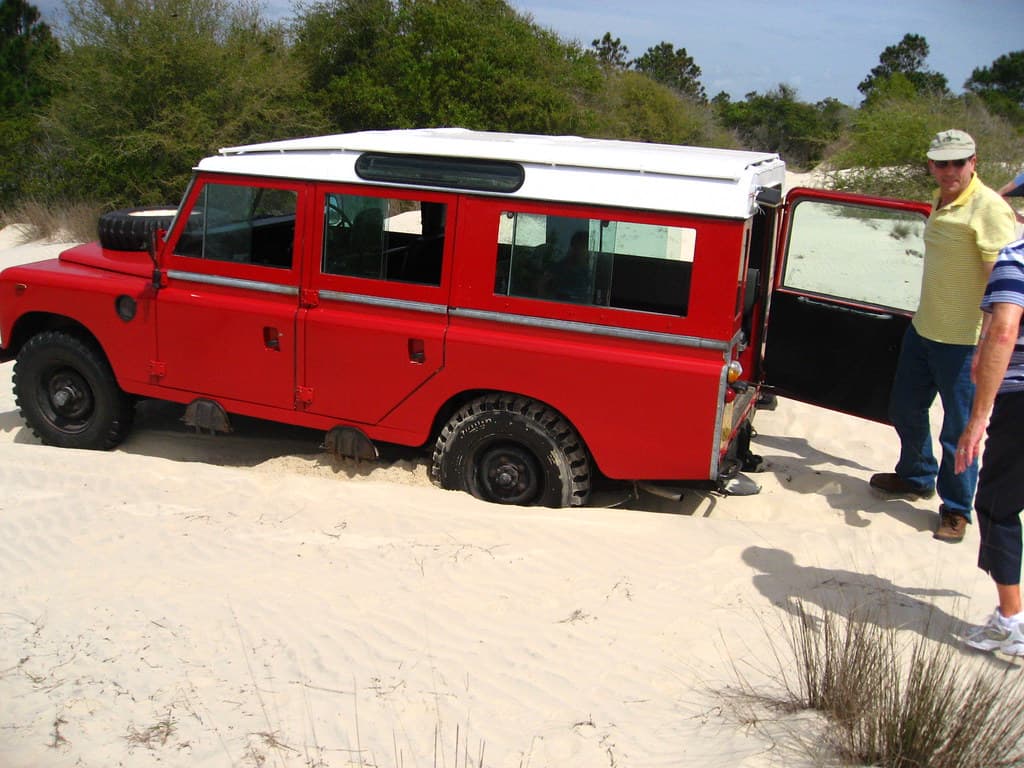
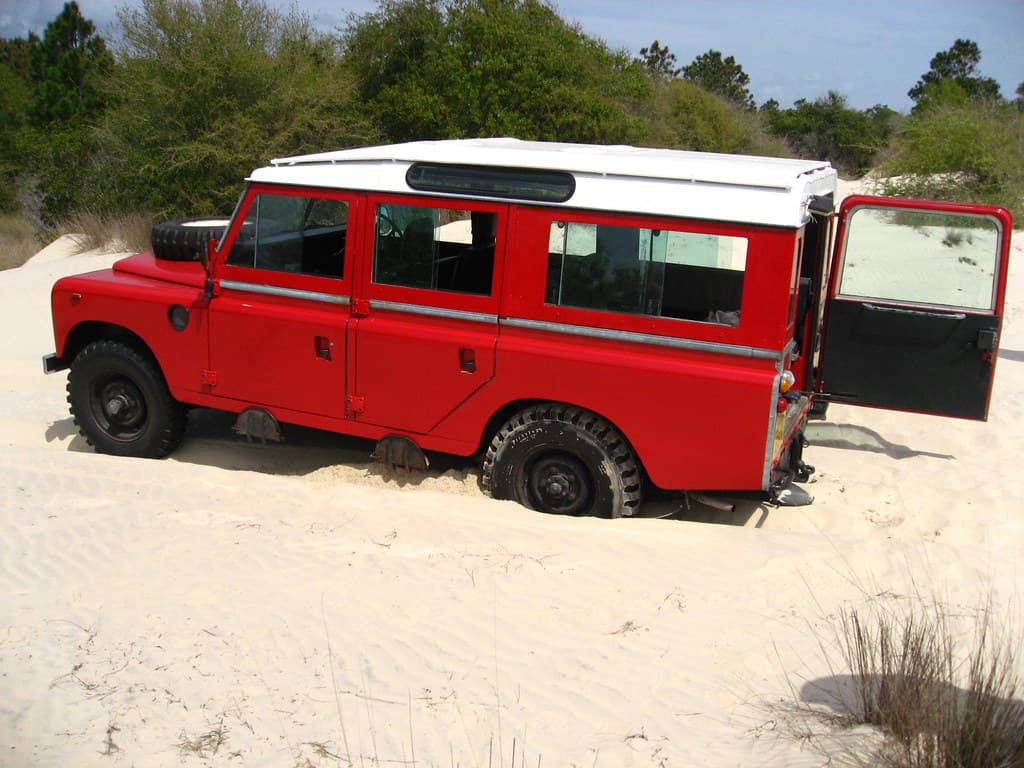
Stuck in the dunes
The beach takes its name from the nearby Greyfield Inn, the Carnegie family's former winter retreat, though you need not be a guest to walk this sand. What you will find: ghost crab burrows pocking the upper beach, whelk egg cases tangled in wrack lines, and the tracks of feral horses that roam the island's 9,800 acres. The Atlantic here is a moody gray-green, its waves modest but persistent.
Timing matters less than temperament. Summer brings heat and biting flies; winter delivers solitude and crisp light that turns the dunes gold at four o'clock. Spring and fall split the difference. Pack out what you pack in—there are no vendors, no lifeguards, no beach chairs for rent. Just you, the gulls, and the understanding that wilderness this close to the mainland is a rare negotiation between land and sea.


