Counting the waves…
Counting the waves…
A refined fusion of water purity, environmental stability, and communal vibrancy for Ke?e Beach.
View MethodologyAnalyzed via live sensors and environmental data.
Wave height, wind, and atmospheric stability.
Live footfall and crowd balance metrics.
Community reviews and curated sentiment.
“You'll wade into waist-deep water off Hanalei Bay's quiet eastern shoulder, mask on, and suddenly find yourself suspended above a living tapestry of cauliflower coral and darting humuhumunukunukuapua'a. The turtles…”
Limited recent visitor reports — live OBI telemetry is your best guide for current conditions.
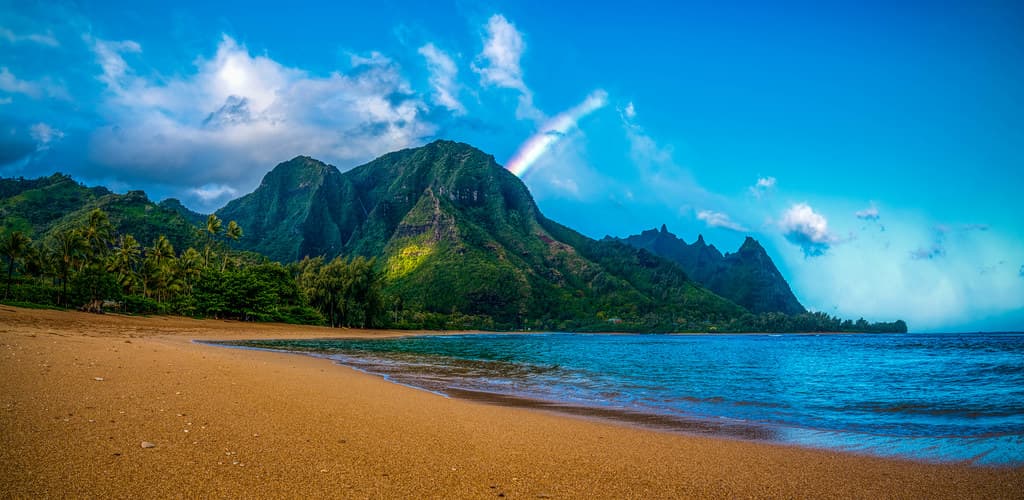
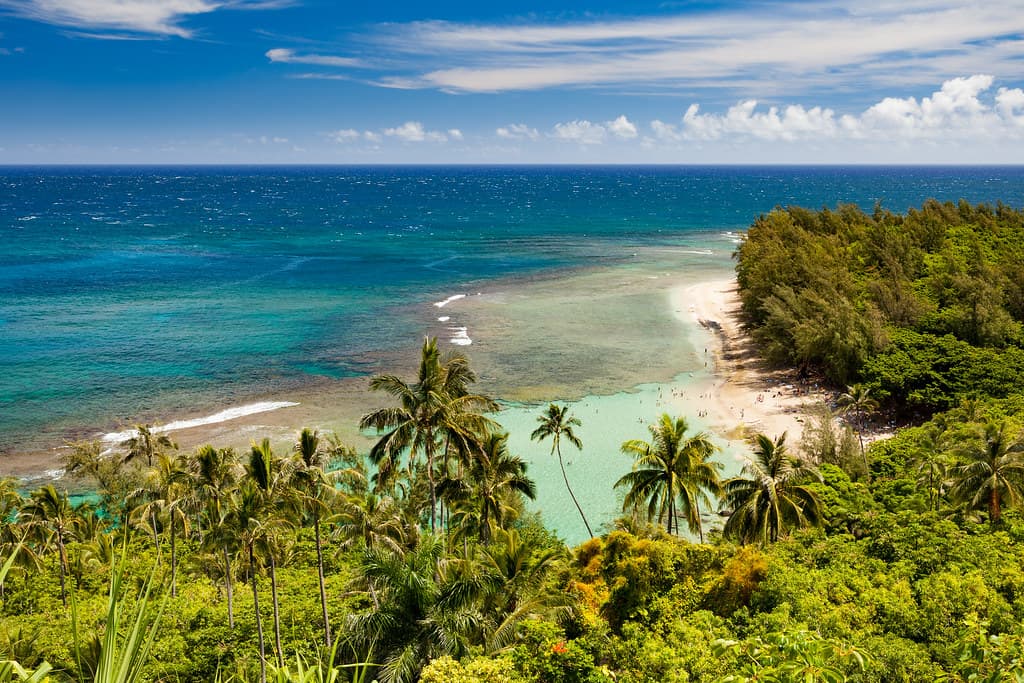
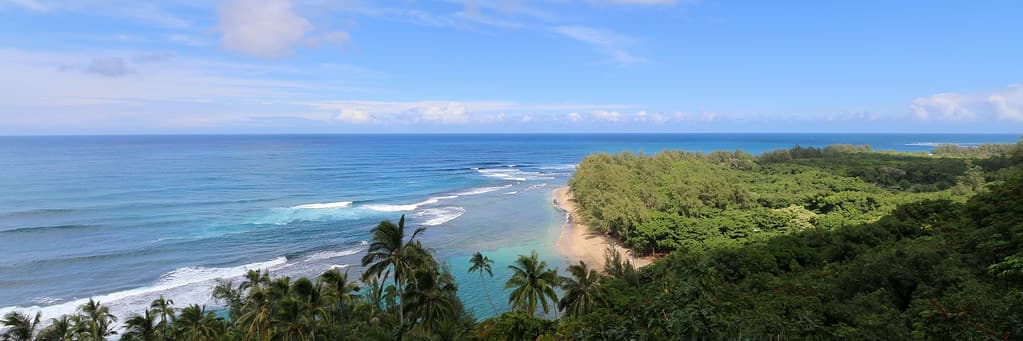
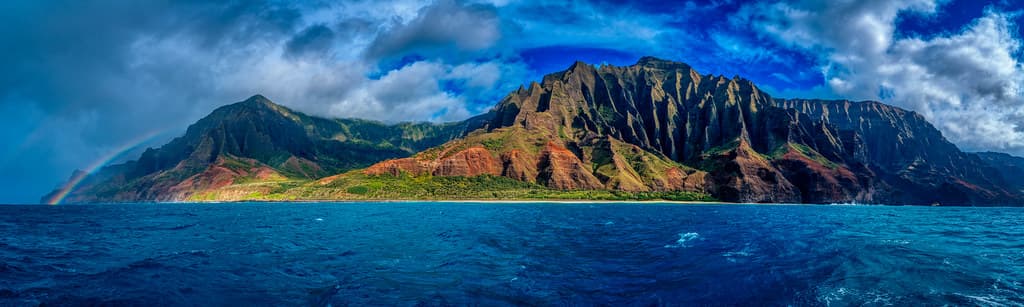
Ke'e sits at the terminus of the Kuhio Highway, where tarmac surrenders to the fluted cliffs of the Nā Pali Coast. You park beneath a canopy of hala trees, cross a low boardwalk over a wetland thick with 'ape'ape, and step onto a crescent of blonde sand tucked against black lava outcrops. The reef begins twenty feet from the tideline, shallow enough that you can stand and adjust your mask between dives.
Slip beneath the surface and the noise of the parking lot dissolves. Schools of butterflyfish pivot in unison; octopuses compress themselves into crevices barely wide enough for a fist. The outer reef drops to fifteen feet, where the water temperature cools by a degree and parrotfish rasp at the coral with beaked mouths. Visibility stretches thirty feet on calm mornings, less when the swell picks up and stirs the sand.
Credit: FlickrReef Drift
Credit: FlickrKalalau Trailhead
Follow turtles along lava ledges
Nā Pali begins steps away
Bali Hai from the sand
Where it is
Ke?e Beach
Hanalei, Hawaii, USA
22.220300°, -159.583500°
Weather
Loading…
Swell
—
Temp
Warm · Restorative
UV Index
Moderate
Wind
—
Tidal State
Last known
Max Sunlight
—
Ideal Shade
—
Jan - Dec (Peak)
May - Nov (Off-season)
Historical data suggests peak visibility and stable sea temperatures occur during the prime visitation window.
Select a category to load nearby places.
Unlock restaurants, luxury stays and curated maritime experiences within 2km
Ke'e Beach offers excellent snorkeling during summer months (May-September) when waters are typically calm. Winter brings dangerous surf, strong currents, and high waves that make swimming unsafe. Always check current conditions before entering the water. The reef on the left side provides the best snorkeling when calm. Be cautious of sharp coral and sea urchins. There are no lifeguards on duty. If you see high surf or murky water, stay on the beach and enjoy the stunning views instead.
Summer (May through September) offers the best conditions with calm, clear waters ideal for snorkeling and swimming. Winter (October-April) brings large swells and rough seas better suited for experienced surfers and beachcombers. Early morning visits year-round provide fewer crowds, better parking availability, and calmer conditions. Sunset at Ke'e Beach is spectacular any season, as it marks the end of the road on Kauai's North Shore with unobstructed westward views along the Na Pali Coast.
Ke'e Beach is located at the end of Highway 560 in Haena State Park. As of recent years, you must obtain an advance parking reservation or entry permit through the Hawaii State Parks system to access the area. Reservations are required and fill quickly, especially during peak season. Book well in advance online. The parking lot accommodates limited vehicles. Alternatively, visitors can use the North Shore Shuttle service. No walk-in access is permitted without proper permits or shuttle tickets.
Ke'e Beach has basic facilities including restrooms and outdoor showers, but no food vendors or restaurants. The nearest dining options are several miles back in Hanalei town, about 30-40 minutes away. Bring your own food, snacks, and plenty of water for the day. A cooler with lunch is recommended. Limited shade is available, so bring umbrellas or sun shelters. The closest accommodations are vacation rentals in Haena and Hanalei. Plan ahead as this remote location requires self-sufficiency.
Yes, Ke'e Beach serves as the trailhead for the famous Kalalau Trail along the Na Pali Coast. The trail begins at the western end of the beach parking area. Day hikers commonly trek the first two miles to Hanakapi'ai Beach, though permits are now required for all trail users. The full 11-mile trail to Kalalau Valley requires overnight camping permits with limited availability. Even if not hiking, you'll see backpackers beginning their journey, adding to the adventurous atmosphere of this iconic beach location.
Photos