

Counting the waves…
Counting the waves…
A refined fusion of water purity, environmental stability, and communal vibrancy for Dixie Maru Beach.
View MethodologyAnalyzed via live sensors and environmental data.
Wave height, wind, and atmospheric stability.
Live footfall and crowd balance metrics.
Community reviews and curated sentiment.
“Dixie Maru Beach spreads along Moloka'i's southern shore where rust-colored soil stains the tideline and offshore reefs stack swells into rideable walls. You'll share the lineup with maybe three locals, hear mynah birds…”
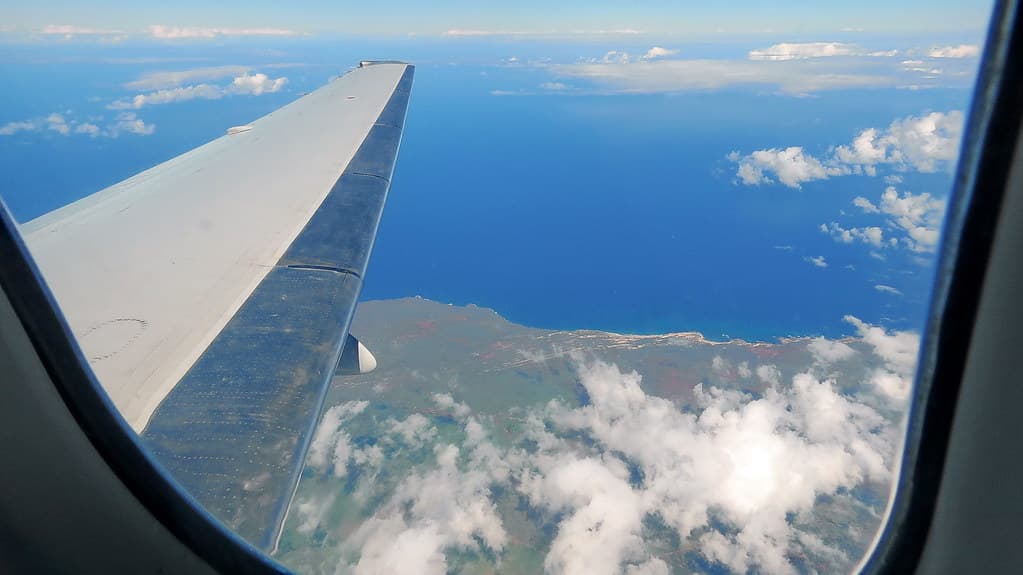
Limited recent visitor reports — live OBI telemetry is your best guide for current conditions.
The drive east from Kaunakakai along Kamehameha V Highway threads past sleeping fishing villages and sun-bleached fences before a dirt pullout signals Dixie Maru. Named for a World War II–era shipwreck whose rusted hull once lay offshore, the beach stretches in a crescent of tan sand studded with driftwood and scattered coral fragments. Ironwood needles carpet the upper beach, and you'll smell their piney resin mixing with brine as you drop your towel in their shade.
This is surf country—the reef breaks here funnel south swells into clean, rolling rights that peel across shallow coral. On calm mornings the water turns jade, but by afternoon the trades kick whitecaps across the channel and you'll watch Maui's silhouette sharpen against the sky. Local fishermen cast from the rocks at dawn, coolers at their feet, while families wade in the shallows where the reef creates natural pools.
Sunset reflecting on wet sand
Person walking on a sand spit
South swells peel over coral
Channel island rises across water
Pine canopy cools midday heat
Where it is
Dixie Maru Beach
Kaunakakai, Hawaii, USA
21.146100°, -157.251300°
Weather
Loading…
Swell
—
Temp
Warm · Restorative
UV Index
Moderate
Wind
—
Tidal State
Last known
Max Sunlight
—
Ideal Shade
—
Jan - Dec (Peak)
May - Nov (Off-season)
Historical data suggests peak visibility and stable sea temperatures occur during the prime visitation window.
Select a category to load nearby places.
Unlock restaurants, luxury stays and curated maritime experiences within 2km
Dixie Maru Beach is primarily known for surfing rather than swimming. Conditions vary throughout the year, with stronger currents and waves during winter months. The reef-protected area can offer calmer waters during summer, but swimmers should exercise caution as the bottom can be rocky and uneven. Always check current conditions before entering the water, and be aware that lifeguards are not typically stationed here. If you're unfamiliar with Hawaiian ocean conditions, consider beaches with more protected swimming areas.
Dixie Maru Beach can be visited year-round, with each season offering different experiences. Winter months (November-March) bring larger swells ideal for experienced surfers, while summer (May-September) typically provides calmer conditions better suited for beginners or casual beachgoers. Molokai's south shore generally enjoys consistent weather throughout the year, with temperatures ranging from 70-85°F. Early mornings often offer the best conditions before trade winds pick up in the afternoon. The beach is less crowded than many Hawaiian destinations, making it pleasant any time of year.
Dixie Maru Beach is located along Kamehameha V Highway (Route 450) east of Kaunakakai town on Molokai's south shore. You'll need a rental car as public transportation is limited on the island. Look for beach access points along the highway—parking is typically informal, with pull-off areas along the roadside near the beach. Space can be limited, so arrive early during peak times. The beach is relatively easy to access from Kaunakakai, making it convenient for day trips while exploring Molokai's southeastern coastline.
Dixie Maru Beach has minimal amenities, reflecting Molokai's undeveloped character. You won't find facilities, restrooms, or vendors directly at the beach, so bring everything you need including water, snacks, and shade. Kaunakakai town, just a few miles west, offers restaurants, grocery stores, and basic services. Accommodation options on Molokai are limited compared to other Hawaiian islands—you'll find condos, vacation rentals, and small hotels primarily in the Kaunakakai area. Pack out all trash as there are no garbage facilities at the beach.
Dixie Maru Beach is favored by local surfers for its reef break that produces consistent waves, particularly during south swells in summer months. The spot works best for intermediate to advanced surfers familiar with reef breaks, as the shallow coral bottom requires skill and awareness. The waves here tend to be less crowded than surf spots on Oahu or Maui, offering a more peaceful surfing experience. Conditions vary significantly with swell direction and tide, so experienced surfers should check local surf reports and observe conditions before paddling out.
Photos