Counting the waves…
Counting the waves…
A refined fusion of water purity, environmental stability, and communal vibrancy for Honolua Bay Beach.
View MethodologyAnalyzed via live sensors and environmental data.
Wave height, wind, and atmospheric stability.
Live footfall and crowd balance metrics.
Community reviews and curated sentiment.
“You'll navigate a dirt parking lot above the cliffs, then descend through ironwood trees to find volcanic rock sheltering a bay where green sea turtles graze on algae and schools of yellowfin goatfish sweep past coral…”
Limited recent visitor reports — live OBI telemetry is your best guide for current conditions.
Honolua Bay occupies a fold in the coastline where ancient lava flows created the perfect natural amphitheater. The bay curves inward like cupped hands, its rocky points absorbing the Pacific's energy and leaving the interior as still as a lagoon. You'll enter from a small clearing where the forest meets the shore—no lifeguard tower, no concession stand, just a narrow opening between boulders that leads into water the color of aged tequila bottle glass.
The snorkeling unfolds in chapters. Stay shallow along the right-hand wall and you'll drift over cauliflower coral where Christmas wrasse flash their neon stripes. Swim farther out and the bottom drops into deeper blue, where white-spotted eagle rays sometimes glide past like bomber planes. The resident honu—Hawaiian green sea turtles—surface near you with the indifference of commuters, their prehistoric heads breaking the surface for air before descending to scrape algae from the rocks.
Aerial view of turquoise tropical bay
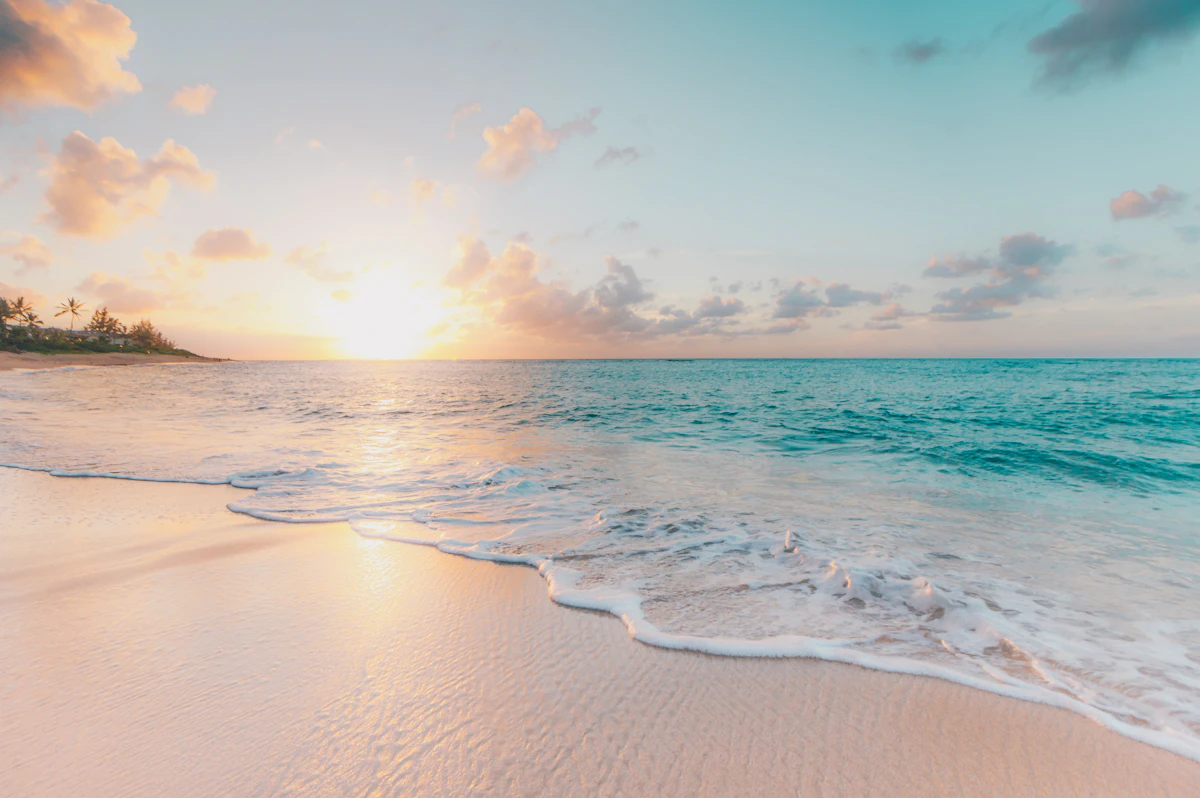
Wide white-sand beach with footprints
Follow the right-side volcanic ledge
Honu graze mornings near shore
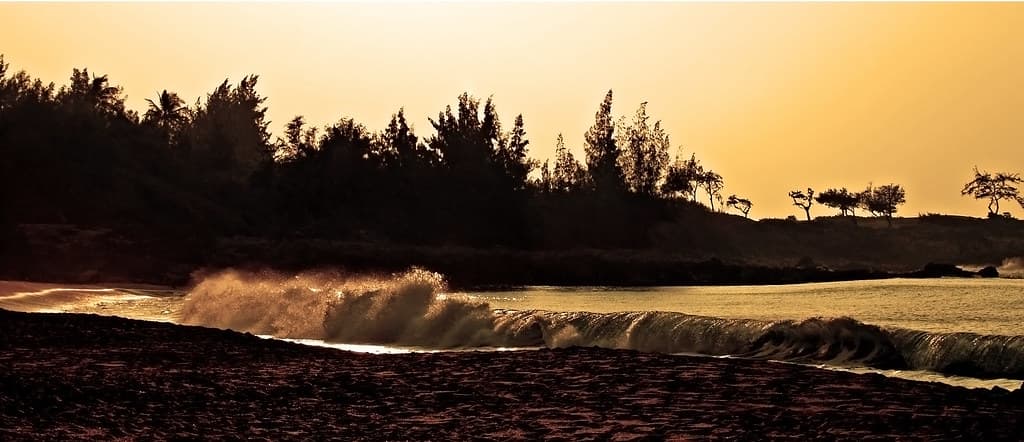
December brings legendary right-hand barrels
Where it is
Honolua Bay Beach
Lahaina, Hawaii, USA
21.013700°, -156.637000°
Weather
Loading…
Swell
—
Temp
Warm · Restorative
UV Index
Moderate
Wind
—
Tidal State
Last known
Max Sunlight
—
Ideal Shade
—
Jan - Dec (Peak)
May - Nov (Off-season)
Historical data suggests peak visibility and stable sea temperatures occur during the prime visitation window.
Select a category to load nearby places.
Unlock restaurants, luxury stays and curated maritime experiences within 2km
Honolua Bay is generally safe for snorkeling during summer months (May-September) when waters are calm. Winter brings large swells that create dangerous conditions and attract experienced surfers rather than swimmers. The bay has no lifeguards, so assess conditions carefully before entering. Rocky entry points require reef-safe footwear. Currents can be strong near the bay's mouth. Morning hours typically offer the calmest, clearest water for snorkeling. Check surf reports before visiting, and avoid the water entirely during high surf warnings or when waves are visible breaking in the bay.
The best time for snorkeling at Honolua Bay is during summer months, May through September, when ocean conditions are calmest. Early morning visits (7-10am) offer the clearest water, best visibility, and fewer crowds. Winter months (November-March) bring large surf that makes snorkeling dangerous but attracts surfers to this renowned break. The bay is accessible year-round, but always check current surf and weather conditions before your visit. Weekdays are less crowded than weekends. Arrive early as the small parking area fills quickly during peak season.
Honolua Bay is located on Maui's northwest shore, about 8 miles north of Kapalua along Highway 30 (Honoapiilani Highway). Look for the small, unmarked dirt parking area on the ocean side between mile markers 32 and 33. The parking lot is small and fills quickly, especially on weekends and during summer. Arrive before 8am for the best chance of finding a spot. From the parking area, follow a short, moderately steep dirt trail through the nature reserve down to the rocky beach, approximately a 5-10 minute walk.
Honolua Bay has no facilities whatsoever—no restrooms, showers, food vendors, or equipment rentals. It's a protected marine conservation area with undeveloped, natural surroundings. Bring all necessary supplies including water, snacks, snorkel gear, and sun protection. The nearest amenities are in Kapalua, about 15 minutes south, where you'll find restaurants, shops, and resort facilities. Pack out all trash as there are no garbage bins. The closest gas stations and grocery stores are in Napili or Kahana. Plan accordingly and bring everything you need for your visit.
Honolua Bay is a Marine Life Conservation District, offering some of Maui's best snorkeling with exceptional coral formations and diverse marine life. The protected bay hosts vibrant reef systems with tropical fish, sea turtles, and occasionally reef sharks and dolphins. The clear waters and underwater topography create excellent visibility during calm conditions. The bay's remote, undeveloped nature preserves its pristine ecosystem, making it feel like a hidden gem despite its popularity among locals. Winter transforms the bay into a world-class surf break, hosting professional competitions and drawing big-wave surfers from around the globe.
Photos