Counting the waves…
Counting the waves…
A refined fusion of water purity, environmental stability, and communal vibrancy for P?leho Beach.
View MethodologyAnalyzed via live sensors and environmental data.
Wave height, wind, and atmospheric stability.
Live footfall and crowd balance metrics.
Community reviews and curated sentiment.
“You'll need an invitation to reach Pāleho Beach on Ni'ihau, where the Robinson family has kept their island private since 1864. The white sand meets turquoise water without a footprint in sight, and the only sounds are…”
Limited recent visitor reports — live OBI telemetry is your best guide for current conditions.
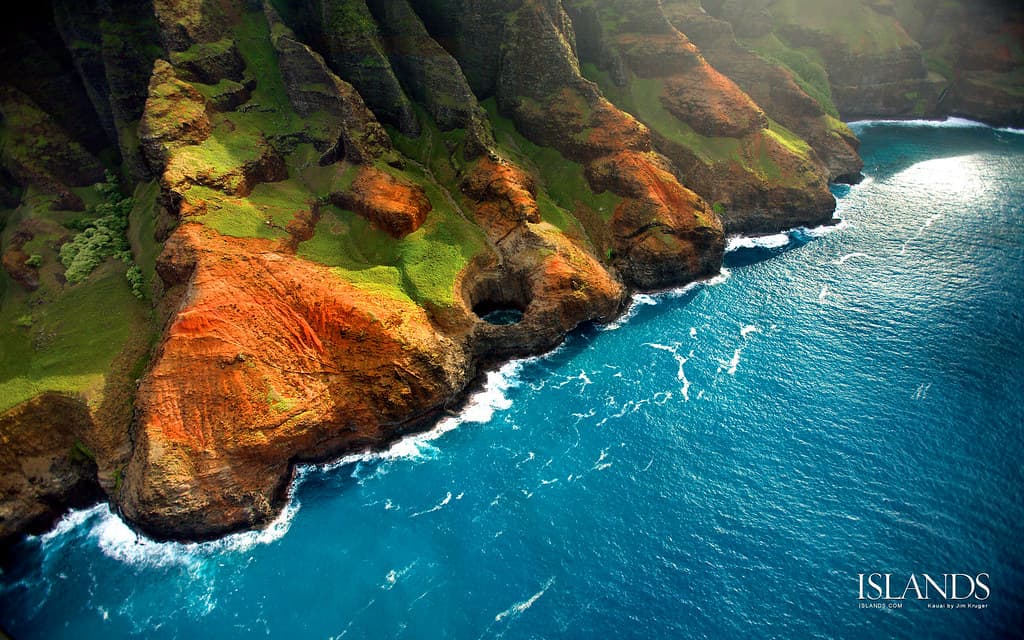
Ni'ihau is closed to uninvited visitors, which means Pāleho Beach exists in a time capsule. The Robinson family permits access only to Native Hawaiian residents and invited guests, preserving a coastline that has never known a beach umbrella rental or a tiki bar. The beach curves along the island's windward side, where trade winds keep the air moving and the water textured with small whitecaps.
The sand here is fine and pale, deposited over centuries without the disturbance of human traffic. Monk seals haul out on the shore to rest, unbothered. Spinner dolphins pass close to the break line. The reef offshore teems with endemic fish that have never associated humans with food—they hold their distance, curious but wary.
Long-tail boats moored in clear water
Crystal lagoon with rocky outcrop
No crowds in your frame
Strong currents near the reef
Keep fifty feet back always
Where it is
P?leho Beach
Ni?ihau (unincorporated), Hawaii, USA
21.900500°, -160.177300°
Weather
Loading…
Swell
—
Temp
Warm · Restorative
UV Index
Moderate
Wind
—
Tidal State
Last known
Max Sunlight
—
Ideal Shade
—
Jan - Dec (Peak)
May - Nov (Off-season)
Historical data suggests peak visibility and stable sea temperatures occur during the prime visitation window.
Select a category to load nearby places.
Unlock restaurants, luxury stays and curated maritime experiences within 2km
Ni'ihau is a privately owned island with extremely limited access to outsiders, making it virtually impossible for typical travelers to visit Pūleho Beach. The island is known as the 'Forbidden Island' and swimming conditions cannot be reliably reported due to access restrictions. If you're among the rare visitors allowed on Ni'ihau, always inquire locally about ocean conditions, as Hawaiian waters can have strong currents, high surf, and other hazards that vary seasonally.
While Hawaii's climate is pleasant year-round, visiting Pūleho Beach on Ni'ihau depends entirely on obtaining permission to access this privately owned island. The island is generally closed to public tourism. The Robinson family, who owns Ni'ihau, maintains strict control over access to preserve the island's native Hawaiian culture and environment. Summer months typically offer calmer ocean conditions throughout Hawaii, but access restrictions make timing largely irrelevant for most travelers.
Pūleho Beach is located on Ni'ihau, Hawaii's 'Forbidden Island,' which is privately owned and almost entirely off-limits to visitors. The only access options are extremely limited helicopter tours that don't guarantee beach landings, or private invitation from the island's owners, the Robinson family. There are no public transportation services, rental cars, or parking facilities. The island's roughly 170 residents travel by foot or basic vehicles on unpaved roads. Standard beach access does not exist here.
Pūleho Beach on Ni'ihau has no tourist facilities, restaurants, or hotels. Ni'ihau is a privately owned island with a small native Hawaiian population living a traditional lifestyle without modern commercial amenities. There are no stores, visitor centers, or public restrooms. The island operates without most modern conveniences that travelers expect. If you're researching beach destinations in Hawaii with amenities, consider nearby Kaua'i instead, which offers full tourism infrastructure and beautiful beaches accessible to all visitors.
Ni'ihau earned the nickname 'Forbidden Island' because it's privately owned by the Robinson family, who purchased it in 1864 and severely restrict outside access to protect native Hawaiian culture and language. The island's residents speak Hawaiian as their primary language and live traditionally. Public beach access doesn't exist. Very limited half-day helicopter tours occasionally operate, focusing on remote areas rather than specific beaches. Most travelers cannot visit Pūleho Beach or any Ni'ihau location without special permission.
Photos