Counting the waves…
Counting the waves…
A refined fusion of water purity, environmental stability, and communal vibrancy for Yokohama Bay.
View MethodologyAnalyzed via live sensors and environmental data.
Wave height, wind, and atmospheric stability.
Live footfall and crowd balance metrics.
Community reviews and curated sentiment.
“You'll drive past chain-link fences and modest homes before the pavement ends at a sliver of beige sand where locals launch canoes and kids leap from moss-covered rocks. The water here stays flat even when swells pound…”
Limited recent visitor reports — live OBI telemetry is your best guide for current conditions.
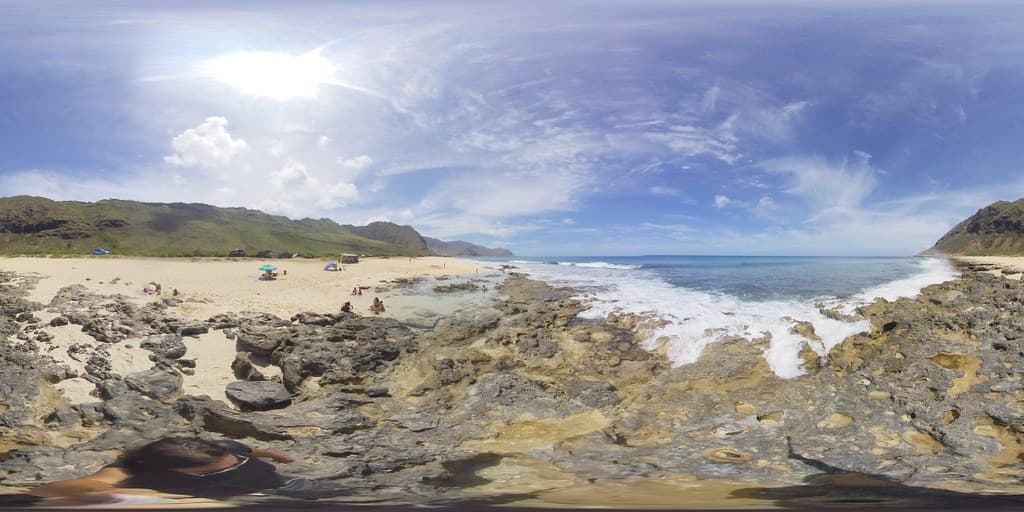
Yokohama Bay sits at the end of Farrington Highway where the asphalt peters out and the Kaʻena Point trail begins. Most visitors blow past Waianae en route to the North Shore, which keeps this scallop of coastline blissfully uncrowded. You'll park in a rutted dirt lot beside fishermen checking throw nets and families unloading coolers for all-day gatherings beneath ironwood trees that sigh in the trade winds.
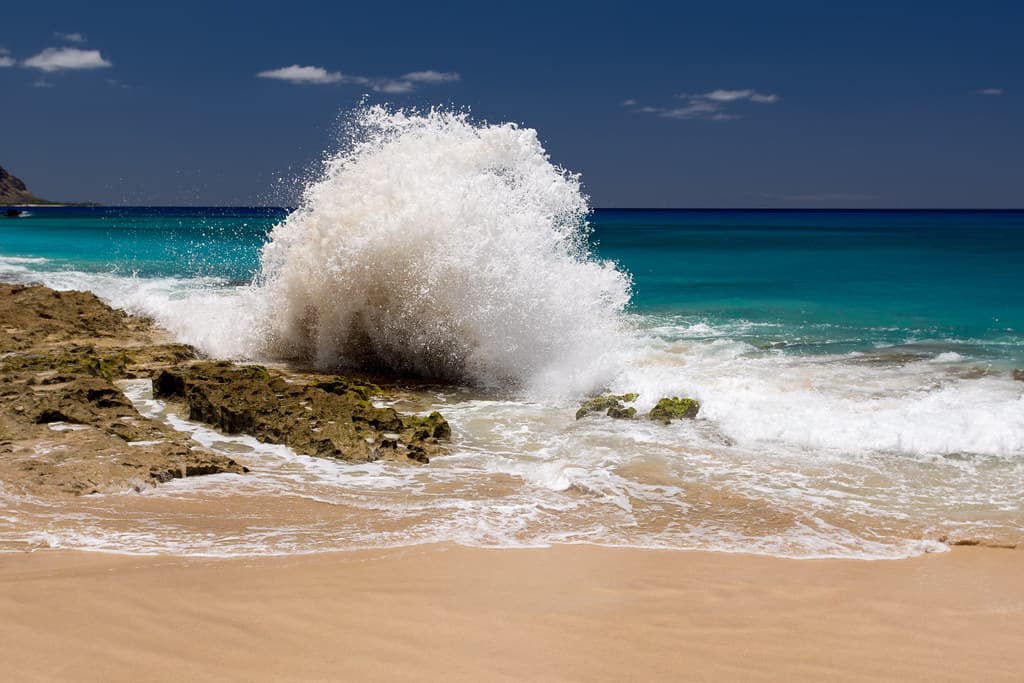
The reef here hugs close to shore, creating a protected lagoon where the water hovers waist-deep for fifty yards. Waves break far out on the reef's outer edge, leaving the inner bay glassy and safe for floating. The sand underfoot feels coarse, mixed with fragments of coral and shell. In the shallows, sergeant majors dart between your legs while convict tangs nibble at submerged rocks slick with algae.
Credit: FlickrReef-Calm Floating
Credit: FlickrShallow Reef Browsing
Waist-deep lagoon, no undertow
Tangs and wrasses near shore
Two-mile coastal walk begins here
Where it is
Yokohama Bay
Waianae, Hawaii, USA
21.561800°, -158.242500°
Weather
Loading…
Swell
—
Temp
Warm · Restorative
UV Index
Moderate
Wind
—
Tidal State
Last known
Max Sunlight
—
Ideal Shade
—
Jan - Dec (Peak)
May - Nov (Off-season)
Historical data suggests peak visibility and stable sea temperatures occur during the prime visitation window.
Select a category to load nearby places.
Unlock restaurants, luxury stays and curated maritime experiences within 2km
Swimming conditions at Yokohama Bay vary significantly by season. Summer months (May-September) typically offer calmer waters suitable for swimming and snorkeling. Winter brings powerful waves, strong currents, and dangerous shore breaks that make swimming hazardous, even for experienced ocean swimmers. There are no lifeguards on duty, so you must assess conditions yourself. The beach's remote location means help is far away in emergencies. Always check surf reports before visiting, stay close to shore, and avoid the water entirely during high surf warnings.
Summer (May through September) is ideal for visiting Yokohama Bay, offering calm seas perfect for swimming and snorkeling. Winter months bring massive surf that attracts experienced surfers but makes the beach dangerous for most visitors. Arrive early morning for the best experience, as the beach can get crowded on weekends despite its remote location. Weekdays are quieter. The bay faces west, making it spectacular for sunset viewing year-round. Weather is generally warm and dry, though Waianae's leeward coast receives less rain than other parts of Oahu.
Yokohama Bay is located at the end of Farrington Highway on Oahu's western shore, about 40 miles from Waikiki (1.5-2 hours). Drive north through Waianae and continue until the paved road ends at Kaena Point State Park. Free parking is available in a dirt lot, but spaces fill quickly on weekends and holidays. The drive requires attention as the road narrows considerably near the end. Rental car companies sometimes restrict driving in this area, so check your agreement. No public transportation serves this remote location.
Yokohama Bay has very limited amenities. Portable toilets are available in the parking area, but there's no running water, showers, or food concessions. The nearest stores, restaurants, and gas stations are back in Waianae, about 15-20 minutes away. Bring all supplies including plenty of drinking water, snacks, sunscreen, and shade equipment as there are few trees. Pack out all trash. The remote location means no nearby lodging; most visitors stay in Ko Olina, Waianae, or elsewhere on Oahu and make this a day trip.
Yokohama Bay remains relatively uncrowded due to its remote location at the end of the road on Oahu's leeward coast, far from tourist centers. Unlike commercialized beaches, it offers an undeveloped, wild Hawaii experience with dramatic mountain backdrops and pristine sand. The bay is the last accessible beach before Kaena Point's rugged coastline. Its seclusion attracts those seeking solitude and natural beauty. The area's authentic local atmosphere and lack of development make it feel worlds away from Waikiki, offering glimpses of old Hawaii that few tourists experience.
Photos