
The name comes from the days when donkeys hauled sugarcane across these cliffs, though you're far more likely to spot wild chickens now. You park along the highway near mile marker 11, duck through a break in the vegetation, and follow a red-dirt path that winds for roughly ten minutes through low scrub. The trail emerges onto a beach that feels like a private discovery—800 yards of sand backed by grassy bluffs, with Nounou Mountain rising green and jagged inland.
“One of Kaua'i's last undeveloped beaches, still wild enough that monk seals choose it as a resting ground.”
 Credit: Flickr
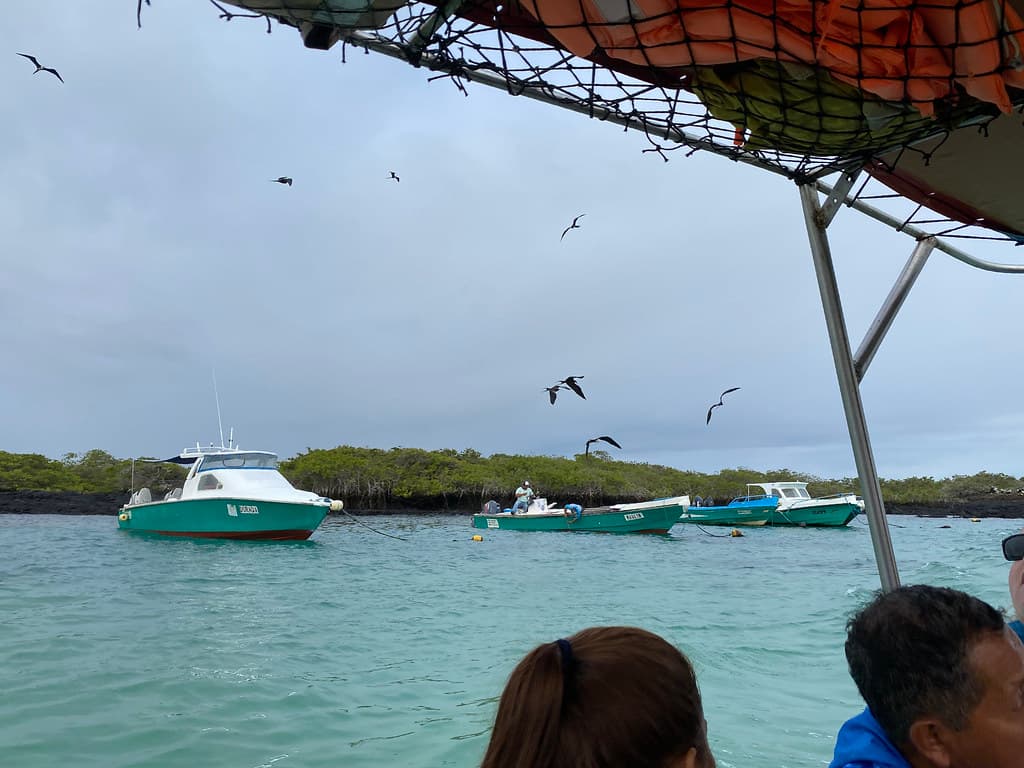
Puerto Villamil, Isla Isabela (Albemarle), the Galápagos Islands, Ecuador.
Body-surfable shore break rolls in year-round, though winter swells can turn the water rough and murky. The eastern end offers calmer pockets when trade winds cooperate. There's no shade, no showers, no vendors—pack everything in, pack everything out. Mornings bring the best light and the fewest beachgoers; by afternoon, the wind picks up and kite surfers appear on the horizon.
Monk seals haul out here to rest, so give them wide berth—federal law requires fifty feet of distance. You'll share the sand with a handful of locals, the occasional trail runner, and bodysurfers who know the reef breaks offshore. Bring reef-safe sunscreen, plenty of water, and a healthy respect for the ocean's power. This isn't a beach that coddles; it rewards those who come prepared.


