
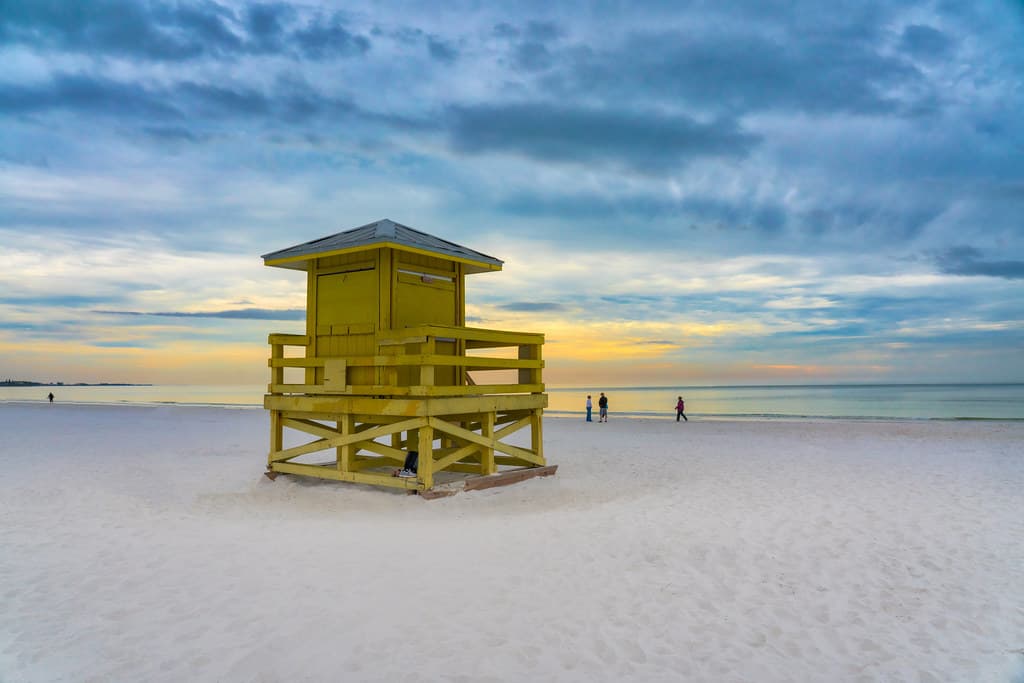
Little Florida Beach sits along the Creole Nature Trail All-American Road, one of several named public access points where Southwest Louisiana's coastal prairie dissolves into the Gulf of Mexico. You'll drive directly onto firm sand, park facing the water, and step out into wind that tastes of brine and crude oil refineries twenty miles east. This is working coastline—no boardwalks, no lifeguard stands, just open beach backed by cordgrass and the occasional fishing shack weathered silver by hurricanes.
“One of the few Gulf beaches where you can drive directly onto the sand and fish, photograph, and swim without encountering a single commercial structure.”
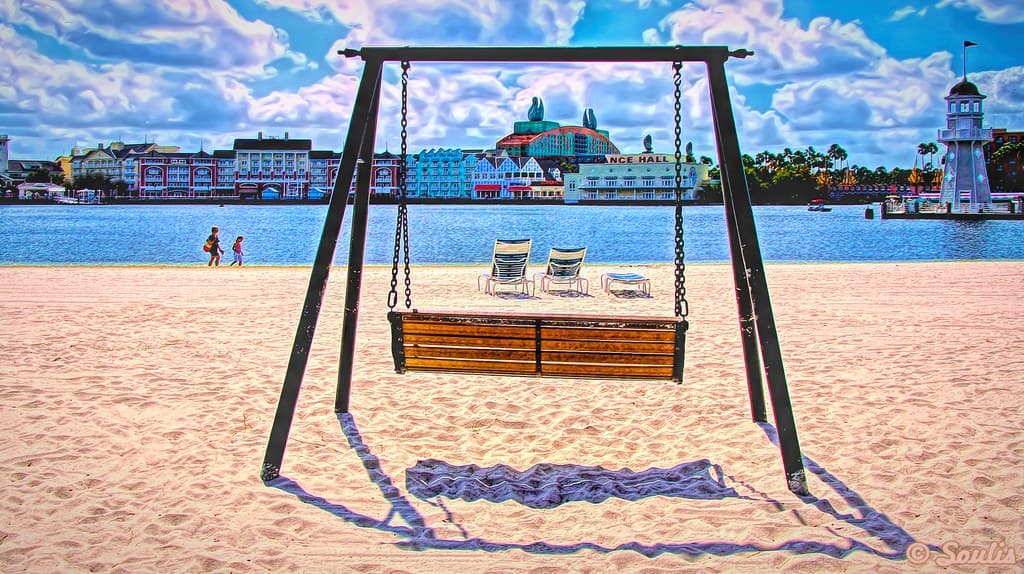 Credit: Flickr
Soulis: On the Little Sandy Beach
The sand here runs tan to gray, compacted enough for vehicles but soft where wavelets collapse in rhythmic sighs. Brown pelicans cruise the surf line in formation; laughing gulls wheel overhead. The water itself carries sediment from the Sabine and Calcasieu rivers, rendering it taupe rather than turquoise, rich with nutrients that draw redfish and speckled trout within casting distance. Shrimpers' trawlers trace the horizon at dawn.
Sunset transforms this beach from humble to transcendent. The western sky ignites in layers—coral, persimmon, violet—reflected in tidal pools and wet sand that becomes a mirror. You'll watch the sun sink toward the invisible Texas shore, the refinery flares twinkling to life like industrial constellations, and understand why locals guard this spot quietly. It's not postcard Louisiana. It's real Louisiana, salt-scoured and beautiful precisely because it refuses to perform.


