

Grand Isle sits at the southern terminus of Louisiana Highway 1, a narrow ribbon of asphalt that threads through marsh and bayou for an hour south of New Orleans. You'll arrive at a beach shaped more by hurricanes and oil rigs than resort developers—this is Louisiana's only inhabited barrier island, where multigenerational fishing families outnumber tourists and the Gulf washes ashore in gentle, murky waves the color of sweet tea. The sand spreads wide and firm at low tide, perfect for small children to chase ghost crabs while brown pelicans dive-bomb baitfish a few yards from shore.
“It's the only place where Cajun fishing culture meets Gulf sand, where you'll overhear French patois at the bait shop before your toes touch saltwater.”
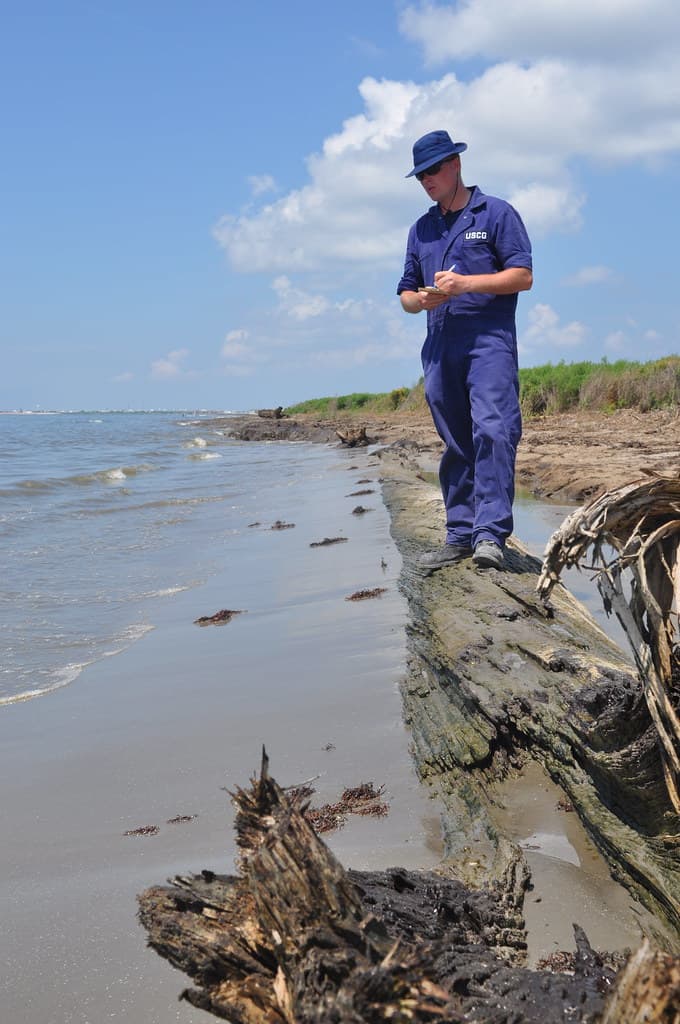 Credit: Flickr
Shoreline Assessment Team Jefferson Parish, La.
The island's appeal lies in its unvarnished Cajun character. Bait shops double as grocers, RV parks sprawl beneath gnarled live oaks, and roadside stands sell still-wriggling blue crabs by the dozen. You'll see more coolers than beach umbrellas, more tackle boxes than designer sunglasses. The state park on the eastern end offers bathhouses and paved parking, while the unmanicured western stretches let you park directly on packed sand near the tideline.
Timing matters less than tide tables here—locals check the latter before planning picnics. Summer brings warm, bathable water and afternoon thunderheads that build over the marsh. Spring and fall deliver milder air and the best birdwatching, when migrants funnel through this critical stopover. Winter sees few swimmers but plenty of surf-casters bundled in fleece, rods propped in PVC holders, waiting for redfish to strike.


