
Counting the waves…
Counting the waves…
A refined fusion of water purity, environmental stability, and communal vibrancy for Pass-a-Loutre Beach.
View MethodologyAnalyzed via live sensors and environmental data.
Wave height, wind, and atmospheric stability.
Live footfall and crowd balance metrics.
Community reviews and curated sentiment.
“You'll smell the brackish marsh long before you see the narrow sand fringe where America's greatest river meets salt water. Pass-a-Loutre sits at the ragged edge of Louisiana, accessible only by boat, where brown…”
Limited recent visitor reports — live OBI telemetry is your best guide for current conditions.
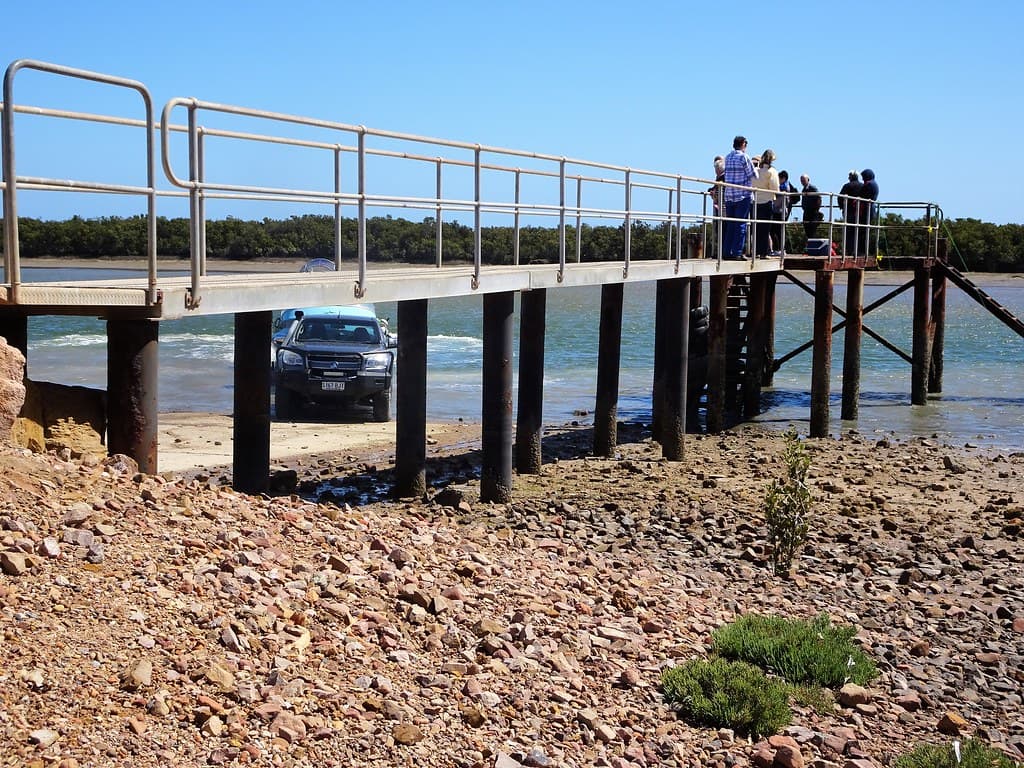
Pass-a-Loutre Beach occupies a strange, shifting geography at the terminus of the Mississippi Delta, where sediment-rich freshwater collides with the Gulf in a constantly redrawn boundary. You won't find beach umbrellas or lifeguard towers here—just a wild, narrow band of sand hemmed by cordgrass and the skeletal remains of cypress stumps that tell the story of Louisiana's vanishing coastline. The water runs opaque with river silt, staining your ankles the color of coffee with milk.
Reaching this beach requires hiring a boat captain from Venice, the self-proclaimed "Fishing Capital of the World," where the road quite literally ends. The twenty-minute ride south threads through a maze of channels, past oil platforms and fishing camps on stilts, until the marsh opens to reveal the Gulf. Oystercatchers and roseate spoonbills patrol the wrack line, and if you're quiet, you might spot a river otter threading through the shallows.
Peak shorebird activity at dawn
Explore narrow bayous and marshes
Redfish thick in river passes
Where it is
Pass-a-Loutre Beach
Venice, Louisiana, USA
28.980000°, -89.040000°
Weather
Loading…
Swell
—
Temp
Warm · Restorative
UV Index
Moderate
Wind
—
Tidal State
Last known
Max Sunlight
—
Ideal Shade
—
May - Sep (Peak)
Jan - Dec (Off-season)
Historical data suggests peak visibility and stable sea temperatures occur during the prime visitation window.
Select a category to load nearby places.
Unlock restaurants, luxury stays and curated maritime experiences within 2km
Swimming at Pass-a-Loutre Beach requires caution due to strong currents, unpredictable weather, and the beach's remote location at the Mississippi River delta. The waters can be murky with limited visibility, and there are no lifeguards on duty. Strong tides and boat traffic from the shipping channel pose additional risks. Many visitors prefer wading or beachcombing rather than swimming. Always check weather conditions before visiting, bring a first aid kit, and never swim alone in this isolated area.
Pass-a-Loutre Beach can be visited year-round, but spring (March-May) and fall (September-November) offer the most comfortable conditions with mild temperatures and lower humidity. Summer brings intense heat and afternoon thunderstorms, while winter can be surprisingly cool with strong winds. Hurricane season runs June through November, requiring careful weather monitoring. Early morning visits are ideal for wildlife watching and avoiding midday heat. Always check local forecasts before heading out, as conditions can change rapidly in this coastal delta environment.
Pass-a-Loutre Beach is only accessible by boat, making it one of Louisiana's most remote beaches. You'll need to launch from Venice Marina or other local boat launches in Venice, then navigate approximately 10-15 miles through coastal waters and marshes. The journey requires knowledge of local waterways or hiring a fishing charter guide. There's no traditional parking at the beach itself, but you can secure your boat on the sand or anchor nearby. Venice has public and private boat launches with parking facilities.
Pass-a-Loutre Beach has no facilities whatsoever—no restrooms, shade, freshwater, or services. You must bring all supplies, including water, food, sunscreen, and waste bags. The nearest amenities are in Venice, about 10-15 miles away by boat, where you'll find seafood restaurants, convenience stores, and fishing lodges. Venice offers limited hotel options and fishing camps for overnight stays. Plan to be completely self-sufficient during your beach visit, and pack out all trash to preserve this pristine environment.
Yes, Pass-a-Loutre Beach is renowned for its extraordinary collection of driftwood, weathered logs, and debris carried down the Mississippi River from across North America. The beach accumulates massive tree trunks, creating a dramatic, sculptural landscape unique to this delta location. Beachcombers often find interesting wood pieces, though removing driftwood may be regulated. The constantly changing debris field makes each visit different, as tides and river flow reshape the beach. This ever-evolving natural art installation is a photographer's paradise and main attraction.