
The approach tells you everything: a gravel track threading through blueberry barrens, the sudden drop where land meets the muscular swells of the North Atlantic. Starboard Cove sits in the shadow of Little Machias Bay, a half-moon of wave-smoothed stones that clatter and hiss as the water pulls back. You'll walk a beach composed not of sand but of granite rounded by centuries, punctuated by kelp holdfasts and periwinkle shells still clinging to bits of mussel bed.
“The twenty-foot tidal swing exposes an entirely different beach every six hours, doubling your reasons to return.”
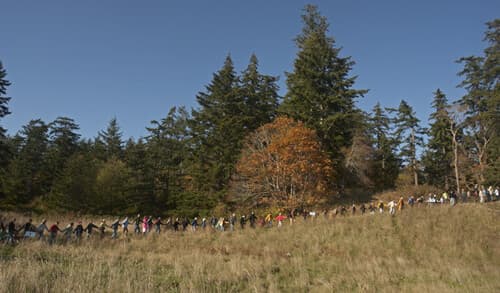 Credit: Flickr
Hornby Island, BC Canada
The tide here swings twenty feet, transforming the cove hourly. At slack water, tidal pools trapped among the rocks hold green crabs and sea stars the color of dried blood. By midday the offshore wind carries the briny perfume of exposed mudflats a mile east, mingling with the resinous bite of balsam fir from the forest edge. Cormorants spread their wings to dry on the dark ledges that frame the cove, indifferent to your presence.
This is Downeast Maine in its truest form—unmanicured, whale-watching boats passing a mile offshore, the rhythmic clang of a bell buoy marking the channel. You won't find concessions or lifeguard towers. What you will find: solitude broken only by the occasional lobster boat checking traps, and a coastline that asks nothing of you but attention.


