
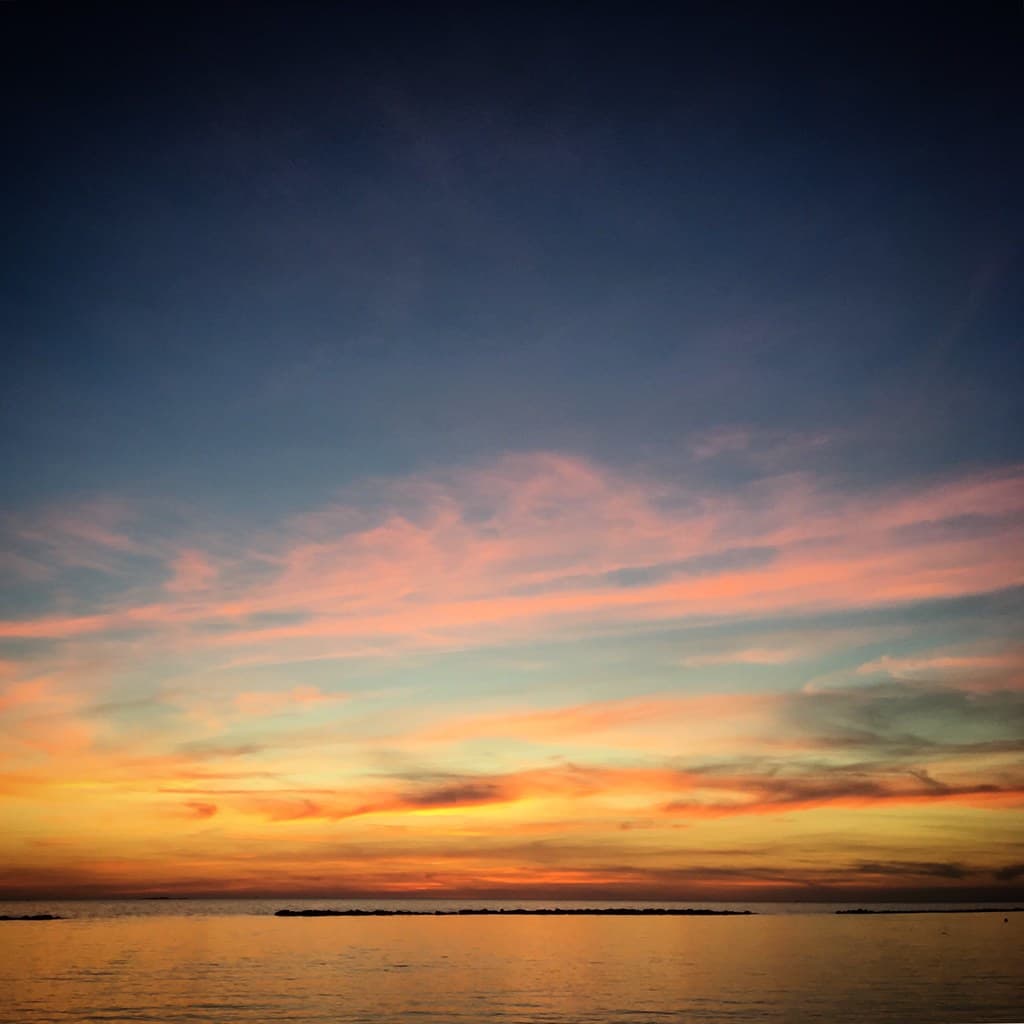
Rock Hall Beach sits on a working harbor where fishing boats unload their catch before you've finished your morning coffee. The narrow public beach—more pebble than sand in places—curves along the protected waters of Swan Creek and the broader Chesapeake Bay, framed by wooden piers and the masts of sailboats swaying in their slips. You won't find tiki bars or volleyball nets here; instead, there are weathered benches facing the water and a gazebo where locals gather to watch ospreys dive for menhaden.
“One of the few Chesapeake Bay beaches where commercial watermen still work the shallows you wade in.”
 Credit: Flickr
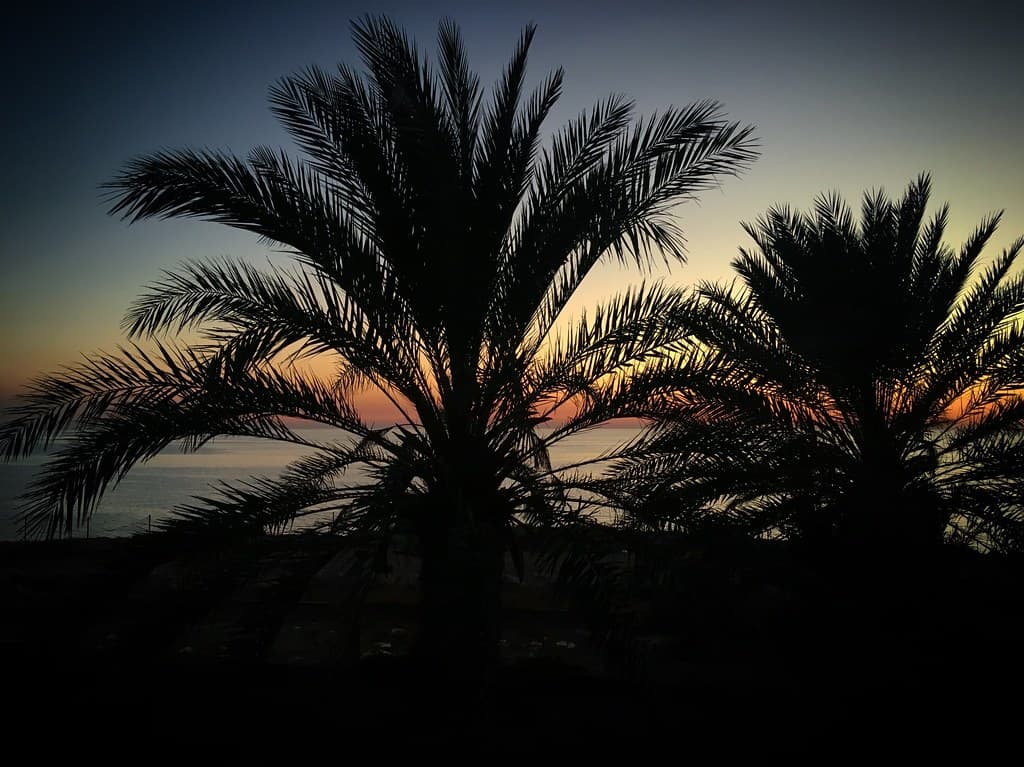
Palm trees at sunset in Paphos, Cyprus, November 2018
The beach serves as a front porch to the town's maritime DNA. Watermen still harvest blue crabs from these shallows using methods passed down through generations, and the public launching ramp hums with activity as anglers and kayakers push off at dawn. The shallow, brackish water warms quickly in summer, ideal for wading but less appealing for serious swimming—most visitors come for the boats, the birds, and the unobstructed views across the bay toward the western shore.
What keeps people returning isn't dramatic scenery but the rhythm of a place still tethered to the water's economy. Charter captains offer rockfish expeditions, the nearby marinas rent kayaks by the hour, and come September, the town's OysterFest transforms the waterfront into a celebration of aquaculture. Rock Hall Beach rewards those who appreciate function over flash, where the best souvenir is still a dozen steamed crabs eaten at a picnic table as the sun sinks low.


