
The ferry from Long Wharf deposits you at a floating dock where herring gulls wheel overhead and the smell of salt marsh mud mingles with diesel exhaust from passing tugs. You climb a gentle grade past interpretive signs chronicling the island's transformation from municipal trash heap to public greenspace, the kind of redemption story Boston does best. The beach itself stretches along the northern shore—a narrow band of sand and smooth stones where horseshoe crabs leave drag marks at low tide.
“A former landfill transformed into rare urban wilderness, where you can swim within sight of downtown skyscrapers.”
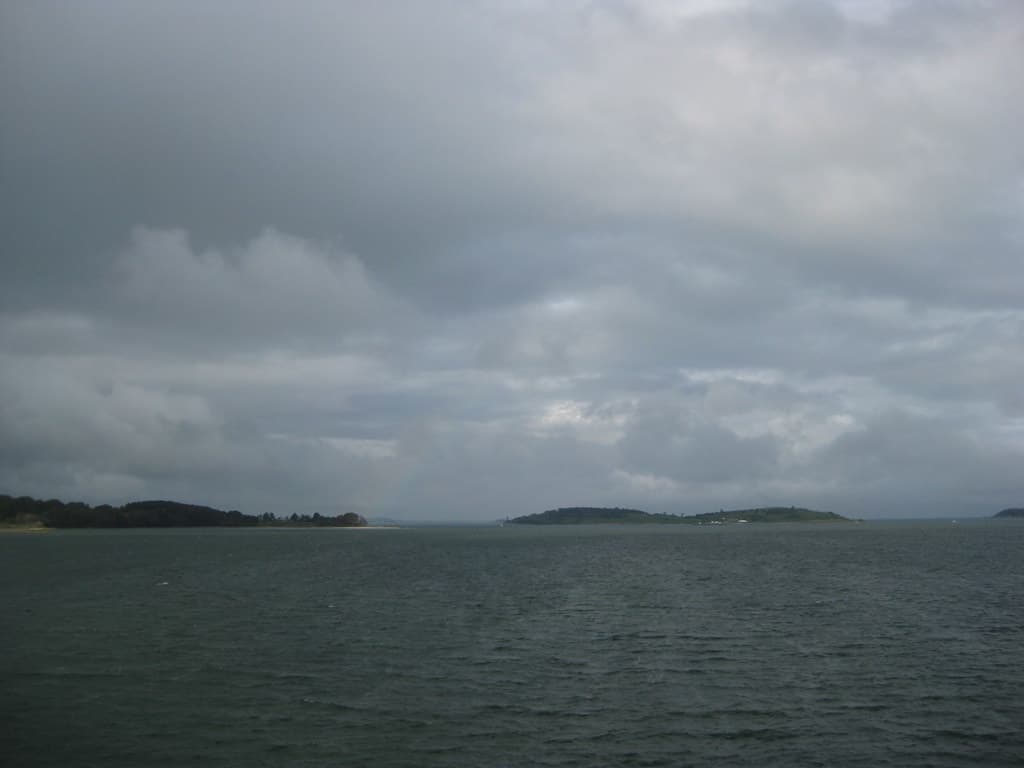 Credit: Flickr
Thompson Island and Spectacle Island
Above the waterline, five miles of trails wind through rugosa rose thickets and across two grassy summits that reach 157 feet, high enough to frame the Custom House Tower and Prudential Center against cobalt water. On weekday afternoons you might share the beach with a handful of hikers cooling their feet, or find it entirely yours between morning and evening ferry runs. The water stays brisk even in July, typically hovering in the mid-sixties, and the shore drops off gradually over glacial till.
Pack everything in and out—there's a seasonal snack bar near the visitor center, but no restaurants, no shops, no overnight lodging. Just drumlin topography sculpted twelve thousand years ago, now planted with native grasses and left to the terns. By late afternoon, when the slanting light turns the Boston skyline bronze and the outbound ferry sounds its horn, you'll understand why locals guard their summer ferry schedules like insider knowledge.


