
You'll arrive to find the waterline precisely where the tide chart promised—perhaps at your feet, perhaps a twenty-minute walk across ribbed sand that records every gull's footprint. This is Cape Cod Bay's signature performance: the difference between high and low tide can exceed ten feet, transforming Breakwater from a conventional beach into an exposed seabed where periwinkles cling to rocks and minnows dart through warm shallows.
“Few beaches offer such dramatic tidal swings, creating an entirely different landscape—and activity—every six hours.”
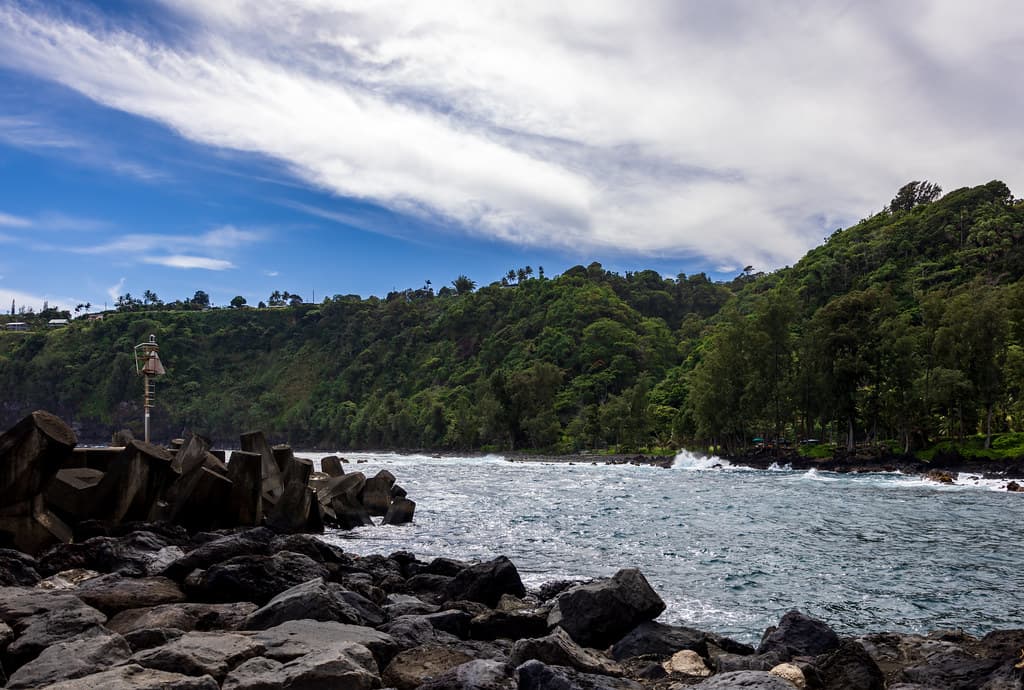 Credit: Flickr
Breaking Waves and Breakwaters
The gentle slope means even when the water returns, waves barely qualify as ripples—crucial for parents watching toddlers wade without worry. No rip currents, no sudden drop-offs, just a gradual descent into bath-temperature water by July. Pack sand toys, but also small nets and buckets: the real entertainment lies in tidal exploration, not castle architecture.
The beach takes its name from the stone breakwater extending into the bay, built in the 1800s to protect Brewster's oyster beds. Now it serves as a landmark when you're walking the flats, a reassuring guide back to your towel when you've wandered farther than intended. Arrive two hours before low tide to watch the transformation; consult the posted tide chart like scripture. The bay keeps its own schedule, and you'll want to keep yours synchronized.


