
You'll drive past colonial homes and rose-covered fences before the pavement ends at a small parking area that fits maybe fifteen cars. The beach itself is barely an acre—a crescent of coarse sand hemmed by house-sized granite slabs worn smooth by centuries of nor'easters. But what it lacks in size it returns in safety: the cove's protected position means the surf never builds past ankle-slappers, even when September storms churn the open Atlantic a half-mile east.
“The granite-sheltered cove keeps water shallow and calm enough for preschoolers to wade independently while parents relax ten feet away.”
 Credit: Flickr
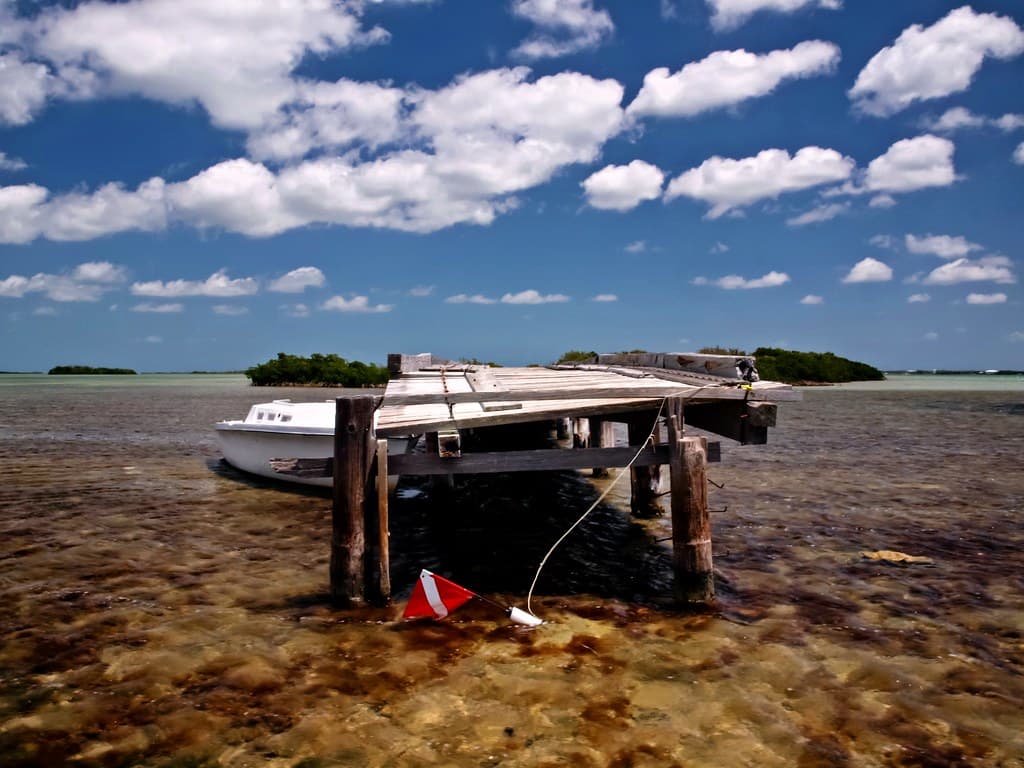
Waiting on the Tide at Niles Channel
Toddlers crouch in the shallows poking at periwinkles while older siblings balance on the kelp-slicked rocks, hunting for green crabs. You'll spread your towel on sand mixed with crushed shells and watch lobster boats chug past the lighthouse, their diesel engines audible across the flat water. The beach faces southeast, so morning light turns the waves silver, and by afternoon the rocks provide natural shade.
There are no facilities—no snack bar, no lifeguard tower, no volleyball net. You carry in what you need and carry out what you brought. Local families claim their spots by 9 a.m. on summer weekends, coolers packed with sandwiches and thermoses of lemonade. By 4 p.m. the beach empties, leaving only the tide pools and the rhythmic clang of the bell buoy offshore.


